





Iran Displays Military Might in Strategic Persian Gulf Exercises
In a powerful demonstration of its military capabilities, Iran’s Revolutionary Guards Navy conducted extensive drills near the Strait of Hormuz and Gulf of Oman this week. The exercises, which began on Thursday and culminated in a massive missile launch on Friday, represent Iran’s second major naval drill since the brief but deadly Israel-Iran conflict in June. These military maneuvers highlight the growing tensions in one of the world’s most strategically significant maritime regions, where approximately one-fifth of global oil trade passes through the narrow Strait of Hormuz.
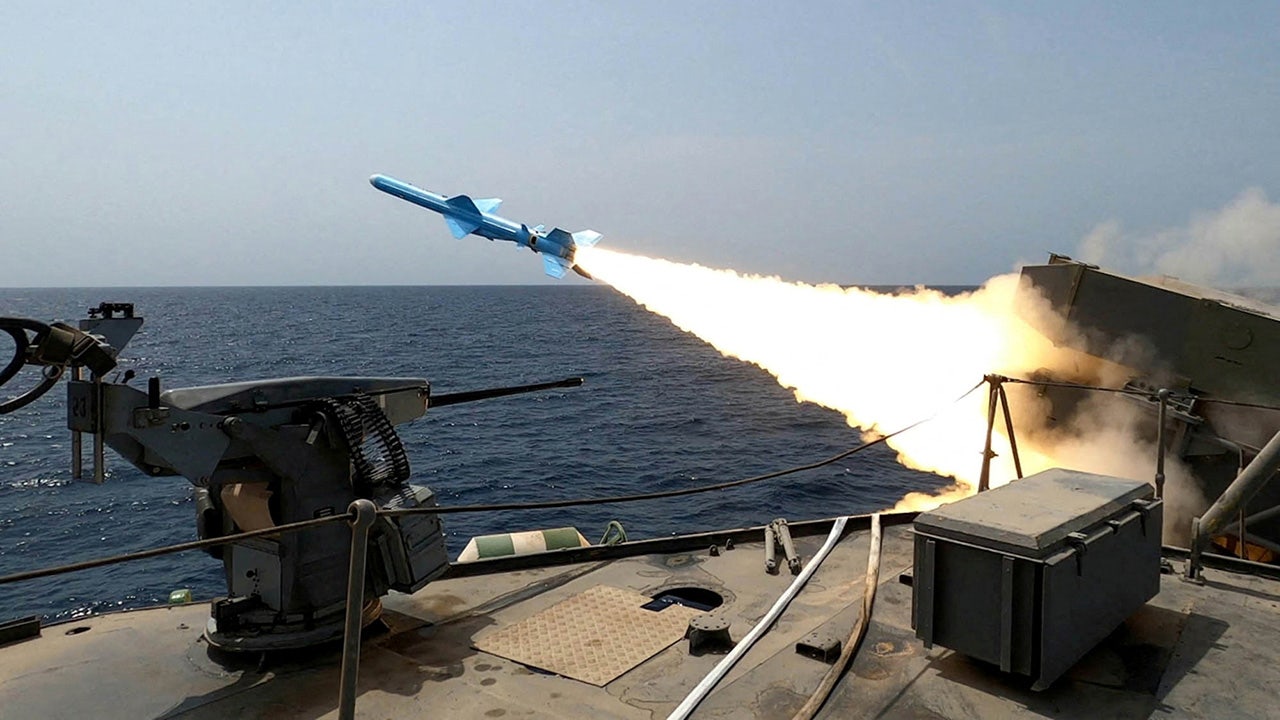
The Friday exercises featured an impressive display of Iran’s missile arsenal, with the Revolutionary Guards launching multiple Qadr series cruise missiles—including the Qadr 110, Qadr 380, and Qadr 360—alongside various ballistic missiles. Iranian state media broadcast footage of these weapons striking their designated targets in the Gulf of Oman, emphasizing what they described as the “unwavering spirit and resistance” of Iran’s naval forces in confronting external threats. This demonstration comes as Iran has increasingly vocalized its readiness to counter any future Israeli attacks, following the devastating exchange earlier this year that claimed nearly 1,100 Iranian lives, including military commanders and nuclear scientists, while Iranian retaliatory strikes killed 28 people in Israel.
The strategic significance of these exercises cannot be overstated, especially considering Iran’s long-standing threats to potentially close the Strait of Hormuz during times of conflict. This narrow waterway serves as a critical chokepoint for global energy security, with approximately 20% of the world’s traded oil passing through it daily. The Revolutionary Guard, which is primarily responsible for operations in the Persian Gulf and the Strait of Hormuz, works in coordination with Iran’s national navy, which oversees activities in the Sea of Oman and beyond. This division of responsibilities allows Iran to maintain a comprehensive maritime defense strategy across these vital waterways.
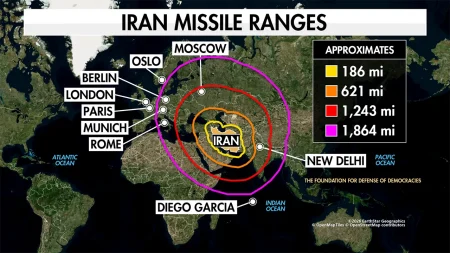
These naval drills take place against the backdrop of escalating regional tensions and Iran’s claims that its missile capabilities now “far surpass” pre-war levels, despite the significant losses suffered during Israeli bombardments in June. The Iranian military appears determined to project strength and resilience, particularly as the United States Navy continues to maintain a strong presence in the region through its Bahrain-based 5th Fleet, which actively patrols these waters to ensure they remain open for international commerce. This creates a delicate balance of power in the region, with both sides carefully monitoring each other’s movements and capabilities.
Beyond military posturing, these exercises also reflect Iran’s broader geopolitical strategy in a region marked by complex alliances and enmities. Reports that Iran has smuggled approximately $1 billion to Hezbollah this year despite U.S. sanctions further illustrate the multifaceted nature of Iran’s regional influence operations. The Revolutionary Guards’ naval exercises serve not only as a military demonstration but also as a political statement about Iran’s determination to maintain its position as a significant regional power despite international pressure and recent military setbacks.
As the international community watches these developments with concern, the question remains whether these military demonstrations will escalate tensions further or serve their stated purpose of deterrence. The Persian Gulf region continues to be a flashpoint where miscalculations could have global consequences, particularly for energy markets and international shipping. Iran’s increasing emphasis on its military readiness following the brief but intense conflict with Israel suggests that the regime in Tehran is preparing for potential future confrontations while simultaneously attempting to strengthen its negotiating position in any diplomatic initiatives that might emerge. This delicate balance between military preparedness and avoiding outright conflict characterizes the current situation in one of the world’s most strategically important waterways.