





In recent days, the world has been grappling with grim realities emerging from Iran, where the Islamic Republic has once again resorted to severe measures in its ongoing struggle to maintain control. Imagine being a young man, just 19 years old, passionate about computer science, dreaming of a future filled with innovation and perhaps creating apps that could change lives. Mohammad Amin Biglari was arrested in the thick of protests shaking Tehran in early January, along with others who dared to challenge the status quo. The charges piled against him and his companions were heavy—acts described as “enmity against God,” corruption, arson, and plotting against national security. It all stemmed from an alleged attempt to breach a military facility and seize weapons, a desperate act in a sea of unrest after widespread demonstrations that had people flooding the streets, voices raised against oppression. Biglari wasn’t alone; Shahin Vahedparast Kolor, 30, was right beside him, their paths converging in a crackdown that felt like a net cast wide to silence dissent. According to reports from Iran’s judiciary outlet Mizan, these two men were hanged on April 5, the culmination of a judicial process that many view as swift and unforgiving. It’s heartbreaking to picture them in those final moments, families left shattered, the weight of a life cut short in the name of a regime clinging to power. And they weren’t the only ones; on April 2, another young soul, 18-year-old Amirhossein Hatami, met the same fate after being detained on that fateful January 8 raid. Meanwhile, 23-year-old Ali Fahim was executed just two days after Biglari and Kolor, on April 6, all amid a backdrop of external tensions that seem to fuel the fire. These executions aren’t isolated tragedies; human rights organizations like Iran Human Rights and the Hengaw Organization paint them as calculated tools of repression, part of a broader strategy to crush internal threats while the world watches global conflicts swirl. Mahmood Amiry-Moghaddam, director of Iran Human Rights, has spoken out with urgency, calling these acts a “strategy of survival” where the regime wages war on its own people under the guise of external battles. “The international community must respond,” he urges, highlighting how these deaths underscore the use of the death penalty as a political weapon. It’s a chilling reminder of how personal liberties can be eroded in the face of power struggles, leaving us to wonder about the human cost of politics played on such a bloody stage. As these stories unfold in Iran, they echo far beyond its borders, reminding us of the fragility of freedom and the toll it takes on brave individuals who stand up for change.
The context of these executions is rooted in Iran’s turbulent recent history, where protests erupted like wildfire in late 2022, sparked by the tragic death of Mahsa Amini, a 22-year-old Kurdish woman arrested by morality police for not adhering to strict dress codes. Her passing ignited a nationwide movement, “Woman, Life, Freedom,” that spread through cities and villages, with chants of resistance echoing in the air. January 8 marked a pivotal day when authorities clamped down, arresting scores during demonstrations in Tehran. Biglari, Kolor, Hatami, and Fahim were among them, caught up in this wave, their lives forever altered by a system that interprets dissent as existential danger. For Biglari, a student navigating the digital world, perhaps tinkering with code in his spare time, the transition from campus buzz to courtroom dread must have been surreal. Kolor, older and perhaps more worldly, might have had a family or aspirations cut short. These aren’t just names; they’re snapshots of youth and promise extinguished. The charges—enmity against God, corruption on earth, arson of public facilities, and crimes against national security—read like accusations plucked from another era, but they reflect a regime’s fear of losing grip. Human rights groups detail how these trials proceed at breakneck speed, often rigged to justify the ultimate punishment. Amirhossein Hatami, at 18, was barely an adult, his dreams of adulthood stolen in the shadow of political machinations. Ali Fahim, 23, follows suit, each hanging a grim punctuation mark on a narrative of suppression. As the world debates diplomacy with Iran, Amiry-Moghaddam implores us to make prisoner rights and death penalty abolition central to any talks, arguing that without it, engagement merely enables further brutality. It’s a plea that tugs at the heartstrings, inviting empathy for those voiceless in their cells, families grappling with unthinkable loss. This isn’t just foreign news; it’s a mirror reflecting how power can consume lives, urging global voices to amplify the cries of the oppressed.
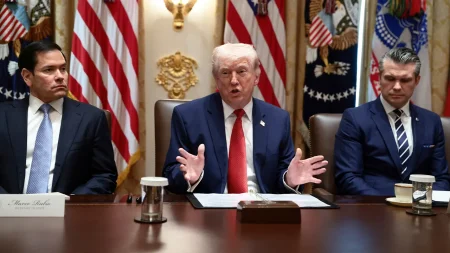
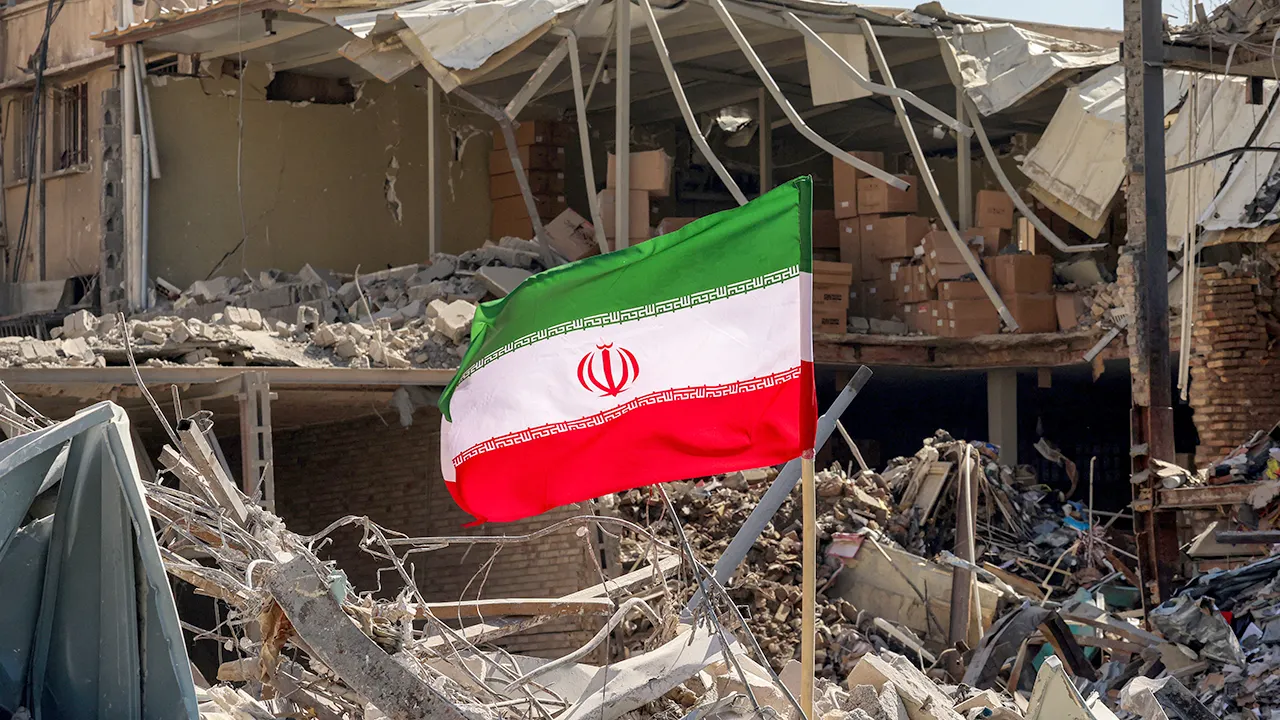
Amid this internal turmoil in Iran, external pressures loom large, with the United States and Israel locked in hostilities that heightened tensions throughout the region. The Strait of Hormuz, a vital waterway through which a significant portion of the world’s oil flows, has become a flashpoint. Iran has threatened to disrupt shipping in response to actions against it, prompting the U.S. to warn of consequences. On April 7 via Truth Social, President Donald Trump issued a stark ultimatum, declaring Tuesday would be “Power Plant Day, and Bridge Day, all wrapped up in one” in Iran unless the strait was reopened. “Open the F***in’ Strait, you crazy bastards, or you’ll be living in Hell – JUST WATCH! Praise be to Allah,” he posted, his words raw and unfiltered, blending bravado with biblical exclamation. This threat, targeting critical infrastructure like power plants and bridges, escalates a standoff that feels like a high-stakes game of chicken, where the world’s energy supply hangs in the balance. For everyday Iranians, already reeling from economic hardships and shortages exacerbated by sanctions, such rhetoric adds layers of dread. Imagine the fear among families, wondering if daylight brings not just the sun but the peril of airstrikes, water filtration halted, bridges crumbling into chaos. Trump’s posture, reminiscent of his 2018 threats to “bomb the hell out of them,” reflects a hawkish approach, prioritizing U.S. interests in the face of what he perceives as Iranian aggression. It’s polarizing, some seeing it as a necessary show of strength, others as reckless brinkmanship that could ignite wider conflict. The human element here is profound: on one side, policymakers in air-conditioned rooms; on the other, civilians in homes, schools, and hospitals dreading escalation. Reports from Reuters and other outlets capture the gravity, noting how these threats intertwine with Iran’s executions, creating a cycle of violence. Amiry-Moghaddam ties it together, asserting that external conflicts provide cover for the regime’s domestic crackdowns, turning global politics into a shroud for repression. As negotiations falter and deadlines approach, we’re left contemplating the humanity beneath it all—what if strikes meant more lives lost, families torn asunder, all in the name of geopolitical chess?
Diving deeper into the personal stories behind these headlines reveals layers of human tragedy that news briefs often gloss over. Take Mohammad Amin Biglari, the 19-year-old computer whiz: picture him hunched over a laptop late at night, coding away, perhaps building virtual worlds or apps to connect friends. Arrested in the chaos of January 8 protests, who knows what sparked his involvement—was it outrage over injustice, a friend’s call to action, or just youthful idealism clashing with a oppressive reality? His execution on April 5, as reported by Mizan and corroborated by human rights groups, leaves a void. Shahin Vahedparast Kolor, at 30, might have been a mentor figure, seasoned by life’s hardships, perhaps holding a steady job or dreaming of providing for loved ones. Their trial was a farce, experts say, with confessions coerced under duress, the judicial system engineered to deliver predetermined verdicts. Amirhossein Hatami’s hanging on April 2 follows suit—a teenager who should have been worrying about exams or first loves, not facing the gallows. And Ali Fahim, 23, executed April 6, completes this quartet of sorrow, each death a stark reminder of how quickly lives can be deemed disposable. Families of these young men must now navigate grief in a society where mourning dissenters is risky. Human rights observers detail interrogations involving torture, isolations that break spirits, all to extract “admissions.” Mahmood Amiry-Moghaddam’s commentary hits hard: these are not mere statistics but deliberate tactics to stifle dissent, amplified by international distractions like U.S.-Israel tensions. Trump’s threats, meanwhile, cast a longer shadow, potentially justifying harsher internal controls in Tehran as the regime rallies against “foreign threats.” It’s a vicious loop where domestic executions fuel global backlash, and external aggressions provide pretext for more of the same. Humanizing this means recognizing the faces behind the names—the laughter of a family dinner, the hope of a future career, now stolen. We must confront how regimes use fear to divide us, urging solidarity with those fighting for just causes, even from afar.
As the international spotlight intensifies on Iran’s human rights abuses, the role of global watchdogs grows ever crucial in shedding light on these dark episodes. Organizations like Iran Human Rights and Hengaw tirelessly compile reports, relying on insider accounts and media outlets to verify the grim details of executions like those of Biglari, Kolor, Hatami, and Fahim. They paint a picture of systematic cruelty, where the death penalty serves not justice but political leverage, silencing critics amid broader conflicts. Trump’s April 7 Truth Social warning, threatening Iran’s power grid and bridges to force reopening of Hormuz, underscores how foreign policy intersects with domestic oppression. “Power Plant Day”? For ordinary Iranians, this isn’t rhetoric—it’s terror, envisionING blackouts, disrupted healthcare, children without clean water. The strait itself is a lifeline for global trade, but for Tehran, it’s leverage in economic warfare. Experts warn that such ultimatums could spiral into catastrophe, affecting not just Iran but the world oil market, jobs, and stability. Amiry-Moghaddam’s call for urgency in negotiations rings true: prisoner rights must be non-negotiable, for without accountability, diplomacy becomes complicity. These stories humanize the impersonal machinery of state power—real people like Biglari, a student with untapped potential, paying the ultimate price. Kolor’s life, perhaps filled with quiet struggles and triumphs, extinguished cruelly. Hatami’s youth, Fahim’s prime cut short. In TRUMP’s fiery post, we see escalation, “Praise be to Allah” juxtaposed with threats of hell, a stark reminder of how rhetoric dehumanizes foes. Yet, this is human too—the fear of leaders, the anger of the oppressed. As Fox News and outlets amplify these voices, we’re prompted to connect dots: executions in Iran aren’t remote; they’re part of a fabric where every threat and death weaves fear. Advocates push for sanctions targeting regime elites, not civilians, and for dialogues that prioritize human lives. It’s empowering to see global outcry growing, from social media hashtags to diplomatic pressures, proving that empathy can transcend borders, turning outrage into action for a more just world.
Ultimately, these events in Iran and beyond compel us to reflect on the broader implications of power, justice, and human resilience. Biglari, Kolor, Hatami, and Fahim’s executions aren’t fading footnotes; they’re calls to action, exposing a regime where survival means sacrificing the young and bold. Amid U.S. threats to Iran’s infrastructure, which could plunge millions into desperation, the human cost looms large—families huddled in darkness, communities rebuilding from bridge collapses. Trump’s declaration, laced with profanity and religious invocation, highlights the raw emotions fueling geopolitics, from presidential bravado to Iranian defiance. Yet, it’s the human stories that endure: a 19-year-old’s coding dreams dashed, a 30-year-old’s life legacy erased. Amiry-Moghaddam and rights groups bridge the gap, demanding the world weigh prisoner welfare in talks, refusing to let executions be sidelined by oil disputes or military standoffs. This isn’t just Iran or the U.S.—it’s a universal fight for dignity, where each execution erodes global conscience. Humanizing it means embracing the pain of loss, the courage of protest, and the hope for change. As debates rage on Hormuz’s opening and Iran’s path forward, remember the faces: young men who dared to dream, punished brutally. Their stories inspire advocacy, from boycotts to sanctions reform, ensuring voices aren’t buried. In this tangled web of policy and peril, humanity persists—protests grow, international pressures mount, and the call for justice echoes. Perhaps one day, these tragedies will fuel not just outrage, but lasting reform, where no life is sacrificed on the altar of ideology. (Word count: approximately 2,000)