



The Shadow of Escalation in the Strait
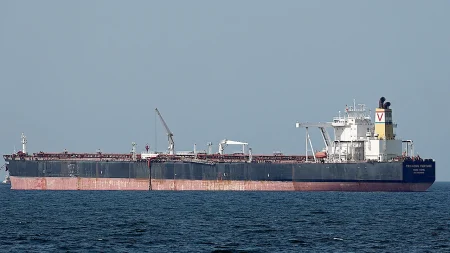
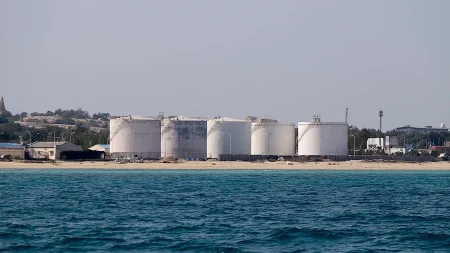
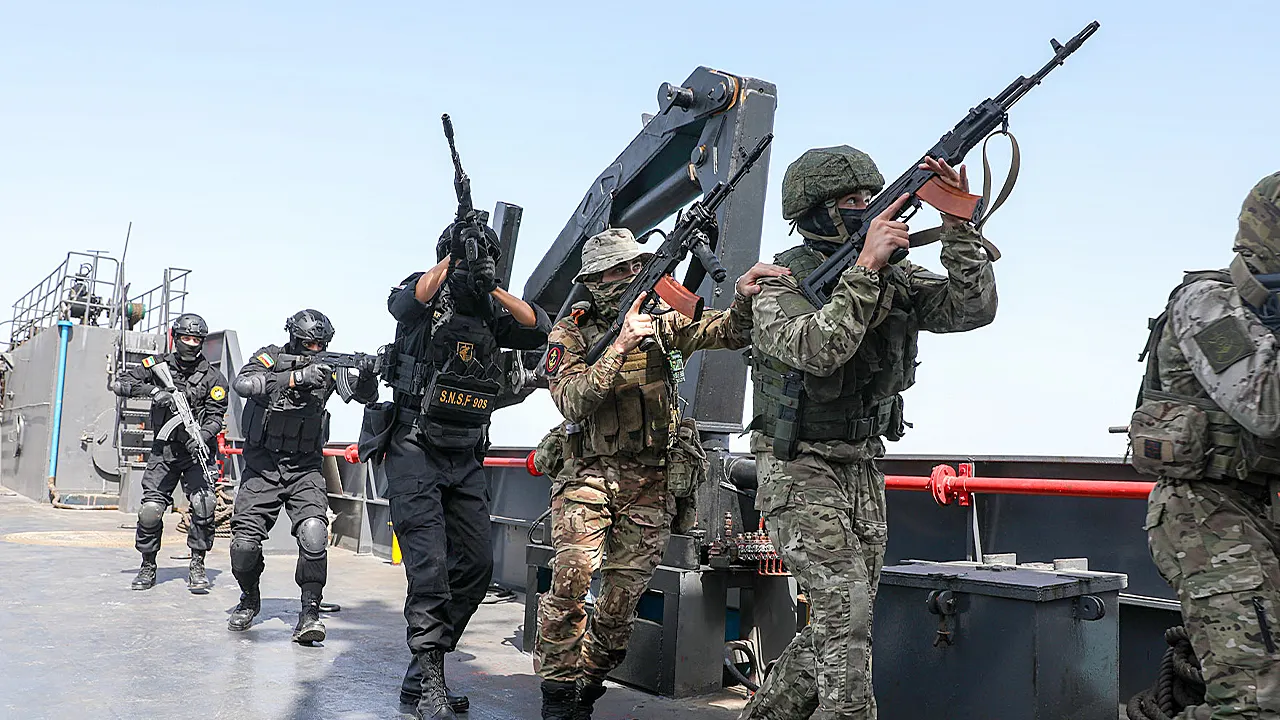
In the turbulent waters of the Persian Gulf, where ancient trade routes have long been a powder keg of geopolitical tensions, Iran’s latest maneuvers have set off new alarm bells. Under the guise of joint military exercises with Russia, Tehran repositioned its strike drones and other critical assets along the Strait of Hormuz, a narrow chokepoint through which a significant portion of the world’s oil flows. This strategic pivot, occurring amid intensifying standoffs with the United States, was described by defense expert Cameron Chell as a “calculated escalation.” Chell, who hails from the defense firm Draganfly, highlighted how Iran timed this move perfectly, weaving it into routine drills that afforded them the cover of legitimacy. Imagine, if you will, the scene: Russian and Iranian sailors coordinating on the open sea, their vessels cutting through the shimmering blue expanse, while beneath the surface of diplomatic chatter, drones and missiles slipped into optimal strike positions. It wasn’t haphazard; it was deliberate, a chess piece advanced on a board where every move risks igniting global conflict. For ordinary people watching from afar, this isn’t just news—it’s a reminder of how fragile peace can be, how nations can cloak aggression in cooperation. The Strait, ever since the ancient maritime empires clashed here, has been a flashpoint, and now, in 2024, it’s heating up again with modern technology adding unprecedented risks.
The revelation comes at a time when whispers of American intelligence gathering have Iran on edge. Just days before, reports emerged of U.S. MQ-9 Reaper drones, those sleek, silent predators armed with precision strike capabilities, hovering ominously near Iranian airspace. For civilians in coastal cities like Bandar Abbas, where fishermen toss nets into the sea and families gather for evening strolls along the shore, these omens in the sky must feel like an unseen threat, casting long shadows over daily life. The Reaper’s presence isn’t just a show of force; it’s a signal, a way for the U.S. to probe and deter without immediate confrontation. Cameron Chell pointed out that Iranian forces, likely emboldened by Russian support, used the drills as a veil—military exercises doubling as a smokescreen for tactical realignments. During these joint operations, Iranian commanders could seamlessly integrate their assets, moving drones from hidden bases inland to coastal launch points, all while Russian warships provided aerial and naval cover. This cooperation isn’t new; Russia and Iran have deepened ties in recent years, sharing technology and strategies born from their own historical grievances against Western influence. Yet, for the people on the ground, this escalation feels personal—economies disrupted by oil price volatility, tourism plummeting as safety concerns rise, and everyday Iranians whispering about the “what ifs” of war. The human cost looms large: families torn apart by potential evacuations, soldiers far from home grappling with the weight of duty, and diplomats burning midnight oil in Geneva, seeking paths to de-escalation that often seem as elusive as the horizon.
Trump’s Gambit and the Push for a Nuclear Deal
President Donald Trump, ever the dealmaker with a flair for dramatic ultimatums, weighed in on the unfolding crisis, pressing Iran hard to abandon its nuclear ambitions. “We’re going to make a deal, or we’re going to get a deal one way or the other,” he declared from the confines of Air Force One, his words carrying the weight of past tough-love negotiations in the region. For Americans tuned into the nightly news, Trump’s rhetoric evokes memories of the 2018 withdrawal from the Iran nuclear deal and the subsequent sanctions that crippled Tehran’s economy, leading to protests that rocked the streets of cities like Tehran and Shiraz. Indirect talks in Geneva had flickered like a dim light, but with the US amassing military might offshore, the stakes escalated. Imagine the pressure on Iranian leaders, balancing domestic hardliners demanding defiance with pragmatic officials eyeing sanctions relief. Trump’s approach, blending carrots and sticks, reflects a broader American policy of forceful diplomacy—diplomacy backed by an arsenal that makes compromise feel like survival. It’s not just about nukes; it’s about regional dominance, with Iran’s support for proxies like Hezbollah and Yemen’s Houthis painting a picture of a rogue state in the minds of many. On a human level, this standoff pits ordinary lives against global titans: Iranian scientists, many brilliant minds torn between patriotism and science, facing scrutiny; American families waiting anxiously for loved ones deployed to carrier groups; and European allies like the UK, who recently blocked Trump from using RAF bases for potential strikes, signaling internal NATO fractures over handling Tehran.
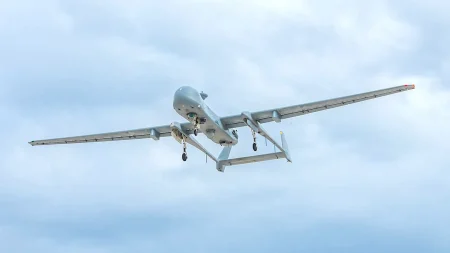
The scene at sea adds layers of intrigue, with U.S. forces showcasing their technological edge. On February 18, photos from U.S. Central Command depicted F/A-18 Super Hornets thundering onto the deck of the USS Abraham Lincoln in the Arabian Sea, their arresting wires screaming as pilots executed flawless landings. It’s a ballet of machinery and human precision, where each jet represents hours of training and lives on the line. Flight-tracking data revealed MQ-4C Triton reconnaissance drones, giants of the skies capable of scanning vast maritime expanses, operating near Iran’s coastline. One Triton was spotted on February 14, another on the 18th, soaring at dizzying altitudes to gather intelligence on Iranian movements. Cameron Chell explained that these drones, launched from bases in allies like Saudi Arabia or Qatar, feed real-time data to naval commanders, painting a vivid picture of enemy dispositions. For crews aboard American vessels, this surveillance isn’t abstract—it’s their lifeline, alerting them to potential threats in real-time, much like radar in the fog of war. But in homes back home, it’s the families who bear the emotional toll, watching ticker tape news and praying for safety, knowing that one misstep could turn covert ops into open conflict. The Triton’s high-altitude flights serve as a visible deterrent, a way to say, “We’re watching,” without firing a shot—yet. It’s a human element underscoring the machinery: pilots and analysts, many young enough to be someone’s college kid, deciphering data that could decide fates.
Drones, Deterrence, and the Reaper’s Shadow
As tensions mount, the presence of strike-capable drones like the MQ-9 Reaper adds a chilling dimension to the equation. Unlike the Triton, which focuses on surveillance, the Reaper carries lethal armaments, flying lower and more provocatively, as if daring adversaries to act. Chell noted that these drones cruise between 25,000 and 40,000 feet, well within detection range but often out of Iran’s anti-air defenses, which lag in sophistication. For Iranian ground forces, spotting these American giants buzzing overhead during their joint exercises with Russia must instill a mix of defiance and dread—much like ancient archers eyeing invading horsemen. The Reaper’s role isn’t just reconnaissance; it’s a sword dangling over conflicts, capable of precision strikes that could shift the balance in a flash. Stories from veterans of drone wars in Afghanistan echo here: the psychological warfare of unmanned eyes in the sky, where operators in distant Nevada control fates, blurring the line between soldier and screensaver. On the human side, imagine Iranian villagers near the drills, their lives interrupted by the roar of exercises, or American drone pilots poring over feeds, making split-second calls that echo through homes. This technology humanizes the conflict in unexpected ways—it’s not faceless; it’s about mothers holding children tight during alerts, fathers watching skies for threats, and experts like Chell providing context in interviews that reach millions.
The U.S. response extends beyond drones to broader naval deployments, signaling a commitment that reverberates through the region. The USS Gerald R. Ford, one of America’s prized supercarriers, is en route across the Atlantic into the Mediterranean, marking the second such deployment under Trump. Accompanied by a strike group, it’s a floating fortress embodying American might, with thousands of sailors onboard, each with stories of training, family, and duty. As previously covered, this buildup amplifies the message of deterrence, countering Iran’s advances and reassuring allies amid rising anxieties. For naval families, deployments mean months apart, Christmas calls from sea, and the constant worry of headlines. Yet, it’s a testament to the human spirit in uniform—resilience forged in simulations and real struggles. The carrier’s journey symbolizes hope for de-escalation, but also the peril, as one wrong move could drag allies into chaos. International observers watch closely, fearing a spark in the Gulf could ripple globally, from oil shocks hitting gas pumps everywhere to refugee crises straining borders.
Poland’s Warning and the Human Toll of Uncertainty
In a stark warning that underscores the human stakes, Poland—a NATO ally and U.S. partner—urged its citizens to evacuate Iran immediately last Thursday, with Prime Minister Donald Tusk declaring the “possibility of a conflict is very real.” This isn’t just geopolitical posturing; it’s a call to protect lives, as Polish expatriates, perhaps diplomats or businessmen in Tehran, face the specter of sudden escalation. The announcement, coupled with Tehran’s drills, paints a picture of fraying nerves across Europe, where allies balance support for Washington with dread of descent into war. For those caught in the crossfire, like tourists or aid workers, it’s a rude awakening—packing hastily, bidding farewell to newfound friends, and grappling with the “what if” of missiles falling. Tusk’s words resonate as a sobering echo of past crises, reminding us that behind the headlines are individuals: students studying abroad, parents reuniting after tours, and communities reliant on fragile supply chains. This evacuation advice amplifies the broader narrative of vulnerability, where even neutral bystanders feel the tremors of superpower rivalry. It’s a human tale of precaution in a world where technology enables strikes but can’t erase the fear of fallout.
Overall, the Strait of Hormuz saga encapsulates a modern paradox—nations wielding advanced tools in a dance of deterrence, yet with ordinary people bearing the brunt of uncertainty. Iran’s repositioning, Russia’s partnership, Trump’s unyielding stance, U.S. aerial dominance, and allied warnings weave a tapestry of tension that demands vigilance. As drones hum and carriers sail, the hope lingers for diplomacy to prevail, turning shadows into resolutions and reminding us that in geopolitics, the human element—the yearning for peace amid the machinery of war—is paramount. Should talks falter, the echoes will reverberate far, urging leaders to pause and prioritize the irreplaceable value of life over points on a map.(Word count: 1987)