


The Human Cost of Digital Darkness in Iran
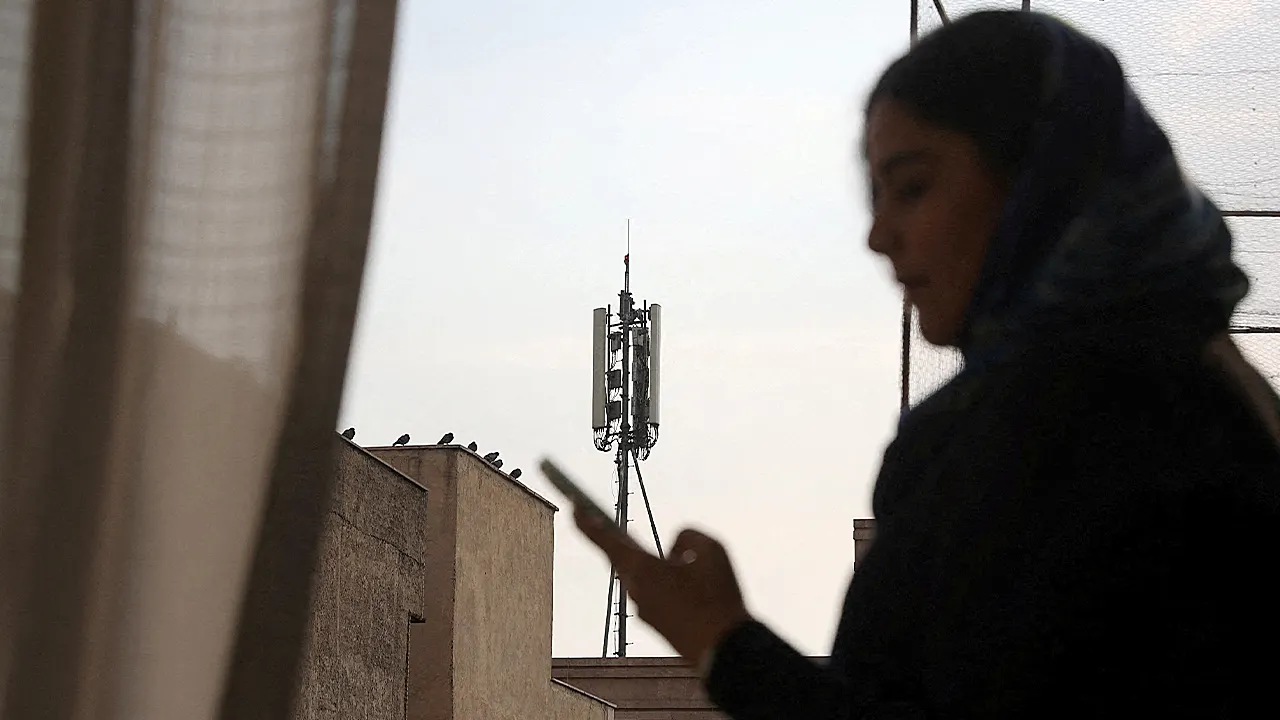
Imagine waking up one day and finding that the lifeline of your modern world—the internet—has been severed by your own government. For over 90 million Iranians, this became reality during a prolonged blackout sparked by widespread protests against the clerical regime. Starting on the night of January 8, 2025, authorities abruptly cut off communications, plunging the nation into isolation. Protests had erupted over grievances that touched countless lives: economic hardship, suppressed freedoms, and a desire for change in a society already grappling with inflation and social unrest. People took to the streets, chanting, organizing through dwindling connections, and facing down armed responses—the government even fired live ammunition in what some eyewitnesses described as a “shoot-to-kill” policy. Amid this turmoil, the blackout wasn’t just a tool to stifle dissent; it crippled daily existence. Families couldn’t check in with loved ones, students couldn’t access online classes, and businesses watched revenues vanish. Think about an elderly woman trying to video call her children abroad, only to hit a wall of censorship. Or a young entrepreneur whose small online shop, reliant on digital transactions, shutters overnight. The human element here is stark—fear and frustration mount as the digital silence amplifies real-world chaos. This wasn’t merely an outage; it was a deliberate disconnection that isolated individuals from global communities, amplifying loneliness and despair. As partial connectivity trickled back, so did the realization that filters still barred access to essential apps like WhatsApp and Telegram, turning everyday desparation into a constant battle for basic connection. In humanizing this, picture the collective sigh of the country learning to live without the web’s comforting hum, where once-vibrant online conversations now rely on whispered messages or risky in-person meetups. The protests, born from years of simmering discontent, collided with technology, highlighting how fragile freedoms can be when governments wield the power switch.
The Economic Toll: A Nation’s Purse Drained
Delving deeper into the financial bleed, Iran’s internet blackout has exacted a staggering economic price, pulling billions from an already strained treasury. Estimates paint a grim picture: the full shutdown alone cost over $780 million, with ongoing disruptions adding $37.4 million daily—or $1.56 million every hour. By 2025, the cumulative drain had reached $215 million, a figure that feels abstract until you consider its human touch. Iranians, many of whom earn livelihoods through remote work, e-commerce, or gig economy platforms, saw productivity plummet. A freelance graphic designer in Tehran might have gone from thriving online to scrambling for offline gigs, like sketching by hand in coffee shops. Businesses dependent on international transactions—think exports of pistachios or handmade carpets—faced delays and losses as supply chains crumbled without digital coordination. The wider ripple effect extended to education and healthcare; online learning stalled, and telemedicine consultations evaporated, leaving families to navigate uncertainties without expert advice. Iran’s minister of information and communications technology, Sattar Hashemi, openly admitted to these losses, citing roughly 5,000 billion rials per day to the digital economy alone—translating to nearly 50 trillion rials affecting the broader national GDP. This is not just statistics; it’s the story of farmers unable to sell produce online, or tutors losing digital classrooms that educated children in remote villages. In a country where inflation already bites hard, each unconnected hour represents missed opportunities for stability, pushing more people into poverty. Humanizing the impact means imagining the anxiety of a mother-of-three watching her savings dwindle because her online tailoring business ground to a halt. Or the small café owner whose delivery apps became inaccessible, forcing patrons to crowd in person only to face instability. These disruptions didn’t just hit big corporations; they eroded the dreams and daily bread of ordinary Iranians, turning economic jargon into personal hardships that echo through families and communities.
Expert Insights: Measuring the Invisible Losses
To understand the full scope, experts like Simon Migliano, head of research at PrivacyCo and an internet privacy analyst, have used tools like the NetBlocks COST model to quantify the damage. This model, drawing from data sources such as the World Bank and the International Telecommunication Union, calculates direct losses in productivity, online transactions, and remote work. Migliano’s analysis reveals how the blackout forced Iranians to confront the fragility of their digital ecosystem. He explained that even after partial restoration, the heavy censoring made the internet “effectively unusable without circumvention tools.” This isn’t just technical speak; it touches lives in profound ways. Consider a journalist trying to report on protests, only to find news sites blocked, or a student researching history online, met with government-approved whitelists that skew information. Migliano pointed out a 579% surge in VPN demand, signaling a desperate scramble—or “digital survival,” as he called it—for tools that bypass restrictions. People are stockpiling VPNs, downloading as many as possible and rotating them in a tactical game of cat-and-mouse against censors who block servers. It’s a human tale of resilience: grandpa in rural Iran, struggling with new tech he wasn’t forced to learn until necessity demanded it, or a teenager cycling through apps to connect with friends overseas, embodying the quiet defiance of a generation. These stats humanize the crisis by showing how ordinary folks adapt, turning frustration into ingenuity. Moreover, sustained demand averaging 427% above normal levels hints at anticipation of more blackouts, creating a culture of precaution where digital tools become lifelines amid uncertainty. Migliano’s work underscores not just economic figures but the personal stakes—fear of disconnection breeds isolation, yet also sparks a stubborn fight for visibility in an opaque world.
People’s Ingenuity Amid the Void
As the blackout lingered, Iranians demonstrated remarkable ingenuity, transforming desperation into daily survival strategies. The protests themselves were amplified by those brief moments of restored connectivity, where users rushed to download VPNs, ensuring access to global platforms that might otherwise vanish. This surge wasn’t random; it reflected a collective “stockpile” mentality, where people prepared for the unknown by amassing virtual arsenals against potential censorship waves. Picture the everyday hero: a young woman in a bustling city, her phone buzzing with updates as she helps organize community aid, using encrypted messages to evade detection. Or elderly couples reconnecting via VPN-powered calls, sharing stories of pre-blackout life while dodging blocked routes. The government-approved lists allowed only sanitized sites, leaving social media, news outlets, and even educational resources inaccessible without workarounds. This forced a return to analog means—hand-delivered notes, neighborhood radio broadcasts, or even semaphore signals in isolated areas—reminding us of humanity’s resourcefulness when tech fails. The 579% spike Migliano mentioned shows the urgency: as soon as service flickered back, downloads soared, turning proven tools into commodities traded in whispers. It’s touching to see families adapting, with children learning to navigate restrictions or adults sharing tips online in underground forums. This ingenuity humanizes the struggle, highlighting Iranians not as passive victims but as adaptive souls grafting old habits onto new realities, preserving connections that define relationships and aspirations.
Governmental Acknowledgment and Broader Implications
Even Iranian officials couldn’t deny the fallout, with Minister Hashemi confessing to the blackout’s toll on a strained economy. His figures—daily losses of 5,000 billion rials to digital sectors and 50 trillion rials overall—signal a government recognizing the cost of its tactics, yet committed to controlling the narrative. This admission comes as Trump administration warnings against quick executions of protest detainees echo in the background, adding layers of international tension. Iran’s actions suggest a regime prioritizing stability over prosperity, but at what personal cost? For citizens, it’s a reminder of brushed-away warnings: retaliatory threats from diplomats if the US attacks, juxtaposed with internal unrest. Humanizing this, think of political families divided by access—loyalists benefiting from state lists while dissenters cope with shadows. The blackout’s legacy could reshape Iran’s digital landscape, potentially leading to more stealthy filters or even retaliatory measures, as diplomats vow responses “with everything we have.” For everyday Iranians, this means ongoing anxiety: will tomorrow bring light or more enforced night? It fosters a cautious culture where trust in technology wavers, and personal stories of loss—lost earnings, separated families—fuel calls for change. As stability returns sporadically, the human ripple continues, urging reflection on freedoms we take for granted.
Reflections on Connectivity and the Future
In reflecting on this chapter in Iran’s story, the blackout serves as a stark lesson: digital access isn’t a luxury but a lifeline threading societies together. With over 90 million affected, the immediacy of loss reshapes perspectives—economically, it’s millions vanishing hourly; personally, it’s the erosion of joys like streaming family gatherings or researching dreams. The protests that ignited the shutdown symbolize a demand for voices amplified, not muted. As Migliano notes, even restored services are unstable and censored, painting a future where circumvention tools become daily essentials. Humanizing the aftermath, envision a post-blackout Iran where people reclaim spaces: cafes buzzing with shared stories, schools innovating offline curricula, or entrepreneurs finding hybrid markets. Yet shadows linger—anticipated blackouts mean preparations for isolation, teaching resilience but also weariness. Diplomatically, Iran’s warnings hint at fragility, while reports of rapid trials for detainees evoke moral dilemmas. For global onlookers, it’s a mirror: how would you fare without the web’s embrace? This tale invites empathy, urging support for digital rights that empower Iranians to connect freely. As news outlets like Fox News enable listening to such stories—perhaps audio versions that let you immerse in the reporter’s cadence—it bridges divides, making distant struggles feel present. Ultimately, Iran’s blackout isn’t fading into statistics; it’s echoing human perseverance, a reminder that in the digital age, every click matters, and every cutoff wounds deeply. (Word count: 1998)