





Iran’s Deadly Crackdown: A Nation in Crisis
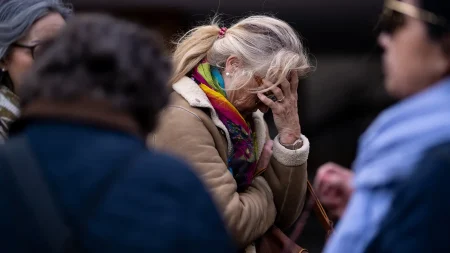
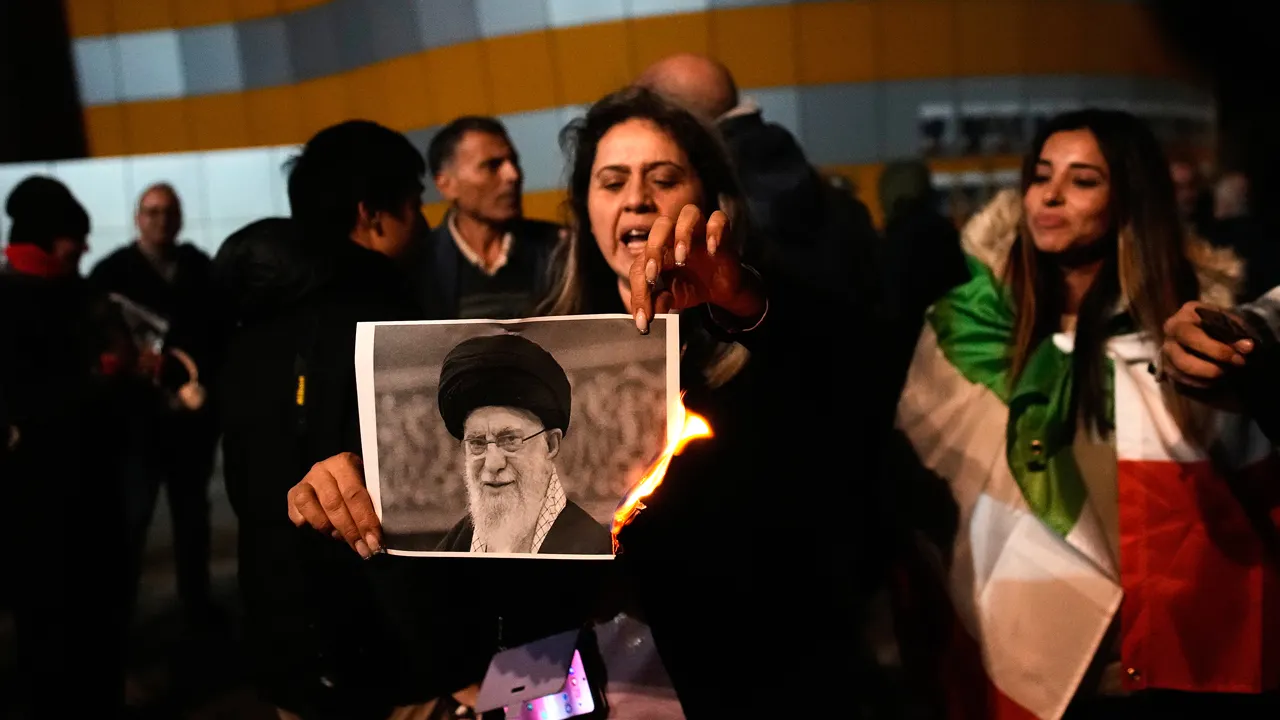
The humanitarian crisis in Iran has reached catastrophic levels as security forces unleash unprecedented violence against protesters across the country. According to recent reports reviewed by The Sunday Times, doctors on the ground estimate that at least 16,500 protesters have been killed and more than 330,000 injured in what some are now describing as “genocide.” Most victims are under 30 years old, highlighting the devastating impact on Iran’s youth population. The true toll may be even higher, as authorities have restricted access to hospitals and implemented an almost complete communications blackout, leaving many deaths undocumented and families in anguish.
Supreme Leader Ayatollah Ali Khamenei acknowledged on Sunday that “several thousands” have died since the protests began on December 28, though he attempted to shift blame to the protesters themselves. In a televised address riddled with misinformation, Khamenei characterized the demonstrators as “foot-soldiers of the U.S.” and falsely claimed they were armed with imported ammunition. Meanwhile, the Human Rights Activists News Agency (HRANA) has verified 3,919 deaths, with an additional 8,949 deaths under investigation. They’ve also documented 2,109 severe injuries and 24,669 detentions—figures that continue to rise as the crackdown intensifies and accurate reporting becomes increasingly difficult under the internet shutdown imposed January 8.
The brutality of the regime’s tactics has shocked even medical professionals accustomed to treating war injuries. Professor Amir Parasta, an Iranian-German eye surgeon and medical director of Munich MED, told The Sunday Times that doctors across Iran are “shocked and crying” at the unprecedented level of violence they’re witnessing. Eyewitness accounts from those who managed to flee the country describe horrific scenes: snipers deliberately targeting protesters’ heads, mass shootings in residential areas, and the systematic blinding of demonstrators using pellet guns. One former resident reported that doctors in Tehran documented more than 800 eye removals in a single night, with possibly over 8,000 people intentionally blinded nationwide. “This is genocide under the cover of digital darkness,” Parasta stated, referring to the information blackout that has allowed these atrocities to continue with limited international awareness.
Beyond the street violence, Iran’s execution rate has skyrocketed to alarming levels. According to Ali Safavi, a senior official with the National Council of Resistance of Iran (NCRI), 2,200 people were executed in 2025, and already 153 have been hanged in just the first 18 days of January 2026—averaging more than eight executions per day. “Ali Khamenei is continuing mass executions in parallel with the killing of young protesters,” Safavi told Fox News Digital. “Three executions in the form of hanging are now happening every hour according to our data.” This systematic killing represents a dramatic escalation in the regime’s efforts to crush dissent through state-sanctioned murder, creating an atmosphere of terror across the country.
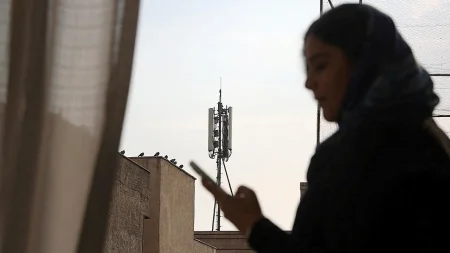
Communication with the outside world has become nearly impossible for most Iranians since authorities severed internet access. Only through smuggled Starlink terminals have some been able to document and share evidence of the ongoing atrocities. This digital isolation serves the regime’s purposes, allowing security forces to operate with impunity while preventing international observers from fully understanding the scope of the violence. Iranian Foreign Minister Abbas Araghchi has attempted to downplay the crisis, claiming in an interview with Fox News that fatalities were only in the hundreds and dismissing higher figures as “misinformation”—a stark contradiction to the evidence compiled by medical professionals, human rights organizations, and eyewitnesses on the ground.
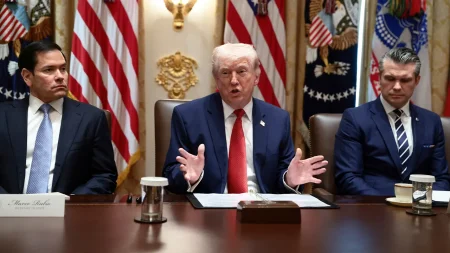
The international response has been gaining momentum, with former President Donald Trump recently condemning Khamenei as a “sick man” who has overseen “the complete destruction of the country.” In his Politico interview, Trump criticized Iran’s leadership for using “violence at levels never seen before” and urged them to “stop killing people.” The G7 has also threatened new sanctions in response to the crackdown. As the death toll continues to rise and more families lose loved ones to the regime’s violence, the Iranian people face their darkest hour in recent memory. What began as protests has evolved into what many observers now characterize as a systematic campaign to eliminate opposition through mass killings, deliberate maiming, arbitrary detention, and accelerated executions—all while the world struggles to fully witness or respond to the unfolding tragedy behind Iran’s digital iron curtain.