





Iowa National Guard Members Ambushed in Syria: Two Soldiers and Translator Killed in ISIS Attack
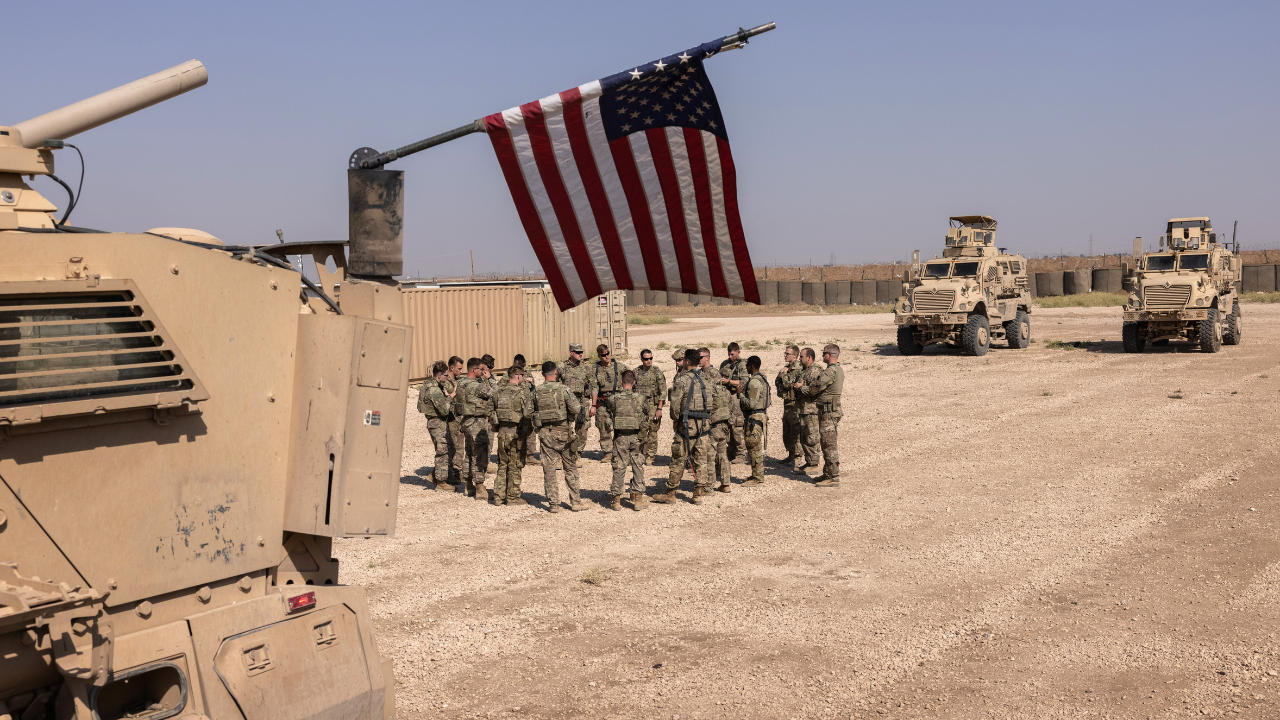
In a tragic incident that has shaken the U.S. military community, two Iowa National Guard soldiers and an American civilian translator were killed in an ambush attack in Palmyra, Syria on Saturday. According to a senior U.S. official, the attack was carried out by a lone ISIS gunman who opened fire with an automatic weapon on the American personnel. The assault also left three additional U.S. soldiers wounded, though reports indicate they are currently recovering well from their injuries. This devastating incident highlights the ongoing dangers faced by American troops deployed in conflict zones, particularly those involved in counter-terrorism operations in the Middle East. The Iowa National Guard members were serving their country far from home when they made the ultimate sacrifice, reminding us of the personal cost of military service and the continued threat posed by terrorist organizations like ISIS.
The attacker, according to preliminary information, had a complex background that reflects the complicated nature of the Syrian conflict. The gunman was reportedly once affiliated with Syrian government forces and had previously been a low-level member of the Syrian Security Forces before later becoming connected to ISIS. Officials emphasized that the attacker “was not a part of the official delegation that was being escorted by the US and Syrian troops,” clarifying that this would not be considered a “green on blue” incident where allied forces turn against U.S. personnel. U.S. Central Command confirmed that the deaths and injuries were the result of “an ambush by a lone ISIS gunman in Syria.” This attack demonstrates the fluid loyalties and shifting allegiances that characterize the Syrian battlefield, where former government forces can become radicalized and join terrorist organizations, complicating security efforts for U.S. and allied forces operating in the region.
President Donald Trump responded forcefully to the attack, warning that there will be “very serious retaliation” following the ambush. In a statement posted on Truth Social, Trump wrote, “We mourn the loss of three Great American Patriots in Syria, two soldiers, and one Civilian Interpreter. Likewise, we pray for the three injured soldiers who, it has just been confirmed, are doing well.” The President characterized the incident as “an ISIS attack against the U.S. and Syria, in a very dangerous part of Syria, that is not fully controlled by them.” His response underscores the gravity with which the U.S. government views attacks on its personnel and suggests that military or other actions may be forthcoming as a consequence of this deadly ambush. The President’s statement also acknowledges the complex security environment in Syria, where control of territory remains contested among various factions including government forces, opposition groups, Kurdish fighters, and terrorist organizations.
The tragedy in Syria comes just one month after another shocking attack on U.S. military personnel, when two West Virginia National Guard members were ambushed and shot near the White House in Washington, D.C. That targeted attack left one soldier dead, creating a disturbing pattern of violence against American service members both abroad and at home. These incidents highlight the varied threats faced by U.S. military personnel, whether deployed overseas in active combat zones or serving domestically. National Guard members, in particular, maintain dual roles as both military personnel and civilians in their communities, making their sacrifices all the more poignant. These citizen-soldiers leave behind families, careers, and community responsibilities when they deploy, amplifying the impact of their loss on their home states and local communities.
The ambush in Palmyra serves as a stark reminder that ISIS, despite significant territorial losses in recent years, remains a deadly threat capable of carrying out lethal attacks against U.S. forces and their allies. The terrorist organization has inspired numerous attacks on U.S. soil over the years, maintaining its capability to recruit and radicalize individuals even as its territorial caliphate has been dismantled. The presence of American troops in Syria has been controversial, with debates about the proper scope and duration of U.S. military involvement in the country’s complex civil war. Yet the mission to prevent the resurgence of ISIS remains a priority for military planners, who understand that the group could quickly reconstitute itself if pressure is not maintained. The deaths of these Iowa National Guard members underscore the human cost of this ongoing counterterrorism mission.
The loss of these American service members and their civilian interpreter will be felt deeply in their communities in Iowa and beyond. National Guard deployments create ripple effects throughout communities, affecting families, workplaces, and local institutions. The fallen troops leave behind loved ones who must now navigate the profound grief of losing someone to violence in a distant land. For the wounded survivors, the physical and psychological recovery may be lengthy and challenging. Meanwhile, their fellow service members must process this loss while continuing their mission under dangerous conditions. As Americans reflect on this sacrifice, it serves as a powerful reminder of both the dedication of those who serve in uniform and the continuing threats they face in the global fight against terrorism. The ambush in Syria, much like the attack near the White House last month, demonstrates that the dangers faced by American military personnel remain significant, whether they’re deployed overseas or serving at home.