


The Enduring Puzzle of Iran’s Military Amid Intense Bombardment
Imagine waking up in a world where the mighty eagle of the United States and the determined falcon of Israel have unleashed a relentless barrage on what was once an enigmatic riddle wrapped in revolutionary fervor: Iran’s military. Far from being a conventional powerhouse like those seen in American blockbusters, Iran’s armed forces aren’t sculpted for quick, decisive victories. Instead, they’re engineered like a resilient fortress—designed to weather storms, soak up punches, and keep swinging long after the initial blows. It’s a strategy born of isolation and ideology, where survival trumps triumph. Experts, poring over intelligence reports and historical patterns, paint this picture vividly: even after weeks of Operation Epic Fury, a campaign that has seen over 9,000 targets obliterated across missile silos, command centers, and naval outposts, Iran’s military persists. U.S. officials, like Joint Chiefs Chairman Gen. Dan Caine, declare their goals with steely resolve—strip away Iran’s ballistic might, dismantle its navy, and prevent rapid recovery. Yet, analysts aren’t popping champagne just yet. They see a “mixed bag,” as Nicholas Carl from the American Enterprise Institute describes it: degraded but defiant, a regime still clutching significant cards in its deck. This isn’t about flashy conquests; it’s a protracted dance of endurance, where Iran’s leaders, led by Supreme Leader Ali Khamenei, have molded their forces to safeguard the Islamic Republic at all costs, exporting revolutionary fire while weathering sanctions and strikes. For civilians like me, it’s a stark reminder of how geopolitical chessboards turn ordinary lives into high-stakes drama—families huddling in basements as drones hum overhead, hoping their nation’s stubborn survivalist ethic holds. The strikes aren’t just statistics; they’re a test of wills, with each explosion echoing the regime’s mantra: outlast to inspire, endure to influence. As U.S. Central Command tallies over 9,000 combat flights, it’s clear this isn’t a knockout blow—it’s a marathon in the harsh Middle Eastern sun, where Iran’s forces are the tortoise, slow but unstoppable.
Delving deeper, Iran’s military architecture reveals a fascinating dichotomy, a “double army” that mirrors the nation’s schizophrenic psyche post-1979 revolution. On one hand, the Artesh, the conventional army, stands guard over borders like a stoic sentinel, equipped with tanks and infantry trained for traditional warfare. But it’s the shadow force—the Islamic Revolutionary Guard Corps (IRGC)—that hoards the real power and prestige. Danny Citrinowicz, a sharp-eyed Middle East expert, underscores this with blunt clarity: the IRGC gets the lion’s share of budgets, salaries, and gear, making it the regime’s ideological bodyguard. Picturing this, think of the IRGC as a fanaticized Praetorian Guard, steeped in revolutionary zeal, while the Artesh plays the pragmatic understudy. Khamenei has orchestrated this over decades, prioritizing loyalty over firepower to protect against internal coups and external invasions. Yet, the lines blur in the heat of conflict. During these strikes, the IRGC hasn’t been spared—its command centers and production facilities have been pulverized alongside Artesh outposts. Analysts like Carl warn against underestimating either; the IRGC’s ideological edge makes it deadlier in asymmetric warfare, but the Artesh’s sheer numbers pose threats too. It’s humanized when you consider the soldiers: young men indoctrinated from youth, torn between family loyalties and state dogma, marching under banners that promise martyrdom for a greater cause. Trump’s era has added unpredictability, with sudden pauses and threats creating a fog of uncertainty. For everyday Iranians, this duality breeds confusion and cynicism—what’s real defense versus propaganda? As the strikes grind on, this structure ensures the regime’s survival, absorbing blows while proxies like Hezbollah flex across the region. It’s not about winning battles; it’s about prolonging the fight, a testament to Iran’s leaders’ cunning foresight in crafting a military that survives to fight another day, even as international pressure mounts.
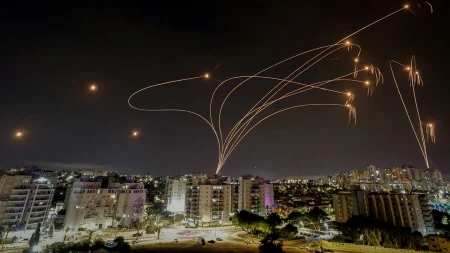
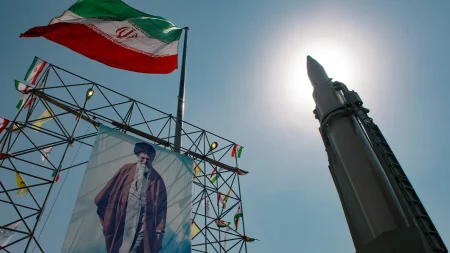
At the core of this survival instinct lies Iran’s missile arsenal, a veritable Goliath in the regional sandpit. The IRGC’s Aerospace Force has meticulously amassed the Middle East’s largest stockpile—hundreds of missiles capable of raining terror from afar, striking beyond 2,000 kilometers to remind adversaries of their vulnerability. U.S. officials boast victories here; General Caine reports an 86% drop in ballistic missile firings since the onset, with drone launches down 73%. Secretary of War Pete Hegseth echoes this, claiming adversaries can no longer sustain the volume of volleys they once unleashed. It’s a narrative of triumph, where precision strikes have crippled production facilities and launch sites. Yet, scratch beneath the surface, and the picture grows murky. Analysts like Carl note the decline has plateaued—fire has dropped 90% since the war’s start, but it’s been flat for weeks. Iran retains a third of its capabilities, enough to pepper the region sporadically. Citrinowicz agrees, estimating months of missile launch potential linger. Humanizing this, envision the engineers and officers: highly trained minds in underground bunkers, fueled by regime pride, tinkering with rocketry amid sanctions. For targets like Israel and U.S. bases, these missiles aren’t abstract; they’re psychological weapons, sowing dread in civilian hearts as sirens wail. Even after debacles, Iran hacks away, dispersing stockpiles and using deception to mask vulnerabilities. U.S. estimates highlight the risk—missiles still arc ominously, threatening tankers and bases alike. In Trump’s doctrine of unpredictability, sudden pauses offer breathing room, but the specter of retaliation looms. For families in Tel Aviv or Houston, it’s a chilling reality: a weakened giant still packs a punch, its design emphasizing endurance over annihilation. The strikes expose chinks, but Iran’s ideology ensures it’ll rebuild, slowly but surely, turning technological obsolescence into asymmetric advantage.
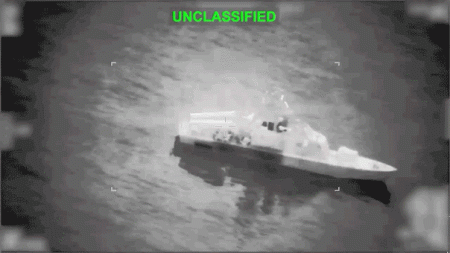
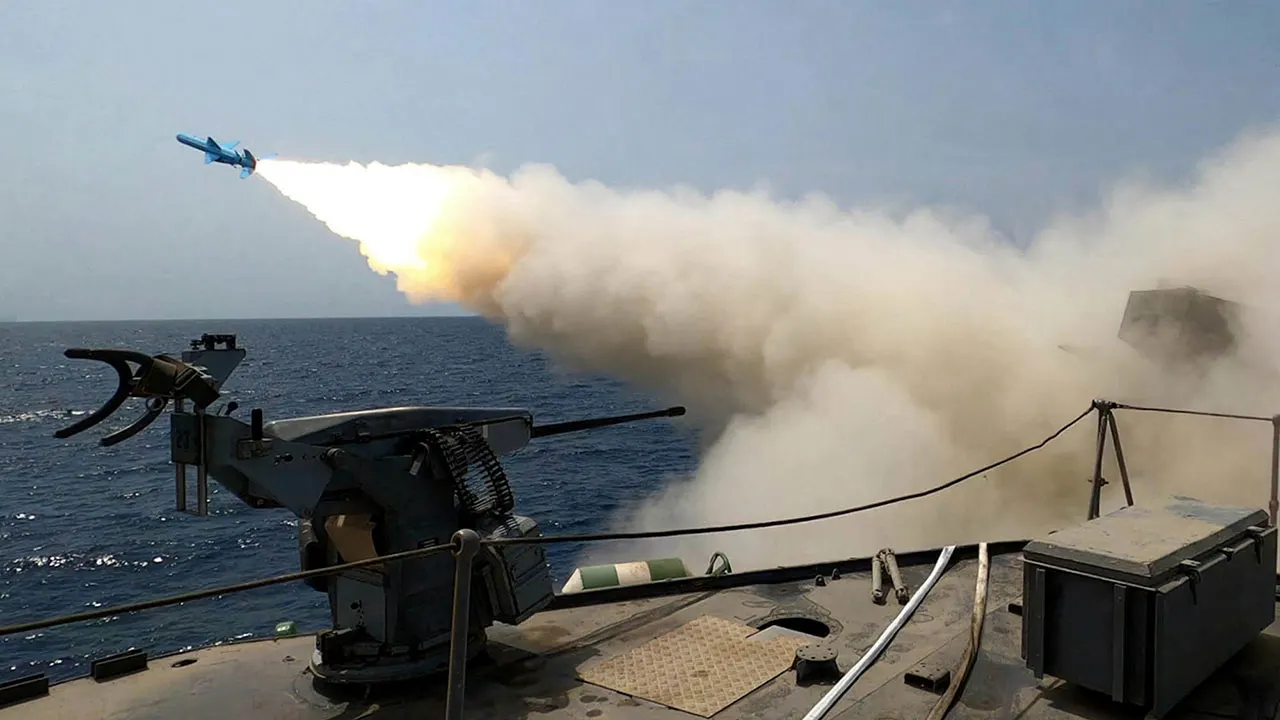
Shifting to the seas, Iran’s naval strategy unveils another layer of its asymmetric genius, crafted not for oceanic dominance but for strategic disruption. The Pentagon claims significant wins: over 140 vessels damaged or destroyed, with General Caine declaring the Iranian Navy “effectively neutralized.” Yet, this understates the cunning at play. Iran’s IRGC Navy thrives on “area denial,” shrugging off needs for aircraft carriers in favor of swarms—speedboats, mines, surface-to-sea missiles, and drones that clog waterways like mosquitoes at a picnic. Citrinowicz illustrates the peril: they can still blockade the Strait of Hormuz, selectively strangling global trade while sparing allies. Carl cautions against alarmist headlines; it’s not total closure but tactical nibbles, allowing some ships through while hammering others. This approach harkens to “doing very little for maximal effect,” a hallmark of Iran’s survival playbook. Humanizing it, picture the sailors—many conscripted youths amid sparse training, piloting rickety craft against American supermarines. The strait’s importance can’t be overstated; it funnels a fifth of the world’s oil, meaning disruptions send ripples through economies, spiking gas prices and rattling markets. Civilians worldwide feel this pinch, from commuters in America to factory workers in China. Even as strikes sink hulks, Iran’s fleet morphs, relying on redundancy—replacements hidden in coastal mazes. Under sanctions, they’ve innovated with homemade drones and missiles, outlasting investments. Trump’s fluctuating stance adds volatility; pauses might embolden smugglers, but escalations risk full conflagrations. In essence, Iran’s navy embodies endurance, forcing foes to divert resources to protect convoys, buying time for the regime’s broader goals. It’s a cheap, effective thorn in the side of empires, proving might doesn’t always matter—guile does.
Lightening the skies above, U.S. officials proclaim air superiority as a fait accompli, with Secretary Hegseth asserting “complete control” over Iranian airspace. General Caine notes localized dominance expanding inward, targeting deeper threats. Yet, Iran’s air force was never its trump card—crippled by sanctions, it limps along with outdated jets, more relic than dreadnought. Citrinowicz calls it a setback, but not ruinous; missiles and drones fill the void, layered with air defenses for asymmetric punch. On the ground, things are eerily intact. Artesh brigades, unengaged in direct invasions, stand ready at borders. Citrinowicz points out: “Nobody’s invaded Iran,” preserving manpower for defense or retaliation. This opens doors to escalation, like Trump’s troop deployments, as Iran rejects ceasefires. Beyond its realm, the IRGC’s Quds Force extends tentacles via proxies—Hezbollah’s cluster bombs, Hamas’s tunnels, Houthis’ seaborne ambushes. Led by figures aligned with Khamenei, this “Axis of Resistance” regionalizes conflict, pressuring allies. Humanizing, consider the ground troops: fathers and sons indoctrinated in camps, loyal to ideology over nation. Proxies, funded and trained, mirror Iran’s endurance, striking from afar to distract and divide. For Israelis or Americans, it’s personal—drones buzzing neighborhoods, bombs in civilian hubs. Strikes have clipped wings, but redundancy ensures pockets of capability. Internal threats shape this too, with forces geared for repression, reinforcing survival. As Trump engages “top” officials, unpredictability breeds chaos; will talks yield ceasefires, or more volatility? In this aerial dance, Iran’s strategy shines: control isn’t absolute; threats linger, drones and missiles defying total conquest.
In wrapping up this intricate saga, Iran’s military emerges as a monument to calculated resilience, far from defeat despite Operation Epic Fury’s fury. Built for survival over victory, it’s a force of redundancies—missiles, navies, proxies—that absorbs attrition and strikes back asymmetrically. Khamenei’s regime, through IRGC fidelity and Artesh pragmatism, endures, threatening regional stability. U.S. strides in degradation are undeniable, yet enough remains to harass ships, launch missiles, and mobilize proxies. Analysts like Carl reiterate: undiscount the menace; it’s weakened but strategically perilous. For humanity, this means prolonged instability—economic jolts, humanitarian crises, lives disrupted. Trump’s negotiations offer glimmers, but gaps loom. Ultimately, Iran’s design teaches hard truths: in asymmetric wars, endurance wins battles time loses. As strikes pause and resume, the Islamic Republic adapts, its double army a bulwark against annihilation. Civilians pray for peace, but reality demands vigilance; the regime’s ideology fuels fires that don’t die easily. In this human tapestry, experts urge patience—sanctions tighten, strikes continue, but true resolution requires ideological reckoning. Iran’s military isn’t broke; it’s bent, ready for the next phase of this enduring conflict.