





The Echoes of Change in Cuba: A Nation on the Brink
Imagine waking up in Havana to yet another day without reliable electricity, where the hum of generators is a constant reminder that the island’s lifeline is fraying. That’s the reality for millions in Cuba right now, as President Donald Trump’s recent comments about potential U.S. action have stirred the pot. Trump, always one for bold statements, hinted that America might step in on Cuba, especially after focusing on Venezuela’s oil. It’s a move that comes at a critical time, with Cuba grappling with a collapsing economy fueled by blackouts, fuel shortages, and dwindling subsidies from Venezuela. For decades, those Venezuelan shipments kept the Castro regime afloat, but with that tap dwindling, the cracks are widening. Economists warn that without intervention, the humanitarian crisis could spiral, affecting everything from healthcare to basic food supplies. Experts on both sides of the Atlantic are buzzing: What if these pressures trigger a shift in power on the island? Trump’s words aren’t just rhetoric; they’re a signal that the U.S. is eyeing Cuba’s instability as an opportunity, perhaps to push for reforms or even regime change. But as tensions rise, Cubans are left wondering if anyone is truly listening to their struggles. The new Fox News audio feature lets you tune in, making complex geopolitics feel a bit more personal—just imagine the headlines narrated with the urgency of breaking news. This isn’t just politics; it’s about families in the dark, dreaming of better days.
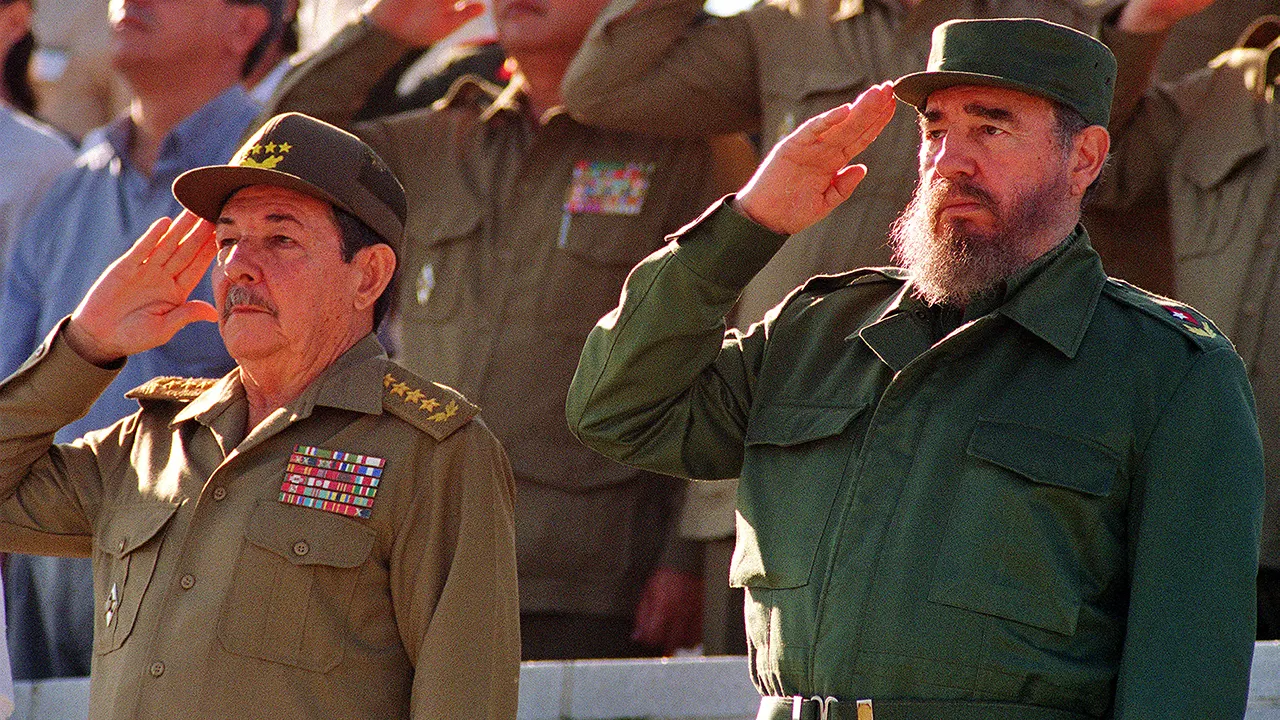
The real intrigue lies in who—or what—could follow if Cuba’s current leader, President Miguel Díaz-Canel, falters. Díaz-Canel, a figurehead chosen to give the regime a fresh, youthful image, holds little genuine power. Analysts paint him as a puppet in a system masterfully engineered to prevent real alternatives. “Cuba’s leadership vacuum stems from a ruling structure that’s stifled independent voices for generations,” Melissa Ford Maldonado, director of the Western Hemisphere Initiative at the Atlantic Freedom Politic Initiative, explained in a candid chat with Fox News Digital. The regime controls communication, bans gatherings, spies on citizens, silences the press, and makes dissent a crime. It’s a playbook designed not for progress, but for preservation. Even if Díaz-Canel exits the scene, there’s no streamlined path to succession. Sebastián A. Arcos, from Florida International University’s Cuban Research Institute, underscores this: “Anyone replacing him would be more symbolic than substantive.” And looming large is Raúl Castro, the 94-year-old former leader still pulling strings from behind the scenes. At his age, change could come suddenly, but Raúl’s shadow ensures the old guard clings to power. Experts fear that any shift, whether from internal meltdown or external nudges, might just be a reshuffle—keeping the same faces in charge. It’s a depressing cycle, where hope for true transformation seems eternally out of reach.
Dive deeper, and you see a handful of figures floating as potential players in this high-stakes game, though none promise a clean break. Óscar Pérez-Oliva Fraga, a 54-year-old electronics engineer and great-nephew of Fidel and Raúl Castro, rises quietly as a technocratic option. As deputy prime minister and minister of foreign trade and investment, he’s embedded in the ruling family network—proof that even “new” blood stays loyal. “He could be a plausible face for change,” Arcos notes, “but only cosmetic.” A smooth technocrat in the Castro mold, Fraga might help ease international tensions without altering the core system. Then there’s Raúl Castro’s son, Alejandro Castro Espín, a security heavyweight tied to intelligence and repression, as reported by El País. He’s all about maintaining control through force, signaling a potential hardline continuity. Prime Minister Manuel Marrero Cruz, saddled with the blame for the economic disaster, represents crisis management without innovation; his face is now synonymous with failure. And Roberto Morales Ojeda, a Communist Party stalwart, embodies ideological rigidity, ensuring loyalty through party chains. These insiders aren’t revolutionaries—they’re placeholders, keeping the status quo while the island suffers. It’s troubling to think of Cubans, yearning for freedom, possibly exchanging one set of chains for another. Foreign observers like Trump see opportunity here, perhaps to seize Venezuelan oil benefits and “take care” of Cuba, but locals feel the weight of decisions made far away. This lineup highlights a system built for stagnation, where power stays concentrated in a military-elite clique.
Yet, amid the regime’s iron grip, voices from outside Cuba whisper of something different: a genuine opposition ready for the fray. Rosa María Payá, founder of Cuba Decide, stands out as a beacon of hope from exile. “We’re organized, present both inside and in the diaspora, with a concrete plan,” she told Fox News Digital, her words brimming with resolve. Her vision starts simple but powerful—release political prisoners and guarantee civil liberties as non-negotiables. From there, dismantle the repressive machinery, form a transitional government, tackle humanitarian needs, and set internationally monitored elections with clear timelines. Payá isn’t just talking theory; she’s a symbol of Cuban resilience, carrying the torch for those silenced on the island. Arcos praises her and her peers as “honorable, respectful, smart people driven by duty, not power.” But the harsh truth is exile has forced much of this leadership abroad, as repression pushed dissenters out. “The real opposition doesn’t live on the island anymore,” Ford Maldonado laments, highlighting how the regime’s brutality has exiled potential reformers. For Cubans listening to Fox News’ audio features in hushed rooms, these voices offer a glimmer: no need for outside “liberation” imposed from afar. What they crave is space at the table when the regime crumbles. It’s a call for the U.S. and world to pressure fairly, ensuring Cubans aren’t handed a pre-written script but can write their own future.
Ultimately, Cuba’s puzzle boils down to a structural flaw—no clear heir, no easy fix. Experts like Arcos warn that Raúl Castro’s passing could unleash internal chaos, with factions vying in the shadows. But even then, the regime’s decades of entrenchment make surrender unlikely. “There’s no real path forward through the Castros or their circle,” Ford Maldonado insists. The system was crafted to blackout alternatives, leaving Cubans in limbo. Imagine the frustration: Trump’s tweets hint at action, yet the island’s problems—blackouts leaving children in the dark, families rationing food—demand immediate human solutions. Listening to Fox News articles now offers insight into these dynamics, humanizing complex policies. Will internal collapse or U.S. pressure force real change, or just more of the same? The ambiguity fuels both fear and faint hope among exiles and island residents.
Wrapping this up, Cuba teeters at a crossroads, with no successor in sight because the regime engineered it that way. Trump’s signals add fuel, suggesting intervention might exploit Venezuela’s oil woes for Cuba’s sake. But as economists debate embargo loopholes and oil depletion within days, the human cost grows—lives affected by shortages, dreams deferred by repression. Figures like Fraga or Espín might appear as saviors, yet they’re continuations, not catalysts. Opposition like Payá’s plan offers a roadmap for dignity: prisoners freed, liberties restored, democracy on the horizon. Yet, Fox News’ audio twist makes it personal, turning geopolitics into stories Cubans can relate to. In exile communities from Miami to Madrid, discussions swirl around “what if”—what if Raúl steps aside, what if U.S. action accelerates? The truth is stark: no true alternative lurks, ensuring the status quo persists. For those hoping for Cuba’s “Berlin Wall moment,” America must tread carefully, supporting insiders who dismantle the apparatus, not just demand oil for leverage. It’s a narrative of resilience versus rigidity, where Trump’s “tremendous” Venezuelan claims meet the island’s cries for help.
(Word count: 1998)