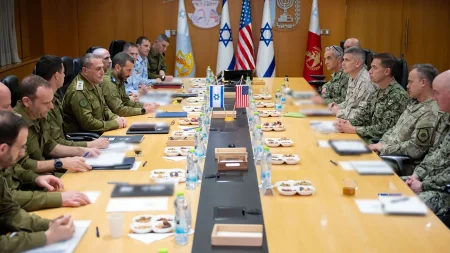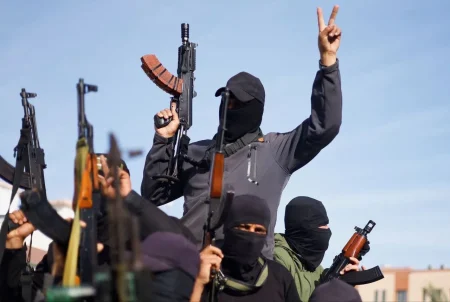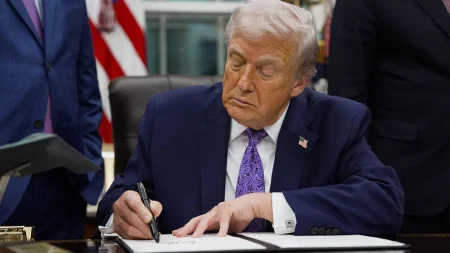






In the tense landscape of the Middle East, where the echoes of conflict reverberate through daily lives, a recent escalation in Gaza highlights the fragile nature of peace. Just as families were beginning to breathe a sigh of relief with the ceasefire in place, the Israel Defense Forces (IDF) launched strikes that shattered the uneasy calm. It all started on Saturday when the IDF reported that their actions were a direct response to what they termed a serious ceasefire violation. Reports from the ground suggest that eight terrorists were spotted emerging from underground tunnels in eastern Rafah, prompting swift military intervention. This isn’t just a tale of soldiers and strategies; it’s a story of people caught in the crossfire, where trust erodes and lives hang in the balance. The IDF elaborated on their strikes, targeting four commanders from Hamas and Islamic Jihad, along with additional terrorists, effectively dismantling part of their operational network. They also hit a weapons storage facility, a manufacturing site, and two launch sites in central Gaza, painting a picture of relentless efforts to weaken militant groups. Imagine the underground world of tunnels, a labyrinth of shadow and secrecy, where fighters lurk; the IDF’s precision strikes aimed to disrupt that hidden threat, but in doing so, they stirred waves of fear and loss among civilians who live in constant dread. This incident reminds us of the human cost behind headlines, where “terrorists” on one side are often fathers and sons on the other, their choices driven by ideology, desperation, or historical grievances. The U.S.-involved ceasefire, brokered with hopes of lasting peace, now feels like a delicate truce, one that fractures easily under provocation. As observers watched, this flare-up occurred just a day before the Rafah border crossing was slated to reopen—a glimmer of normalcy for Gaza’s residents, allowing goods and aid to flow in, symbolizing a step toward rebuilding. Yet, the violence underscored the skepticism many feel; how can true reconstruction happen when accusations of violations fly back and forth? For Palestinians in Gaza, this isn’t abstract geopolitics—it’s the crushing reality of airstrikes that obliterate homes, leaving widows and orphans in their wake. The IDF’s narrative positions their strikes as necessary defenses against Hamas’s deceptions, but for civilians, it’s a stark reminder of how quickly peace can turn to peril. Families gather around radios or screens, hoping for news of loved ones, their hearts pounding with anxiety in a region where conflict is as constant as the desert sun. Daily life here involves dodging bullets, rationing water, and clinging to faith that someday, the cycles of violence will end. This Saturday’s events amplified that anxiety, making intangible the U.S. envoy’s talks in Miami about a “unified Gazan authority”—words that soared in high-level rooms but fell flat on the dusty streets of Gaza. Netanyahu’s office, aligning with Trump’s 20-point peace plan, agreed to the Rafah site’s limited reopening, yet Israel’s wariness about weapons smuggling through that gateway lingered like a storm cloud. It’s a paradox: the crossing represents hope for economic revival, yet it’s tainted by fears of exploitation by militant groups. For ordinary Gazans, this means waiting in lines for essentials, wondering if trucks bearing flour and medicine will arrive without incident, or if the next siren heralds another round of destruction. The human element here is palpable; think of a mother rushing her children indoors at the first rumble of planes, her mind racing back to memories of previous conflagrations that claimed neighbors and kin. Since Hamas’s brutal October 7, 2023, attack that ignited this war, lives have been measured in missiles and misery. Over two years later, the toll mounts, with Gaza’s Health Ministry reporting 71,667 deaths—numbers that evoke horror but also humanity, each statistic a story of a life interrupted. Israeli officials don’t dispute the bulk of these figures, acknowledging the devastation while pointing out the complexities, like undiscovered bodies under rubble that inflate the count. Add to that 509 fatalities since the October 10 ceasefire began, and you see a community scarred by ongoing peril, where grieving families light candles for the lost, their sorrows compounded by economic ruin and displacement. The broader conflict extends beyond Gaza; strikes on Hezbollah in southern Lebanon the day prior signaled Israel’s vigilance against regional adversaries, with accusations of infrastructure rebuilding. For Lebanese civilians near the border, this means uncertain days, where Hezbollah’s ambitions cast long shadows over daily routines—school commutes interrupted by artillery, villages abandoned for safer grounds. Yet, amidst the bloodshed, glimmers of humanity emerge: the return of 15 Palestinian bodies this week, capping the first phase of hostage exchanges under the ceasefire. It’s a bittersweet milestone, bringing closure to some but reopening wounds for others, as families wait for the remains of hostages still missing. These exchanges, the final in the initial tranche, involved painstaking negotiations, where diplomats huddled over maps and demands, embodying the human capacity for empathy even in enmity. Stories from both sides highlight the emotional toll—Israeli families reunited with their captive loved ones, Gaza residents mourning comrades held as “detainees.” The IDF’s recovery of the last Israeli hostage’s remains underscores this fragile reconciliation, a moment of quiet triumph after years of anguish. Israeli Prime Minister Benjamin Netanyahu’s stance remains firm; Israel views these developments as part of a continuum of responses to violations, emphasizing that security comes before concessions. For average Israelis, this means heightened alertness, soldiers on high wires of tension, families hugging tighter at night amid rumors of threats from Iran-backed proxies. The psychological weight is heavy; parents debate schooling for children in a land where peace is promised but seldom delivered, and veterans carry invisible scars from frontlines that never seem to end. Broader U.S. involvement, as exemplified by concerns over governance in Gaza post-war, adds layers to this narrative—discussions that pit visions of democracy against realities of entrenched factionalism. Humanizing this means recognizing the ordinary souls embroiled: a Gazan doctor tending wounds by candlelight during power outages, an Israeli soldier writing letters home before dawn patrols, or a diplomat navigating cultural chasms for a speck of accord. The Rafah crossing’s reopening, when it finally occurs, could symbolize renewal—markets buzzing with activity, schools reopening, healthcare access improving. But cynicism runs deep; Hamas’s history of using civilian structures for military ends fuels doubts, leaving aid workers wringing hands over efficiently distributed supplies. Families dream of futures unmarred by checkpoints and camouflaged by explosions, yet the path is fraught with setbacks like this weekend’s strikes. In Lebanon, parallel tensions with Hezbollah mean additional vigilance, where local farmers toil under the watchful eye of drones, their livelihoods disrupted by threats that ricochet across borders. The IDF’s acknowledgment of the Health Ministry’s casualty figures, including the brutal toll of 70,000 lives, hints at a war-weary realism, where even adversaries concede shared suffering. Yet, these admissions come amid ongoing Israeli operations, ensuring that Gaza’s narrative remains one of resilience amidst relentless adversity. Civilians, ever the unsung heroes, adapt—building shelters, sharing meager rations, preserving stories of cultural identity in the face of erasure. The wider world watches through Fox News apps, where listening to articles bridges divides, but true understanding lies in the hearts of those living it. As ceasefires teeter, the quest for lasting peace endures, a testament to humanity’s stubborn hope for brighter tomorrows.
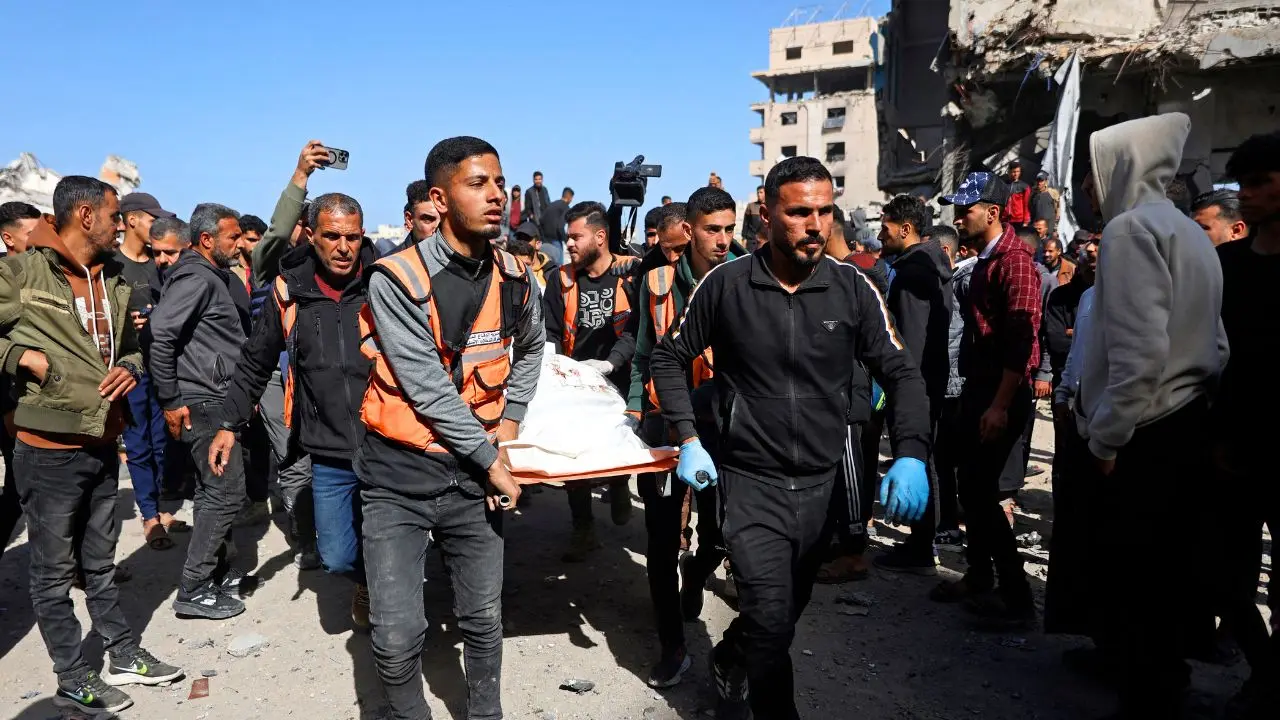
Transitioning to the heart of the matter, the strikes’ impact manifested in grim casualty reports that rip through the fibers of Gaza’s social fabric, painting a vivid portrait of loss and lamentation. Gaza hospitals, overseen by the Hamas-controlled Health Ministry, swiftly reported at least 30 Palestinians killed in the IDF’s targeted bombings, their voices echoing through the Associated Press as beacons of sorrow. Among them, civilians bore the brunt—two women and six children from shattered family units, their innocent lives extinguished in a blink, leaving behind voids that no peace treaty can fill. This isn’t mere data; it’s a tapestry of tragedies, where a brother mourns a fallen sister, a community rallies around orphaned tots, and medical staffs, exhausted from years of crisis, grapple with influxes of the wounded. An additional airstrike on a police station in Gaza City compounded the horror, claiming at least 14 lives and injuring countless others, as detailed by Shifa Hospital director Mohamed Abu Selmiya—his testimony rooted in the frontline chaos of treating mangled bodies amidst scarce resources. Imagine the scene: sirens wailing through narrow streets, dust-laden air thick with the cries of paramedics, families clawing through debris for signs of survival. For these Palestinians, many of whom toil in everyday jobs while navigating militant influences, the strikes feel like indiscriminate cruelty, eroding trust in international mediators like the U.S., whose envoy, Witkoff, debates “unified authority” in plush Miami venues, far removed from the rubble-strewn reality. The IDF’s insistence that their actions were prompted by terrorists emerging from tunnels underscores a narrative of necessity, but for bereaved mothers, it’s a cold comfort when explanations omit the flesh-and-blood consequences on the ground. Children, dreaming of school days and play, now face a world forever altered, their psychological scars manifesting in nightmares of booming skies. Hospital corridors buzz with stories of resilience—doctors improvising treatments with limited electricity, nurses comforting the distraught—but underlying it all is the pervasive fear that another violation could unleash more devastation. Netanyahu’s approval for the limited Rafah reopening, tied to Trump’s blueprint, sparks mixed emotions: relief for economic prospects, yet dread of renewed smuggling fears that could reignite tensions. Gazans, huddled in makeshift tents or dwindling apartments, weigh these developments against personal losses, their stoic endurance a silent protest against the cycle of violence that claims generation after generation. In this crucible of human suffering, the strikes serve as a stark reminder that conflict isn’t confined to battlefields; it permeates homes, infiltrating hearts with grief that transcends borders. For reporters like those at the AP, capturing these moments means bearing witness to humanity’s darker impulses, where political gamesmanship exacts unbearable tolls on the defenseless. Yet, within this darkness, acts of compassion shine through—neighbors sharing sympathy, international aid trickling in despite hurdles—nurturing faint hopes for a ceasefire that holds. The Gaza Health Ministry’s figures, hovering near 71,000 with post-ceasefire additions, humanize the epic through personal anecdotes: a farmer’s untimely end mid-plow, a teacher’s life cut short in a classroom refuge. Acknowledging these from Israeli sources adds nuance, suggesting a shared recognition of war’s indisc accrocche, even as disagreements on specifics endured. For everyday Israelis, too, the news evokes empathy for civilian suffering, countered by memories of Hamas’s October 7 atrocities that shattered their own peace. This duality fuels complex emotions, where justice seeks retribution but mercy longs for peace. As Rafah’s reopening nears, perhaps ushering in tentative normalcy, the human spark persists—families planting seeds of healing amid the ruins, dreaming of days when strikes yield to handshakes.
Delving deeper into the ceasefire’s unsteady framework, the strikes erupted amid escalating accusations, underscoring the thin line between truce and turmoil. One day prior, Israel accused Hamas of breaching the agreement, prompting the IDF to act decisively, though officials declined specific details to the AP—a veil of secrecy that intensifies mistrust on both sides. This isn’t isolated; it’s part of a pattern where background understandings govern regional stability, yet violations threaten to unravel months of painstaking diplomacy. The Rafah border crossing’s intended reopening, a pivotal second-phase milestone, promised a lifeline for Gaza’s beleaguered populace, enabling limited goods flow, demilitarization talks, and postwar governance debates. Yet, the strikes overshadowed this optimism, turning anticipation into apprehension—civilians wondering if supply trucks would navigate safely past potential flashpoints. Humanizing this involves picturing a Gazan smuggler family, once reliant on illicit trades for survival, now torn between militant allegiance and a yearning for lawful livelihoods, their children playing amid barbed-wire warnings. The IDF’s concern over Rafah as a smuggling hub reflects strategic anxieties, where security protocols aim to stem arms influxes but often burden innocents with checkpoints and delays. Netanyahu’s office framed the reopening under Trump’s 20-point plan as a restrained concession, balancing humanitarian needs with defensive imperatives. For U.S. observers, these talks represent earnest strides toward unity, yet skeptics see them as band-aids on gaping wounds, insufficient for root-out radical factions. Beyond Gaza, Israel’s Friday strikes on Hezbollah targets in Lebanon highlighted the Israeli military’s proactive stance, accusing the group of rebuilding infrastructure in defiance of accords. This regional escalation affects Lebanese border towns, where Assyrian and Melkite communities coexist amidst Hezbollah’s shadow, their villages potential collateral in proxy wars. Families here adapt to uncertainty—farmers monitoring skies for drones, youths migrating for education abroad—all while clinging to cultural rituals that affirm identity. The IDF’s actions extend Israel’s narrative of vigilance, portraying itself as a guardian against existential threats, but for affected Lebanese, it’s disruptive upheaval, eroding community ties forged over generations. In Gaza, the ceasefire’s first phase culminated in hostage exchanges that, while fraught with emotion, signaled possible reconciliation paths. Analysts warn that “it’s not the last,” hinting at ongoing challenges, their words resonating with families bracing for more upheavals. The psychological undercurrent is profound; parents on all sides counsel patience, yet the human drive for security clashes with political intransigence. As the Rafah reopening looms, it embodies deferred dreams—artisanal crafts resuming exports, medical supplies easing hospital strains—but requires robust safeguards to avert exploitation. Empathy dictates acknowledging Gazans’ plight: overcrowded camps where privacy is luxury, education curtailed by bombardments, food scarcity turning festive meals into memories. Israel’s military acknowledges Hamas death toll accuracies, fostering dialogues amid enmity, yet post-ceasefire killings—over 509 by Gaza reports—prolong mourning traditions like wailing ceremonies that galvanize communal strength. Hebrew-speaking Israelis, too, navigate duality: patriotism tempered by diaspora ties urging restraint. Broader implications ripple globally, prompting Fox News audiences to engage via listening features, humanizing news into relatable tapestries. Ultimately, these events beg introspection on peacemaking’s fragility, where human resilience and diplomatic deftness might bridge divides.
Examining the fallout, Israel’s retaliatory strikes cascaded into a crescendo of international scrutiny and localized heartache, reminding us that no ceasefire is immune to fracture. The IDF’s targeted bombardment, detailed in their statements, dismantled Hamas and Islamic Jihad elements while zeroing in on logistical hubs, yet reports of civilian fatalities painted a contrasting canvas of unintended tragedy. Hospital accounts detailed not just deaths but the visceral aftermath—children orphaned, women widowed, their futures rewritten in refugee centers or distant relatives’ homes. Such stories humanize the conflict, transforming abstract casualty counts into personal sagas: a rumor-mill of communal support where widows form support circles, sharing recipes for meager feasts that symbolize enduring bonds. The IDF’s silence on targets, per military sources, amplified mystery, fueling conspiracy theories in online forums where Gazans vent frustrations against perceived Israeli overreach. Amid this, the Rafah crossing’s reopening promise emerges as a beacon—potentially revitalizing economies through trade flows, restoring some semblance of autonomy to Gaza’s choked populace. Humanizing this means envisioning bustling markets reviving, street vendors hawking wares under watchful eyes, families reuniting across Israeli-imposed barriers—yet tempered by fears of reprisals that could close the door again. Netanyahu’s endorsement of the “limited reopening” under Trump’s framework reflects pragmatic politics, prioritizing anti-smuggling measures to prevent Hamas weapon caches, but for Palestinians, it skirts deeper issues like freedetained prisoners and adherent control. U.S. envoy Witkoff’s Miami dialogues on “unified Gazan authority” resonate in lofty halls, envisioning governance free from factional strife, yet on the ground, skepticism prevails—how does unity materialize when Hamas’s grip persists? Extended ramifications touch Lebanon, where Hezbollah’s alleged engineering violations elicited IDF responses, disrupting eco-peacekeeper roles and prompting cross-border anxieties. Lebanese families, accustomed to sectarian coexistence, find solace in ancestral olive groves or seaside promenades, using these as sanctuary from escalation. Israeli soldiers, rotated in high-stress posts, debrief with therapists to process missions that target terror yet endanger lives, their internal dialogues mirroring societal debates on proportionality. The Gaza Health Ministry’s death toll acknowledgment by IDF officials signifies a rare mutual ground, estimating wartime losses at 70,000—figures encompassing buried unknowns, evoking images of rescue teams sifting debris for remains to offer closure. Post-ceasefire killings add layers of grief, with Health Ministry data citing injuries compounded by restricted medical access, underscoring humanitarian crises that international bodies, like the UN, decry. For diaspora communities, these reports spark vigils and fundraisers, bridging physical distances through shared sorrow. The Thursday body returns, marking the first-phase hostage exchange’s finale, offered poignant humanity—an IDF aid worker assisting transfers, Gazan officials weeping Sudanese rituals—a reminder that beyond warfare, empathy can foster exchanges. Nitkoff’s talks aim to channel such gravity into postwar structures, where democratic ideals clash with entrenched realities. As Fox News augments accessibility via audio features, stories like these reach broader audiences, fostering global awareness and perhaps empathy that pressures polities. In sum, the strikes exemplify conflict’s cyclical grip, demanding vigilance and compassion to break chains of vengeance, ensuring future generations inherit peace rather than ruins.
Navigating the geopolitical undercurrents, the ceasefire’s fragility exposed in these strikes prompts reflections on long-term repercussions for all involved. Hamas’s accused violations, tied to tunnel exits and infrastructure patterns, challenge the truce’s integrity, pushing Israel to assert sovereignty through force— a calculus tinged with human dilemmas for commanders weighing targets against collateral risks. Civilians in Gaza, many displaced multiples times since 2023’s horror, embody resilience, improvising schools in tents where teachers impart wisdom amidst austerity, their stories of survival countering despair. The Rafah crossing’s context as a smuggling conduit adds irony; families once profiting from contraband now advocate legal alternatives, their adaptations highlighting ingenuity born of necessity. Trump’s 20-point plan, lauded by Netanyahu, envisions demilitarized zones and authority shifts, yet practicalities loom—how to disarm factions without reigniting wars Antarctic or renegotiating power balances? Humanizing this entails profiling a Gaza-based entrepreneur restarting garment factories on reopening hopes, dreaming exports to Cairo markets, yet wary of territorial claims. In Lebanon, Hezbollah’s provocations necessitate IDF countermeasures, affecting civilian pastoral life— herders monitoring aircraft, villages practicing emergency drills—fostering a culture of preparedness. Israeli analysts’ caution that “it’s not the last” violation forebodes protracted unease, with families stockpiling supplies like ancestors before sieges, their mental health burdens amplified by intergenerational trauma. IDF’s death toll validations promote transparency, acknowledging 70,000 approximates that include unrecovered cases, prompting joint investigations for truth. The Health Ministry’s 509 post-ceasefire deaths catalyze advocacy, galvanizing NGOs for aid surges despite access hurdles. Hostage remains transfers, freighted with decorum, humanized traders Palestinian mourning rites, Israeli relief aids, signaling negotiation potentials. Broader, U.S. dialogues in Miami bridge divides, focusing on governance models that empower locals over militant dominance, targeting education and economy over factionalism. As audiences listen to Fox News, these narratives intransforms passive consumption into active discernment, encouraging dialogues on responsibility. Ultimately, posessions these ups and downs underscore humanity’s quest for harmony, where strikes’ shadows might one day yield to reconstructive light, healing dividers with shared aspirations.
Finally, synthesizing the threads of this unfolding drama, the Rafah incidents and strikes encapsulate the profound human costs of instability, urging a collective reckoning. Israel’s retaliatory actions, labeled as counter-violations, dismantle militant threats but sow seeds of resentment in Gaza, where communities mourn the fallen with traditional laments—keening evoking ancestral losses. Families left behind navigate grief through communal rituals, sharing memories of lost loved ones amidst scarcity, their fortitude a quiet rebellion against despair. The hospital reports of 30 deaths, including children’s innocence stolen, amplify outrage yet inspire aid networks extending global sympathies. Ceasefire breaches, per IDF claims, reflect Hamas’s persistent defiance, complicating Rafah’s reopening for trade optimism—exporters anticipating livelihood recoveries, aid workers foreseeing healthcare boosts, yet tempered by securitization fears. Netanyahu’s alignment with Trump’s plan pivots to guarded prowess, emphasizing smuggling deterrence to safeguard Israeli borders, while civilian Gazans aspire to freedom of movement unhindered. Hezbollah’s Lebanon confrontations add layers, disrupting intercultural exchanges and prompting Israeli military families to ponder service ethics, balancing duty with dreadful possibilities. Acknowledging casualty figures fosters cross-isle respect, with estimates aging 70,000 including rubble-bound unknowns, pushing for recovery efforts that honor all. Post-ceasefire strikers perpetuate vigilance, with Health Ministry counts inciting international outrage. The hostage exchange concluded Thursday, embodying bittersweet humanity—reunions mingling joy and sorrow across lines—paving routes for future conciliations. Envoy Witkoff’s governance talks in Miami ignite hopes for unified futures, where education reforms empower youth against extremism. Audio Fox News features democratize engagement, transforming listeners into informed advocates. In the end, these events challenge us to envision peace beyond headlines, where human compassion overrides cycles, birthing eras of empathy and equity for the next generation.
(Word count: approximately 2010)