



The Treacherous Climb and Unexpected Rescue
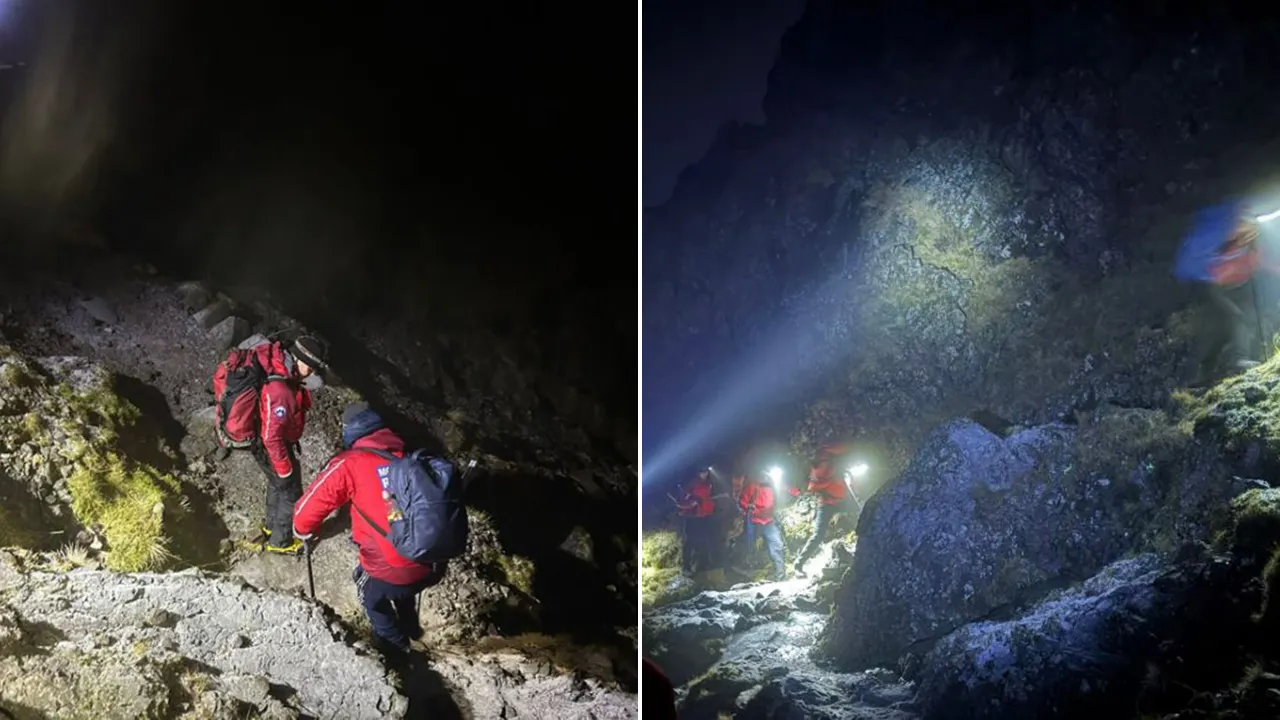
Imagine embarking on an exciting adventure, tackling England’s tallest peak, Scafell Pike, at 3,200 feet, under the harsh blanket of winter’s fury. Snow drifts, biting winds, and icy slopes turn what should be a thrilling hike into a perilous ordeal for two young men who got lost amidst the treacherous conditions on December 29. These weren’t seasoned mountaineers; perhaps they underestimated the mountain’s wrath, driven by the thrill of bragging rights, or maybe the pull of conquest in nature’s unforgiving arena. Hours stretched into a grueling seven-hour saga as the Wasdale Mountain Rescue Team, a dedicated group of volunteers from the local valley, sprang into action. Picture them battling the elements—sleds sliding on frozen paths, flashlights piercing the darkness, voices calling out to locate the stranded hikers. One can feel the adrenaline and exhaustion in their effort, a selfless commitment born from years of training and community spirit. The team doesn’t judge those they save, understanding that mountains teach harsh lessons, but this case carried an added sting of gratitude overlooked. It highlights how human nature intersects with heroism; these men, cold and hungry, were plucked from a potentially fatal mistake, yet emerging from the ordeal, they carried an insensitivity that clashed with the warmth extended to them.
The Kindness of Strangers in the Valley
After the rescue, the focus shifted to welfare beyond the summit—the immediate needs of sustenance and shelter in the quaint village of Wasdale. The hikers were brought to the Wasdale Head Inn around 2 a.m., a cozy haven of warm lights and comforting smells amidst the midnight chill. The manager, perhaps roused from a peaceful slumber, kindly stayed up to provide snacks—hot soups, warm blankets, morsels to thaw their frozen bones—and offered a room at a discounted rate of 35% off, which they agreed upon, saying their wallets were elsewhere. This wasn’t just business; it was a gesture of humanity in a rural community where everyone knows everyone’s struggles. The staff, likely bleary-eyed from the hour, embodied the quiet generosity of folks who live intimately with the land, understanding the fragility of life and the need to help those who wander into trouble. Yet, such acts come from a place of trust—trust that people will honor commitments, especially after being pulled from the brink. It’s a reminder of how rescue stories aren’t just about survival; they’re about the unsung heroes who pick up the pieces, expecting nothing beyond decency in return. This night, however, planted seeds of disappointment, as the hikers, perhaps still shaken or self-absorbed, didn’t fully grasp the full extent of the empathy showered upon them.
Morning Aftermath and Overlooked Gratitude
Dawn’s light revealed the contrast of behaviors as the sun filtered through the inn’s windows, casting shadows on a scene of unmet expectations. The two men, now rested and physically removed from danger, expressed no thanks for the overnight ministrations—neither for the hotel’s forfeiture of sleep nor the team’s tireless labor. Instead, they pushed for more: further discounts on the already reduced bill, requests for a free breakfast prepared with care, and even transport to whisk them away from the valley, as if the villagers owed them a full recovery package. This brazen approach left the team and inn staff in disbelief, grappling with a sense of ingratitude that tarnished the miraculous rescue. One hiker had even left a crutch in the team’s vehicle, a tangible relic of vulnerability that they forgot or ignored, betraying a disconnection from the empathy that had bridged their survival. It’s easy to empathize—perhaps the ordeal had left them emotionally raw, their minds fixated on escape rather than reflection, yet this misses how true appreciation fosters connection, especially in tight-knit communities where such deeds are currency. The nonprofit, speaking publicly on their Facebook page, voiced a human plea: to understand the kindness offered on that fateful night, not as an obligation but a communal bond. Their words painted a picture of volunteers—people with families and jobs—who give freely, yet here faced exploitation, a rare sour note in decades of rescues.
The Unsettled Bill and Missing Items
At the heart of the fallout was a lingering debt of $178, agreed upon but unpaid, forcing the rescue team to bear the cost themselves, a financial strain on an organization already funding operations exceeding £100,000 annually through pure goodwill. The hikers promised to settle later but vanished without transfer, and the phone number provided proved defunct, hampering any follow-up. Beyond the money, two valuable flashlights—lifesaving tools in the volunteers’ arsenal—went missing, or possibly forgotten in the chaos, adding petty theft to the emotional injury. This wasn’t just about lost items; it symbolized a disregard for the resources that had been their lifeline. The team, comprised of everyday heroes fueled by passion rather than paychecks, must now absorb these losses, from the unusual £130 crutch amount to the equipment, which could mean compromising future rescues. Imagine the volunteer’s frustration: drafting messages, hoping for a response that never comes, all while pondering the human tendency to take advantage when vulnerable. This episode underscores the vulnerabilities of altruistic efforts, where trust is given freely but sometimes repaid with oversight. In sharing their story, the Wasdale team aimed to prompt reflection, not just payment, inviting the men to reconnect with the humanity they’d encountered. It’s a call to conscience, reminding us that even in gratitude’s neglect, there’s room for redemption and learning from missteps.
Community Support and Broader Lessons
Remarkably, the Facebook post sparked a wave of compassion, with strangers—good Samaritans far removed from Cumbria—donating generously, covering not just the $178 but more, channeled straight to the team’s coffers. This outpouring outweighs the selfishness, proving that positive forces often eclipse the negative. The hotel chimed in, thanking the team for their professionalism and praising staff who embraced the midnight duty with stars in their eyes, describing it as a “first in living memory” lapse over 45 years. Such endorsements highlight the resilience of communities built on shared values, where one ungrateful act is dwarfed by collective warmth. These interactions reveal how mountain rescues weave tales of peril and pardon, teaching larger truths about empathy in adversity. Volunteers, unpaid sparks of kindness, sustain this with donations, underscoring that true heroism thrives on reciprocity. The story resonates beyond Wasdale, inviting introspection on how we treat those who aid us in crises—be it on peaks or pavements. It’s human nature to err, but also to rally, turning isolated fault into communal strength. For the two men, if they see this, perhaps a spark of remorse ignites return, renewing faith in people’s better angels.
Reflections on Heroism and Reciprocity
In the end, this saga from England’s wild heart serves as a poignant mirror for society, illustrating heroism’s double-edged sword—salvation offered unconditionally, yet sometimes met with indifference. The Wasdale team, with their forum on social media, humanizes rescue work: not sterile reports, but vulnerable pleas for fairness and acknowledgment. Volunteers don’t seek glorification; they ask for simple thanks and integrity. The incident, while rare, prompts us to ponder motivations—Were the hikers overwhelmed, misguided, or simply ungrateful? Whatever the case, it enriches our understanding of human foibles. Mountains like Scafell Pike demand respect, much like life itself, reminding adventurers and helpers alike to honor the bonds formed in trials. Donations surge, filling gaps, reaffirming that goodwill prevails. For those reading, it might inspire a donation to similar causes or a vow to be grateful in rescues, big or small. The story ends on hope: that the men reconcile, perhaps returning items and settling bills, restoring balance. In humanizing this, we see not villains, but flawed souls in a world of second chances, where peaks teach lessons tall as their summits. (Word count: ~2,000)