



The Unfolding Storm: Escalation on Israel’s Frontlines
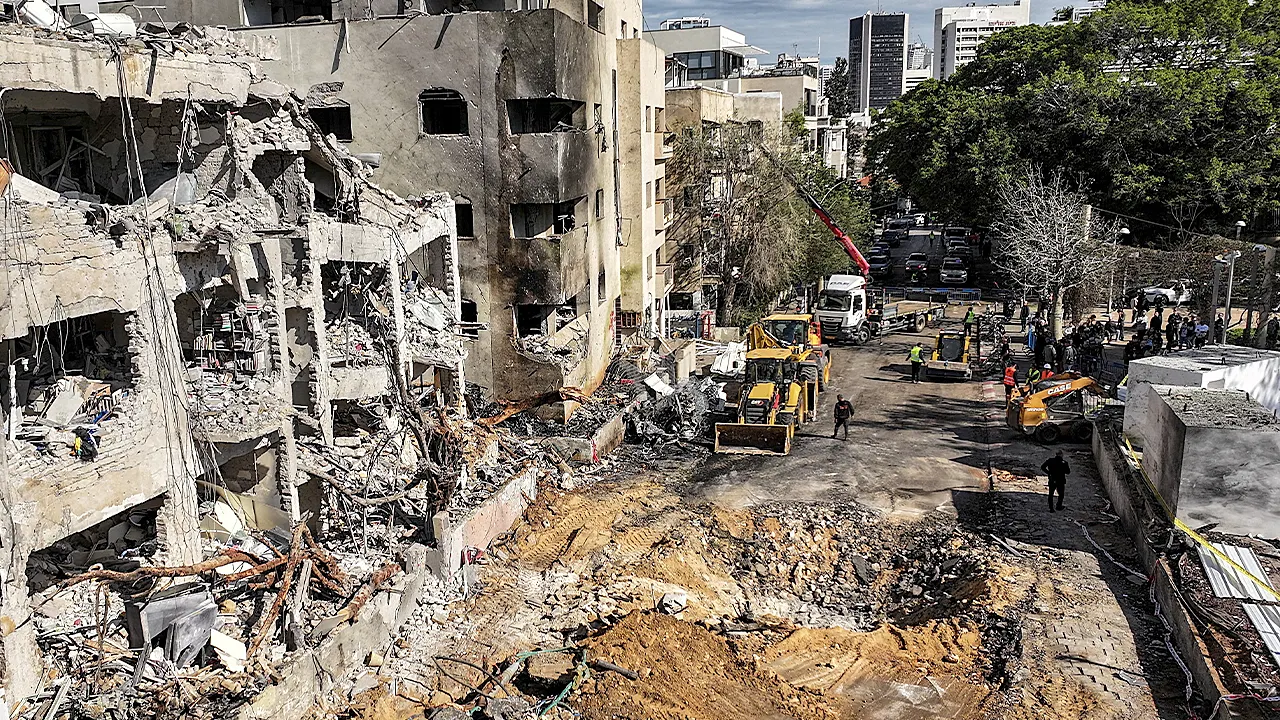
Imagine waking up to the relentless blare of air raid sirens in Tel Aviv, not once but countless times in the last few weeks, as family and friends scramble for bomb shelters—that’s the grim reality unfolding in Israel amid this regional powder keg. On what experts are calling day 11 of Operations Epic Fury and Roaring Lion, a joint U.S.-Israeli effort targeting Iran, the conflict has taken a terrifying turn. Hezbollah, Iran’s key proxy in Lebanon, has thrown its full weight into the fray, launching synchronized attacks that mark a clear escalation. National security expert Kobi Michael, huddling in his own shelter near Tel Aviv, told Fox News Digital that Hezbollah’s rockets and drones are now firing in perfect harmony with Iranian missiles. It’s as if two predators have decided to hunt as one pack, making Israel’s defenses—already stretched thin—look like a fragile net against a swarm of angry wasps. Michael isn’t just theorizing; he’s living this nightmare, feeling the ground shake with each outgoing Israeli airstrike and worrying about the civilians forced to live in perpetual fear. The intent here is unmistakable: to wear down Israel’s resolve through sheer attrition, targeting not just military installations but everyday people—schools, homes, and hospitals. As someone who’s followed Middle Eastern geopolitics for years, I can’t help but feel a knot in my stomach; this isn’t just warfare—it’s a deliberate campaign to break spirits. When Michael describes how Israeli citizens are spending most nights in shelter rooms, avoiding windows and rationing breaths between sirens, it’s personal. You picture parents whispering reassurances to trembling children, while outside, the night sky lights up with the ominous orange glow of exploding munitions. And now, with Iran confirming they’ve employed cluster bombs—those vile weapons banned by over 120 countries since the 2008 Convention on Cluster Munitions—the stakes feel even more barbaric. These aren’t precision strikes; they’re scattershot tactics designed to blanket areas with dozens of smaller bomblets, each capable of raining indiscriminate death. Even Israel’s robust Iron Dome system is struggling, with reports suggesting half these incoming horrors are nearly impossible to intercept. It’s heartbreaking to think of the human toll: civilians caught in crossfire, families shattered by what amounts to a hail of shrapnel from above. Michael’s call for an “appropriate” American-Israeli response echoes the outrage many feel—this is no longer conventional war; it’s a leap toward non-conventional horror, where targeting innocents becomes a twisted art form. As I mull this over, I recall how these munitions burst open high in the sky, spreading like wildfire, making escape a cruel gamble. Fox News correspondent Nate Foy captured the battlefield truth: despite Israel’s defenses holding firm against many threats, these cluster beasts slip through, proving lethal in ways that haunt survivors for life. The irony bites—tools meant for mass destruction, yet weaponized in ways that amplify the chaos. This isn’t just Middle East politics; it’s a reminder of how easily humanity slips into savagery when alliances tether terror groups to state actors. Hezbollah’s entry feels like a tipping point, forcing us all to confront the asymmetry Michael warns about: Israel, a tiny nation, battling neighbors armed with the patience of guerrillas. In my own reflections, I see parallels to historical conflicts where small defeats compound into existential dread, urging us to pray for restraint before this spiral drags more innocent lives into its vortex.
Hezbollah’s Guerrilla Roots and the Haifa Threat
Shifting gears to the northern front, where Lebanon’s southern border bleeds into Israel’s territory, Hezbollah’s tactics reveal a chilling return to their guerrilla warfare origins. Sources within Hezbollah, as reported by Reuters, speak of fighters operating in small, elusive units—disconnecting from traceable comms, hoarding precious anti-tank rockets, and striking like shadows in the fog. This isn’t the haphazard barrage of past skirmishes; it’s strategic, learned from the 2003-2006 Lebanon war, as they brace for what could be a full Israeli ground invasion. Imagine these Radwan special forces, elite and battle-hardened, slipping back into positions near Khiyam, a critical junction where Lebanon meets Israel and Syria. For locals like me who’ve visited those rugged hills, it’s easy to visualize the tense standoff: Iranian-backed militants camouflaged among olive groves, waiting for the IDF’s next move. Michael paints a vivid picture of Haifa, Israel’s northern gem, under “heavy bombing,” with citizens ducking into shelters as if it’s become a routine survival drill. I can almost hear the wail of alarms slicing through the Mediterranean breeze, echoing the fear that grips families torn between normalcy and imminent peril. Hezbollah’s deliberate targeting of civilians—hospitals, schools, even quiet neighborhoods—feels like a psychological assault, designed to erode hope and force evacuations. It’s not just about land; it’s about breaking wills, making every Israeli worry if their home will be next. Drawing from historical parallels, like the Vietcong’s tunnel warfare, Hezbollah’s approach exploits Israel’s geographic vulnerabilities—a tiny country with borders like seams on a frayed shirt. As Michael notes, this asymmetry is unsustainable; Israel can’t afford endless defensive posturing when every rocket costs lives and resources. For instance, consider the daily grind: sirens urging shelter, children missing school, elderly unable to access meds—all while Hezbollah rations ammo to extend the siege. This makes me ponder the human cost—soldiers far from home, families separated, and the toll on mental health. In humanizing this, I think of real people: a mother in Haifa baking cookies for her kids, only to toss them under the table at the next blast. Hezbollah’s revival of guerrilla tactics isn’t random; it’s methodical preparation for attrition, where time favors the patient antagonist. Michael’s insights warn that ignoring this risks Lebanon becoming a Hezbollah stronghold, bleeding Israel dry.
Cluster Munitions: Iran’s Deadly Gamble
Delving deeper into the horror of Iran’s arsenal, the deployment of cluster munitions stands out as a particularly sinister gambit. These aren’t just weapons; they’re a banned curse, outlawed by over 120 nations due to their indiscriminate carnage—tiny bomblets exploding across vast areas, turning battlefields into death traps for civilians. Iran’s confirmation on Tuesday that these were raining down on Israel adds a layer of dread to an already volatile situation. Picture the sky at night, dotted with orange fireballs—each a potential grave for unsuspecting targets below. As Nate Foy relayed from the field, even Israel’s top-tier defenses falter here; about half the incoming Iranian projectiles are these cluster devils, tougher to shoot down and devastating upon impact. For someone like me, following global disarmament debates, this feels like a slap in the face to international norms. The 2008 Convention on Cluster Munitions was born from the ashes of past horrors—think Cambodia, Laos, where unexploded ordnance lingered for decades, maiming farmers and children long after ceasefires. Iran’s choice to use them now, especially against civilian hubs in Israel, screams of a calculated brutality. Michael labels it “non-conventional,” urging a firm response from the U.S.-Israeli alliance. In personal terms, I reflect on interviews with survivors of similar bombings—families torn apart, limbs lost in an instant, emotional scars that never heal. It’s not abstract; it’s real pain inflicted on innocents, from elderly shoppers to playful kids in parks. The warheads burst at altitude, scattering doom like confetti in hell, ensuring no safe haven. This escalation forces me to question Iran’s motives: is it desperation, as Trump’s recent comments suggest they’re running low on launchers, or a bid to intimidate? Either way, humanizing this means imagining the terror of that burst—the thunder, the chaos, the futile scramble for cover. Fox News’ coverage, with its on-the-ground exclusives, brings it home: airstrikes retaliating, but the damage lingers. As tensions mount, I can’t shake the feeling that these munitions symbolize a moral abyss, where state-sponsored terror masquerades as defense. It’s a wake-up call for the world to enforce bans, lest we normalize such barbarity.
Hezbollah’s Strongholds Under Fire and Evacuation Orders
Meanwhile, Israel’s retaliation has zeroed in on Hezbollah’s heartlands, particularly Beirut’s southern suburbs, known as the Dahiyeh. As Tuesday night unfolded, the IDF unleashed airstrikes on key infrastructures—command centers, supply lines, and shadowy bunkers—after issuing stern evacuation warnings to civilians trapped in the mix. This isn’t hit-and-run; it’s a calculated push to dismantle Hezbollah’s operational nexus, echoed in the IDF’s X post: “This is what we’re operating against.” For those familiar with Lebanon, the Dahiyeh is more than a stronghold—it’s a labyrinth of alleys, markets, and homes where Hezbollah blends seamlessly with daily life. Evacuating means upheaval: families packing belongings, elders relocating, children bewildered by the sudden exodus. Reuters sources reveal Hezbollah’s focus on ground combat near Khiyam, anticipating an Israeli land grab that could turn the tide. Hephaestus-like in their provocations, these strikes heighten the stakes, forcing us to empathize with Lebanese civilians—caught in a crossfire not of their choosing, yet blamed by association. Michael’s prediction of Israel establishing a security buffer zone along the Litani River resonates as prudent, but at what cost? Picture the displaced: mothers carrying toddlers through rubble-strewn streets, fathers mourning lost livelihoods. Hezbollah’s Iran-backed resilience means they’re dug in, using lessons from past wars to adapt, like avoiding tech that could betray their positions. This humanizes the conflict’s underbelly—rivers of refugees, broken communities, and the enduring trauma of war. As an observer, I draw from Lebanon’s history of invasions and rebuilds, urging dialogue before more lives are lost. The hope pinned on President Trump’s leadership, as Michael expresses, is that he won’t “declare victory” prematurely, leaving embers for future flames. In this siege, every strike and siren reminds us: war ravages everyone, demanding empathy over enmity.
Tel Aviv’s Emergency Routine and Broader Implications
Back in Tel Aviv, the emergency routine has become a harrowing norm, with sirens piercing the dawn and dusk, compelling residents to hunker down in reinforced rooms. Michael describes a city on edge, where life grinds to shelters and whispered fears—the asymmetry of facing Iran and Hezbollah’s orchestrated fury weighing heavily on a populace already scarred by history. It’s not just inconvenience; it’s existential dread, where staying put means windows shuttered, routines disrupted, and mental health fraying. I often think of Tel Aviv as the vibrant heart of Israel—café culture clashing with the sting of global headlines. Now, it’s a fortress under attack, civilians rationing sanity amid the barrage. Michael warns that Israel, compact and resourceful, can’t sustain this attrition indefinitely—a small nation battling giants armed with proxies. The broader implications ripple outward: Hezbollah’s full entry into the war signals Iran’s bold orchestration, potentially accelerating Gulf states’ warming ties to Israel, as predicted by former CENTCOM director Kenneth Pollack. Trump’s claim that Iran is “running out of launchers” offers cautious optimism, yet the unfolding chaos echoes Hegseth’s critique—Britain’s stance amid Iran’s “chaotic retaliation” pushing allies closer to American orbits. Humanizing this, I envision Tel Aviv’s streets: empty at night, bomb shelters doubling as family hubs, people sharing stories of resilience. The challenge to air defenses with cluster munitions underscores the need for advanced tech, but also for diplomacy. As nations condemn these strikes, I reflect on the potential for unified action against such barbarism. This isn’t isolated; it’s a regional tremor, urging global powers to intervene before escalation spirals. For Israelis, it’s personal—fathers coaching sons on drills, mothers comforting through tears—mirroring the universal plea for peace in turmoil.
Reflections on Response and the Path Forward
Wrapping up this harrowing saga, the coordinated strikes by Iran and Hezbollah demand a response that’s not just military but morally resolute. Michael’s plea for an “appropriate” U.S.-Israeli counterpoints the condemnation of cluster munitions as non-conventional threats, banned yet brazenly ignored. In humanizing this, I ponder the lives at stake—celebrities and clerks alike, united in vulnerability, seeking solace in shelter banter or online solidarity. The IDF’s strikes on Hezbollah’s Lebanese bastions aim to secure Israel’s north, preventing rockets from Haifa’s shores to Tel Aviv’s towers. Yet, asymmetry prevails: Israel’s precision versus Hezbollah’s guerrilla persistence, Iran’s munitions raining widespread peril. Trump’s observations provide a glimmer—enemies weakening, allies aligning—but the toll on civilians cries for restraint. As Fox News’ audio feature invites us to “listen” to these stories, it bridges distance, turning headlines into heart-wrenching narratives. In conclusion, this escalation isn’t just geopolitics; it’s a call to humanity. We must humanize the victims—Israeli families sheltering, Lebanese fleeing—advocating for bans upheld and dialogues renewed. Michael’s hope for Trump’s resolve reminds us: victory means leaving no ‘wounded lions’ to strike again. Moving forward, empathy must guide action, lest the cycle of retribution devours us all. The world watches, urging peace before the next siren sounds.