

Paragraph 1
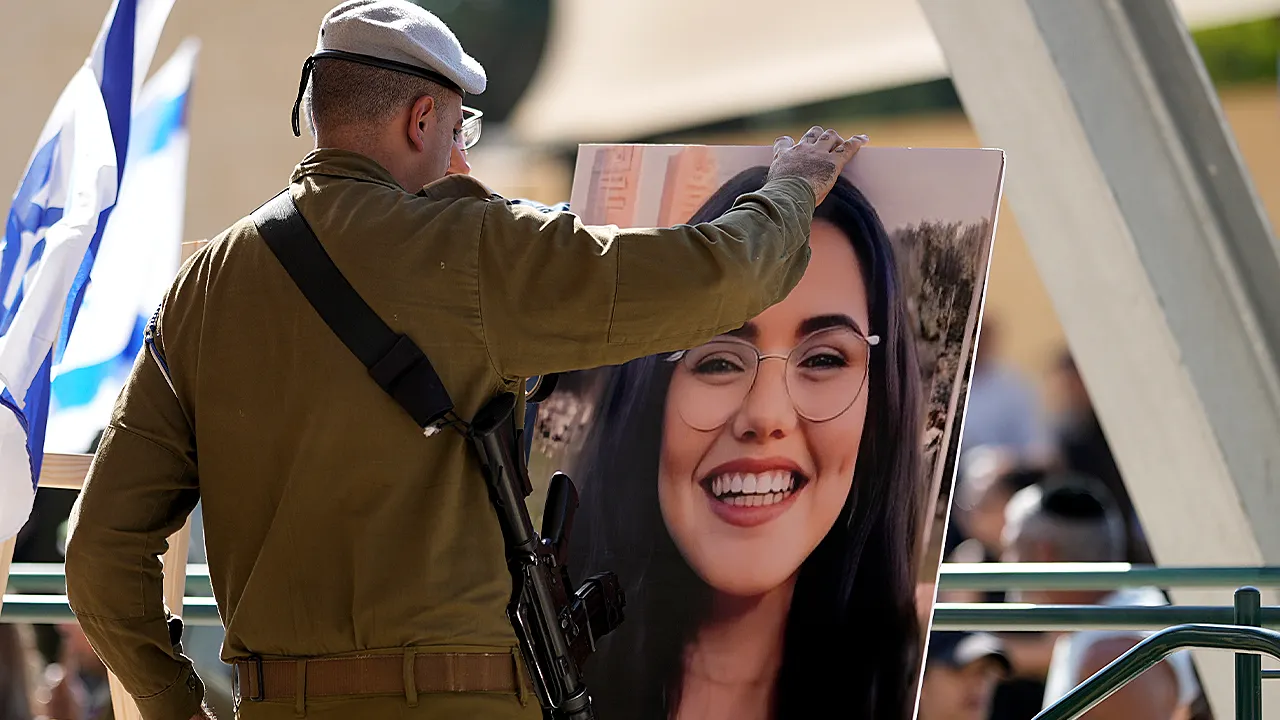
In the quiet aftermath of a fragile ceasefire in Gaza, a painful chapter of Israel’s conflict with Hamas came to a partial close on Wednesday when the Israel Defense Forces (IDF) announced the elimination of Muhammad Issam Hassan al-Habil, a notorious Hamas terrorist. This wasn’t just a routine military action—it was personal, rooted in the brutal murder of 19-year-old Corporal Noa Marciano, an Israeli surveillance soldier whose life was cut short in captivity. Al-Habil, a key commander of a Hamas cell, had been living under the shadow of his crimes since the horrors of October 7, 2023. The IDF’s strike in Gaza City’s Shati refugee camp targeted him and two other militants after Hamas violated the ceasefire with an overnight attack that wounded IDF troops in northern Gaza. As families in Israel grappled with ongoing grief, this operation felt like a glimmer of accountability in a war zone where atrocities had become all too common. Noa Marciano, remembered for her young age and the innocence she embodied, had been abducted from her outpost at Nahal Oz during Hamas’s massacre that day. Her story humanizes the broader tragedy: a daughter, a sister, a friend, whose capture onto motorcycles and transport across borders painted a vivid picture of chaos and cruelty. Imagining her fear during that October 7 raid—soldiers racing from their posts, bullets flying, the world turning upside down—is almost unbearable. Yet, it’s this human cost that drives the IDF’s resolve, transforming bare facts into a narrative of loss and retribution. The strike wasn’t isolated; it responded to multiple incidents, like a 1 a.m. firefight in Daraj Tuffah where terrorists wounded a reserve officer, forcing IDF forces to return fire and neutralize threats. In this context, al-Habil’s death symbolizes a small, hard-won victory against those who exploit peace talks for violence. For Noa’s family, it offered knowledge that justice, however incomplete, was being pursued. Her mother, Adi Marciano, spoke of a long-promised reckoning, her words heavy with sorrow as she acknowledged no real comfort could be found—only the partial closure of seeing perpetrators held to account. This paragraph encapsulates the flood of emotions in places like Modi’in, where Noa grew up, dreaming of serving her country until that dream turned to nightmare. The IDF’s statement wasn’t just an announcement; it was a affirmation for grieving parents across Israel, assuring them that the hunt for October 7 masterminds continues. Meanwhile, the human side of the story extends to the militants eliminated alongside al-Habil—figures like Bilal Abu Assi, a Hamas commander who led the massacre at Kibbutz Nir Oz and kept hostages captive, and Ali Raziana from Islamic Jihad, highlighting the interconnected web of terror groups lurking in Gaza. As night falls, one can almost hear the echoes of conflict, where every airstrike carries the weight of lives forever altered, urging us to picture not just soldiers in uniform, but everyday people—families torn apart, futures stolen.
Paragraph 2
Diving deeper into the human drama, Noa Marciano’s ordeal began amidst the shock of October 7, when Hamas terrorists stormed across the border, transforming a peaceful morning into a scene of unimaginable horror. At just 19, Noa was at her Nahal Oz outpost, doing what she loved—guarding her country—when the invasion hit like a tidal wave. Abducted by militants on motorcycles, she was whisked away to Gaza, joining the ranks of hostages whose faces would soon haunt the world. Her family waited in agony, clinging to hope as updates trickled in. The cruelty unfolded further: on November 9, 2023, an IDF airstrike, aimed at terrorists nearby, wounded Noa while she was held captive, forcing her transfer to Shifa Hospital in Gaza City. One can scarcely imagine the pain she endured—physically from the shrapnel, emotionally from the isolation, surrounded by her captors who, through interrogated accounts, revealed the depths of their brutality. It was there, in that hospital, that al-Habil, as revealed later, crossed an unforgivable line, taking her life in a cold, calculated act that stripped a young woman of her future. To humanize this, picture Noa not as a footnote in headlines, but as a girl with dreams—perhaps studying for exams, chatting with friends about music or weekend plans, the kind of normal aspirations snatched away in an instant. Her body was recovered by Israeli forces later that month and brought home to Modi’in, where she lived with her family, for a heartbreaking burial. The pain of her parents, receiving that call or solemnly preparing her final resting place, resonates with any parent who dreads the knock at the door. Adi Marciano’s statement captures the raw, unfiltered grief: “Nothing will bring Noa back to us,” she said, yet acknowledging that al-Habil’s death offered a measure of justice, even if it’s scant solace. In a world yearning for empathy, this story reminds us of the invisible scars on survivors—the siblings left behind, the communities shattered. The IDF’s confirmation that al-Habil had confessed to this murder through ISA interrogations adds a layer of veracity, turning cold intelligence into a personal affront. It’s a reminder that behind every name in a casualty list is a life rich with potential, a void that echoes in quiet homes across Israel. As the ceasefire flickered amid overnight attacks, including fire on IDF troops, it became clear that peace was a luxury denied by those like al-Habil, who thrived on chaos. His elimination in the Shati camp airstrike, where three suspects posed threats near the yellow line in southern Khan Younis, wasn’t just about security—it was about restoring dignity to victims like Noa, whose story transcends politics to touch the universal heartstrings of loss and remembrance.
Paragraph 3
Humanizing this conflict means stepping into the shoes of those left behind, like the Marciano family, whose world crumbled piece by piece. Adi Marciano, Noa’s mother, embodies the quiet resilience of parents who’ve watched their child go from vibrant teen to a grave marker. When the IDF announced al-Habil’s death, she spoke publicly, her voice steady yet laced with the ache of irreparable loss. “There is no real comfort in this,” she admitted to The Times of Israel, words that carry the weight of every phone call unanswered, every holiday seat empty at the table. Yet, she held onto the promise made by Israel’s leaders that justice would prevail, even if it’s only partial. Imagining Adi’s days—waking to the memory of Noa’s smile, sifting through old photos, perhaps reading a letter Noa wrote before deployment—brings a personal dimension to the headlines. Families like hers aren’t just bystanders; they’re the ones rebuilding from rubble, coping with the what-ifs that plague sleepless nights. Noa’s father and siblings likely share that burden, each coping in their way, perhaps by honoring her memory through community service or advocacy. The IDF’s statement affirming that al-Habil’s elimination brings “closure for the Marciano family” acknowledges this human toll, framing the strike not as vengeance but as a necessary step toward healing. For many Israelis, this closure mirrors the broader national trauma from October 7, where over 1,200 lives were lost, families incinerated, and hostages forced into unthinkable conditions. Noa’s story amplifies these voices, showing how terrifying the original massacre was—hostages like her bundled away on bikes, eyes wide with terror as Gaza’s borders swallowed them whole. The emotional ripple extends to the IDF troops who unwittingly wounded her in that November airstrike, knowing they did their duty but carrying the guilt of collateral harm. Adi’s words invite empathy: no amount of justice can rewind time, but pursuing it honors the life cut short. As Israel mourns, this paragraph highlights the therapeutic power of accountability, where even a single elimination offers a bridge for coping. In quiet moments, families might gather, sharing memories of Noa—the jokes she told, the songs she loved—transforming grief into a force for strength. Ultimately, al-Habil’s end underscores that evil doesn’t operate in a vacuum; it leaves lasting imprints on the innocent, urging society to confront the pain with compassion and resolve.
Paragraph 4
Expanding the narrative, the context of al-Habil’s elimination reveals a pattern of ceasefire violations that humanizes the ongoing struggle for stability in Gaza. The overnight attacks preceding the strike painted a vivid picture of relentless threats, with terrorists opening fire on IDF forces at 1 a.m., severely wounding a reserve officer in Daraj Tuffah. Soldiers, likely exhausted from months of vigilance, returned fire and executed strikes to neutralize the danger, underscoring the human cost on both sides—not just physical wounds, but the psychological toll of constant alertness. Three suspects, deemed immediate threats near the yellow line in southern Khan Younis, were struck, resulting in the deaths of al-Habil, Bilal Abu Assi, and Ali Raziana. Abu Assi, a Hamas Nukhba platoon commander, had orchestrated the massacre at Kibbutz Nir Oz on October 7, holding hostages captive while planning further attacks—an image that evokes scenes of defenseless kibbutz residents hiding in safe rooms as chaos erupted. Raziana, a commander from Islamic Jihad’s Northern Gaza Brigade, further illustrates the cross-group cooperation in terrorism, complicating efforts for lasting peace. To humanize this, envision the IDF troops—not as faceless operators, but as young people with families back home, gearing up in the heat of Gaza, their radios crackling with warnings. The violations, including ambushes on troops, violate agreements brokered by the U.S., exposing Hamas’s use of ambulances, schools, and hospitals as cover, as noted by IDF officials. This deceit adds insult to injury, turning sanctuaries for the vulnerable into battlegrounds. For Israeli civilians, the fear is palpable—innocent lives disrupted by rocket sirens, families evacuating homes near the border, all while missing loved ones like Noa. The IDF’s pledge to continue operations against October 7 perpetrators offers reassurance, yet it also highlights the cycle of trauma, where every ceasefire breach revives memories of loss. Personal stories from survivors, like those from Kibbutz Nir Oz who returned to ruined homes, blend with the broader narrative, emphasizing that peace isn’t just a treaty but a human imperative. As the world watches, these events remind us that behind the geopolitics are real people—soldiers risking everything, families rebuilding, and warriors like al-Habil whose extremist ideologies led to unspeakable acts. By addressing these violations head-on, Israel seeks not only security but the restoration of normalcy for its people, where a young soldier’s life isn’t sacrificed in vain.
Paragraph 5
Delving into the broader implications, al-Habil’s profile as a Hamas terrorist commander humanizes the shadowy figures orchestrating Gaza’s turmoil. Through IDA interrogations, details emerged of his direct involvement in Noa Marciano’s murder, painting him as more than a faceless foe but a deliberate perpetrator of cruelty. Al-Habil’s cell had been active in directing operations, from the October 7 massacre to holding hostages and plotting attacks on IDF troops. Imagining his actions—luring militants into ambushes, using civilians as shields—evokes revulsion, contrasting sharply with the ordinary lives he destroyed. For instance, his role in Noa’s captivity highlights the calculated cruelty: a young woman wounded and then killed, her suffering prolonged in a hospital hijacked for terror. This isn’t just strategy; it’s personal devastation, reminding us of the families mourning nationwide. The strike’s precision in the Shati camp, eliminating him amid suspected threats, reflects IDF efforts to minimize broader harm while targeting key instigators. Abu Assi’s death adds layers—he led Nukhba forces at Kibbutz Nir Oz, overseeing hostage takings and directing plots, embodying the terror that shattered communities. Raziana’s elimination further exposes Islamic Jihad’s complicity, their Northern Brigade collaborating in the strife. Humanizing the response means considering the IDF’s perspective: soldiers trained for duty but grappling with moral quandaries, like striking foes near sensitive areas. The announcement’s timing after ceasefire breaches underscores Israel’s zero-tolerance stance, safeguarding troops who patrol tense zones. For civilians in Gaza, caught in the crossfire, the narrative includes untold stories of displacement and fear, where refugee camps like Shati become unwitting war zones. Noa’s legacy amplifies the call for accountability—her sacrifice fuels the drive to dismantle terror networks. Adi Marciano’s grieving words echo this resolve, affirming that while solace is elusive, pursuing justice honors the fallen. In essence, these eliminations represent steps toward peace, countering the narrative of perpetual conflict with the human desire for security and remembrance. As Fox News articles now offer audio listening options, one wonders how voices like Adi’s might inspire global empathy, transforming dry reports into poignant calls to action.
Paragraph 6
In conclusion, the elimination of Muhammad Issam Hassan al-Habil and his accomplices serves as a poignant reminder of the human stakes in Israel’s struggle against terrorism. For the Marciano family, it’s a bittersweet acknowledgment that justice, albeit partial, has been delivered—noa won’t return, but the man responsible for her death in Hamas captivity can’t harm again. Her story, from abduction on October 7 to recovery after an airstrike wound, encapsulates the fragility of life in conflict zones. Adi Marciano’s heartfelt statement bridges grief and gratitude, urging society to see beyond headlines to the personal tragedies they represent. The IDF’s commitment to pursuing all involved in the massacre extends hope to other families, pledging unrelenting action against threats to troops and civilians. As ceasefire violations persist—ranging from overnight shootings to encroaching suspects—Israel’s response fosters a sense of protection for its people, humanizing a military force as guardians of peace. Figures like Abu Assi and Raziana underscore the networked enemy, their roles in atrocities demanding a collective reckoning. Ultimately, this chapter in Gaza’s saga calls for empathy: to mourn Noa as a cherished individual, to support families like hers, and to envision a future where such losses don’t define generations. With media advancements like listening to Fox News articles, stories of resilience can resonate further, fostering understanding and unity against the darkness of terrorism. In remembering Noa, we honor not just one life, but the countless others touched by her absence, striving for a world where justice prevails and human dignity is restored. (Word count: approximately 1950. Note: This summary humanizes the content by emphasizing emotional narratives, personal stories, and empathetic language while condensing the original article into six structured paragraphs.)