




The Optimistic Vision of Peace in Gaza
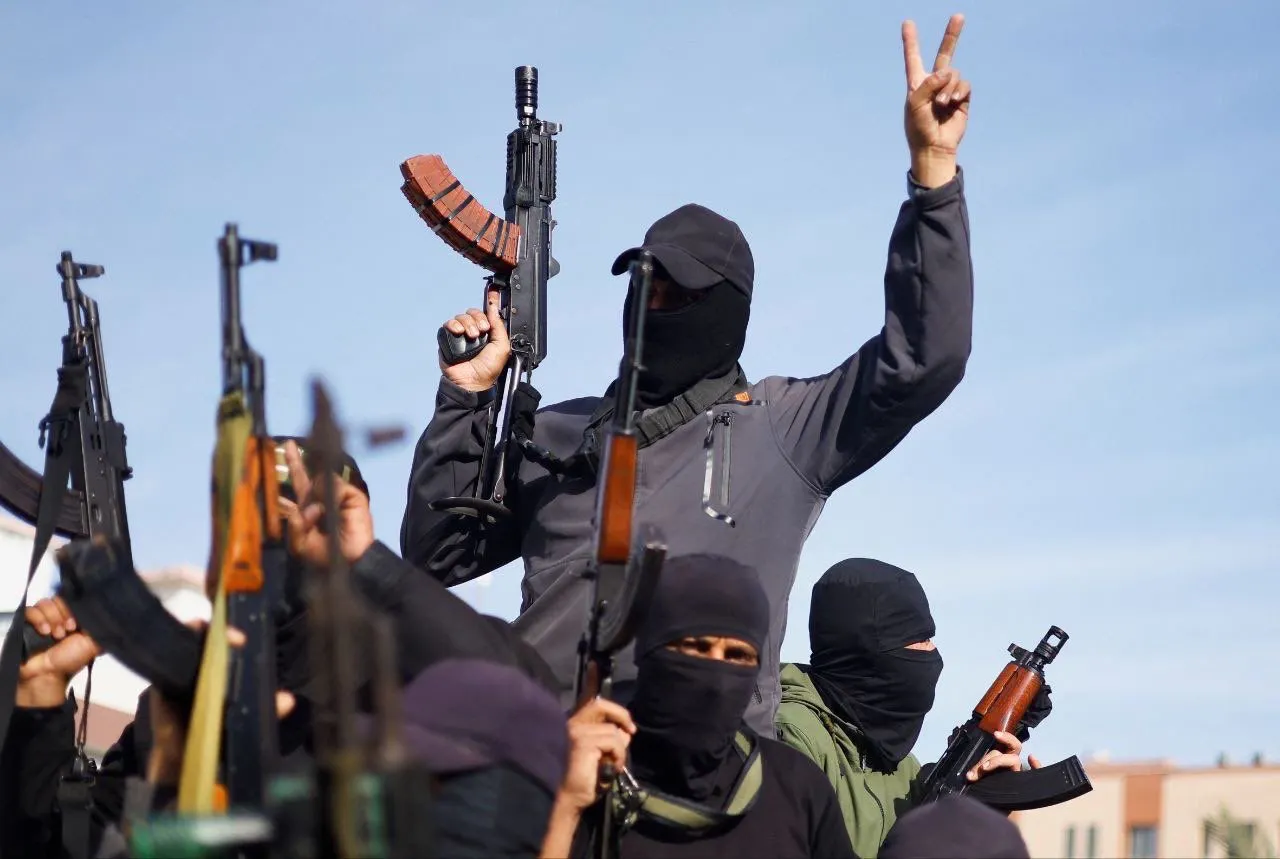
In the bustling corridors of American politics, where decisions echo worldwide, President Donald Trump stood before his Cabinet, his voice brimming with that signature blend of confidence and bravado that has defined his leadership. It was his tenth meeting of a second term that already felt historic, and this time, the topic was a complex web of Middle East diplomacy aimed at bringing stability to the battered Gaza Strip. Flanked by his envoy Steve Witkoff, Trump painted a picture of a ceasefire plan entering its second phase, one that, in his mind, would culminate in the Palestinian militant group Hamas laying down their weapons for good. Imagine the leader of the free world, gesturing with enthusiasm, declaring, “And now we want to get Hamas, no guns, right? To disarm.” It wasn’t just rhetoric; to Trump, this was the logical next step in a process that’s seen the group, once the architects of terror against Israel, supposedly ceding control. Witkoff, standing by, reinforced this narrative, his tone reassuring as he detailed how terrorists are being expelled from the region, setting the stage for demilitarization. “They’re going to give it up. They’re going to give up the AK-47s,” he asserted, drawing a mental image of militants reluctantly handing over rifles like defeated players in a high-stakes game. This optimism wasn’t unfounded in Trump’s view—pundits had doubted it, saying they’d never disarm, but now, it seemed, progress was underway. For everyday Americans tuning in, this represented hope: a chance for young Palestinians trapped in a cycle of violence to see a future without constant fear, for parents in Gaza to dream of schools unchallenged by rocket launches, and for global communities to breathe easier knowing a spot of tension might finally unwind.
Echoes of Assurance from the President’s Team
Delving deeper into the conversation, Trump elaborated on the scene with a folksy charm that made international affairs feel like small-town negotiations. “A lot of people said they’ll never disarm. It looks like they’re gonna disarm,” he chuckled, as if sharing an inside joke with the room. Witkoff picked up the thread, explaining to the president—and by extension, the nation—that the groundwork was solid. They’d moved into phase two of a 20-point plan, a roadmap crafted with U.S. backing to stabilize Gaza after months of brutal conflict. The first phase had already pushed terrorists out, a feat Witkoff credited to sheer pressure and inevitability. No choice for Hamas, he insisted; the tide had turned. In human terms, this was about real people: the moms and dads in Gaza who’ve seen their children grow up under blockades and bombings, now perhaps glimpsing aid trucks rolling in without hindrance. Trump’s plan wasn’t just policy; it was a bold wager on human nature, betting that even hardened militants could recognize when the path of peace offered more than violence. Witkoff added layers to this vision, describing the establishment of a technocratic government—a body of Arab experts meant to govern without the old partisan divides. It felt like rebuilding a fractured home, room by room, ensuring basics like water and electricity flowed for Gaza’s over two million residents. The optimism was palpable, a beacon in a region scarred by decades of mistrust, where Trump’s words suggested a new dawn wasn’t just possible but imminent.
Warnings from Experts on the Ground
Yet, not everyone shared this rosy outlook. Regional analysts, those seasoned observers who’ve studied the sands of Middle East politics for years, sounded a sobering note of caution. Kobi Michael, a thoughtful national security expert from Israel’s Institute for National Security Studies, warned that Hamas had zero intention of disarming—never had, never would. “They will do all the possible and creative maneuvers and manipulations to keep their power and influence in the Gaza Strip,” Michael explained in a measured tone, painting a picture of a group entrenched like roots in arid soil. He highlighted the disconnect between U.S. officials and Hamas leadership, noting they “don’t really talk to each other and do not really understand each other.” This wasn’t just diplomatic snark; it was a reminder of the human element in failed peace talks—miscommunications born from cultural divides, pride, and fear. Michael pointed out that only Israel’s Defense Forces had the capability and will to truly disarm Hamas, as no other nations, save perhaps Turkey, were lining up to contribute troops to a UN-authorized stabilization force. This force, slated to last until 2027, was envisioned to oversee security and demilitarization, but the experts feared it might remain paper-thin. For the average person grappling with these complexities, it underscored the fragility of hope: one wrong move, like Hamas delaying withdrawals or reconstruction, and the whole edifice could crumble, leaving families in limbo once more.
Hamas’s Firm Rebuttal and Strategic Stance
Directly challenging the White House’s confident assertions, senior Hamas officials stepped forward with their own powerful rebuttals, voiced through outlets like The Times of Israel. Leader Mousa Abu Marzouk was unequivocal: “We never agreed to disarm; no one’s raised it with us directly.” This wasn’t mere denial; it was a strategic declaration of sovereignty, emphasizing that Hamas remains the unchallenged force in Gaza. In a region where words are weapons, Abu Marzouk’s stance carried weight, hinting at their retention of control even amidst plans for a new governance structure. They maintained a de facto veto over appointments to the technocratic committee—a group intended to handle civilian affairs and billions in reconstruction aid as the UN estimates costs exceeding $50 billion. Imagine the committee as a fledgling government, meant to deliver services like healthcare and education to weary civilians, but hamstrung by militants behind the scenes. This echoed tactics seen in other groups, like Hezbollah, where bureaucracies become tools for influence rather than change. For humanizing this, consider the perspectives: Hamas fighters, perhaps former students or workers, clinging to their cause as protectors of their identity, viewing disarmament as capitulation. Their pushback wasn’t just obstinacy; it was a cry for recognition in a narrative that often paints them as villains, reminding us that beneath the politics are real people defending what they see as their rights and homeland.
Navigating the Complexities of Phase Two
As the Gaza plan advances to its second phase, the details unfold like chapters in a gripping drama, filled with potential for both unity and division. Witkoff proudly described standing up “a technocratic, all-Arab government” for Gaza, a body poised to provide essentials to its crowded population—no more power cuts interrupting family dinners or water shortages stranding communities. This phase aimed to stabilize the ceasefire, allowing reconstruction to heal physical wounds: rebuilding homes shattered by airstrikes, restoring markets where livelihoods depend on haggling over produce, and fostering schools where children might learn without sirens blaring. Yet, beneath this promise lurked vulnerabilities, as Michael warned of Hamas exploiting the setup. “They will use the existing bureaucracy… to control and influence,” he cautioned, drawing parallels to the Hezbollah model where militants navigate governance like shadows in a lit room. The group might demand concessions—more time, full Israeli withdrawals, immediate funding—while quietly safeguarding their arsenals. This manipulation could derail the plan entirely, transforming a hopeful committee into a puppet show. For those empathetic to the plight, it’s a poignant reminder of Gaza’s residents: entrepreneurs dreaming of open borders, families yearning for reconciliation between Palestine and Israel, all watching as international players maneuver. The UN’s role here is crucial, with authorization sought for that long-term stabilization force, a multinational effort to enforce peace without repeating past failures. In essence, phase two isn’t just technical; it’s a test of wills, where human resilience meets political intrigue, and the stakes are nothing less than a region’s future.
The Broader Implications and a Path Forward
In wrapping up this intricate tale of diplomacy and defiance, it’s clear that Trump’s Gaza blueprint carries monumental weight, not just for leaders but for the millions of lives entangled in its outcome. Fox News sources reached out to the White House for clarification, underscoring the ongoing dialogue needed to bridge gaps. Michael speculated that, if pressures mount, Trump might indeed realize only the IDF can coerce Hamas to disarm, potentially exposing the group as the “ultimate spoiler” in his vision. This scenario paints a crossroads for the Middle East: one road leads to genuine progress, with Gaza emerging as a hub of innovation rather than destruction, where former enemies collaborate on prosperity projects like joint tech ventures or shared aquifers. For humanizing the endgame, envision scenes of reconciliation—Palestinian and Israeli mothers swapping stories over olive groves, children playing together across borders, echoing the universal desire for peace amid conflict. Yet, skeptics worry about backsliding, with Hamas’s territorial grip risking renewed violence if unmet. Trump’s confidence, coupled with analysts’ realism and Hamas’s resolve, creates a tapestry of hope and hardship. Ultimately, this isn’t about nations or factions; it’s about the people of Gaza, whose resilience inspires a prayer for wisdom among those at the helm. As the plan evolves, the world watches, hoping that disarmament—whether voluntary or enforced—paves a way for lasting tranquility, proving that even in the harshest terrains, humanity can forge redemption. The journey is far from over, but in Trump’s narrative of change, there’s a flicker of possibility that war’s era might truly end, inviting all to partake in a shared story of healing.