


Hamas Rebuilding Terror Apparatus During Israel Ceasefire
In the shadows of a fragile ceasefire with Israel, Hamas is quietly rebuilding its terror infrastructure across Gaza, according to Professor Kobi Michael, a senior researcher at the Institute for National Security Studies and the Misgav Institute. The pause in fighting has created a dangerous opportunity for Hamas to regroup and strengthen its position, with alarming implications for regional security. “Everything that is happening will continue happening as long as Hamas continues to effectively control the western part of the Gaza Strip,” Michael warns. With Israeli forces withdrawn from significant portions of Gaza under the October ceasefire framework, Hamas has exploited the resulting power vacuum to reassert control over approximately half of the territory, reestablishing its governance structures and military capabilities with “full freedom of movement.”
The ceasefire period has witnessed Hamas methodically reclaiming its authority in areas previously cleared by the Israel Defense Forces (IDF). Police forces loyal to the organization have returned to the streets, while suspected opponents have reportedly been targeted and executed. This troubling pattern of reconsolidation follows a predictable playbook, as Hamas fills the void left by Israeli withdrawals. According to Michael, the organization is taking advantage of its renewed freedom of movement to rebuild tunnels, appoint new governors to different districts in Gaza, reconstitute its government structures, and replenish military stockpiles. The Jewish News Syndicate has documented this resurgence, reporting that Hamas is “actively rebuilding its regime of terror” across nearly half of its former territory.
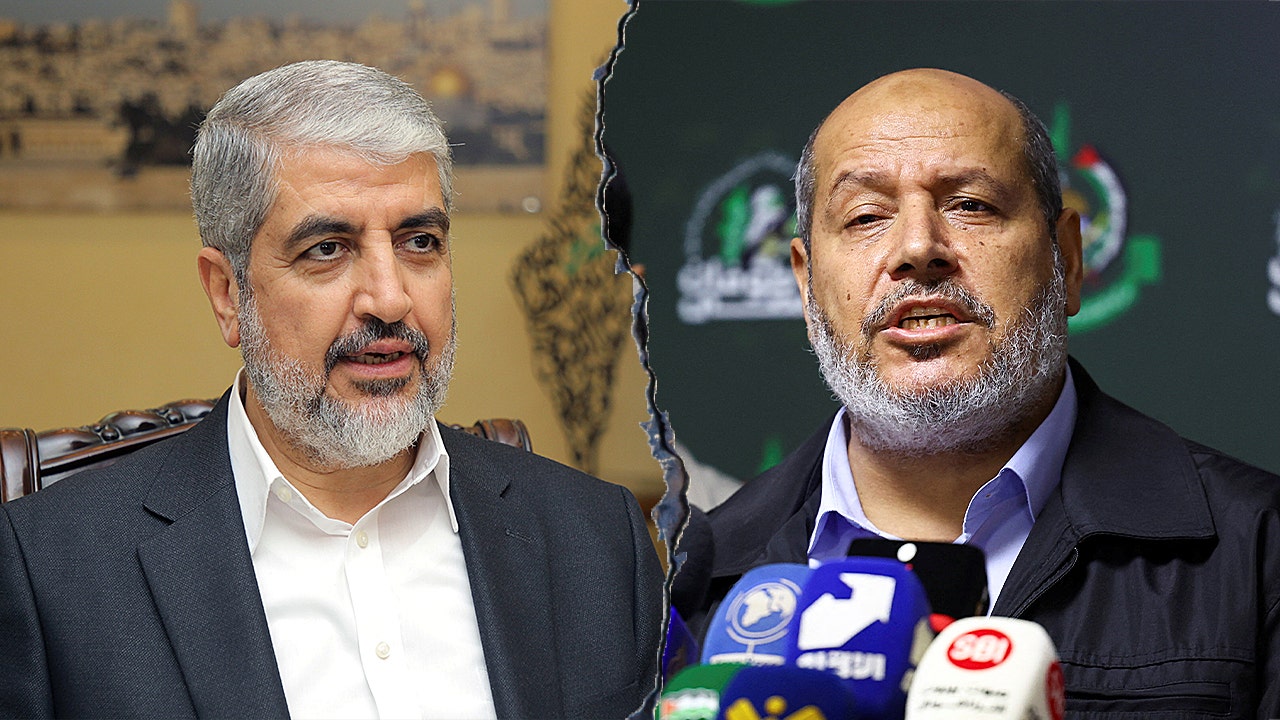
Following the deaths of key leaders Ismail Haniyeh and Yahya Sinwar (the mastermind behind the October 7 massacre), Hamas is preparing to elect new leadership, with senior figures Khalil al-Hayya and Khaled Mashaal emerging as the primary contenders. According to The Jerusalem Post, Hayya appears to be the favorite due to his popularity in Gaza and connections in the West Bank. However, Michael cautions that this leadership transition is unlikely to moderate the organization’s extremist orientation: “Both leaders are problematic. Each one, in his own way, is considered to be more militant and more radical in his Gazan orientation and his support for armed resistance.” Even Mashaal, sometimes portrayed as more politically pragmatic, remains committed to violent resistance against Israel. As Michael bluntly states, “When it comes to Hamas, it doesn’t really matter who is going to be the next political leader of this terror organization” – their fundamental objectives remain unchanged.
Perhaps most disturbing is Hamas’s aggressive recruitment of teenagers during the ceasefire period. The organization has positioned itself as “the most reliable employer in the Gaza Strip,” offering modest incomes to boys as young as 16 or 17. This recruitment strategy exploits both economic desperation and personal grievances, creating a dangerous pipeline of new fighters. “It has become very easy for Hamas to recruit teenagers now because they effectively control the western part of the Gaza Strip,” Michael explains. Many young recruits have lost family members in the conflict, providing a powerful “revenge incentive” that Hamas readily manipulates. The social dynamics also play a role, with some youth drawn to what Michael describes as “bullyish-types of neighborhoods, like in the ghettos in Chicago,” where membership in armed groups confers status and a sense of belonging in an environment with few legitimate opportunities.
The ceasefire itself represents a strategic victory for Hamas, providing the breathing space necessary to rebuild its military capabilities while preventing Israel from completing its mission to dismantle the organization’s infrastructure. Recent events have demonstrated the fragility of the arrangement, with two IDF soldiers killed in what was described as a “severe” ceasefire violation. Michael suggests this is unlikely to be the last such incident as Hamas continues to exploit the situation. The organization’s resilience is particularly concerning given its demonstrated capacity for extreme violence, as evidenced by the October 7 attacks that precipitated the current conflict. Without sustained pressure, Hamas appears poised to emerge from this period with renewed strength and a fresh generation of fighters indoctrinated in its ideology of armed resistance.
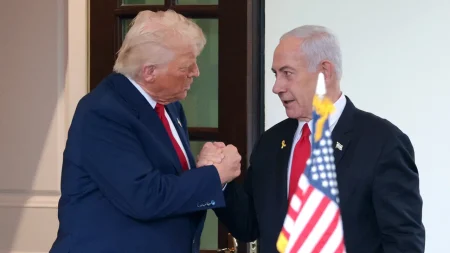
International stakeholders face difficult choices regarding Gaza’s future governance. Former President Trump has issued stern warnings that Hamas fighters will be “hunted down, and killed” unless Israeli hostages are released, signaling potential escalation if diplomatic efforts fail. Meanwhile, the humanitarian situation in Gaza remains dire, with civilians caught between Hamas control and the devastation wrought by months of conflict. Professor Michael’s assessment suggests that the fundamental problem remains Hamas’s continued control over significant portions of Gaza, which enables its ongoing recruitment, reorganization, and rearmament efforts. Until this dynamic changes, the cycle of violence threatens to continue, with each pause in fighting potentially strengthening rather than diminishing the terror organization’s capacity to inflict harm. As peace negotiations continue, the sobering reality is that Hamas appears to be using this opportunity not to pursue reconciliation, but to prepare for future conflict.