



Greenland Resists Trump’s Acquisition Ambitions
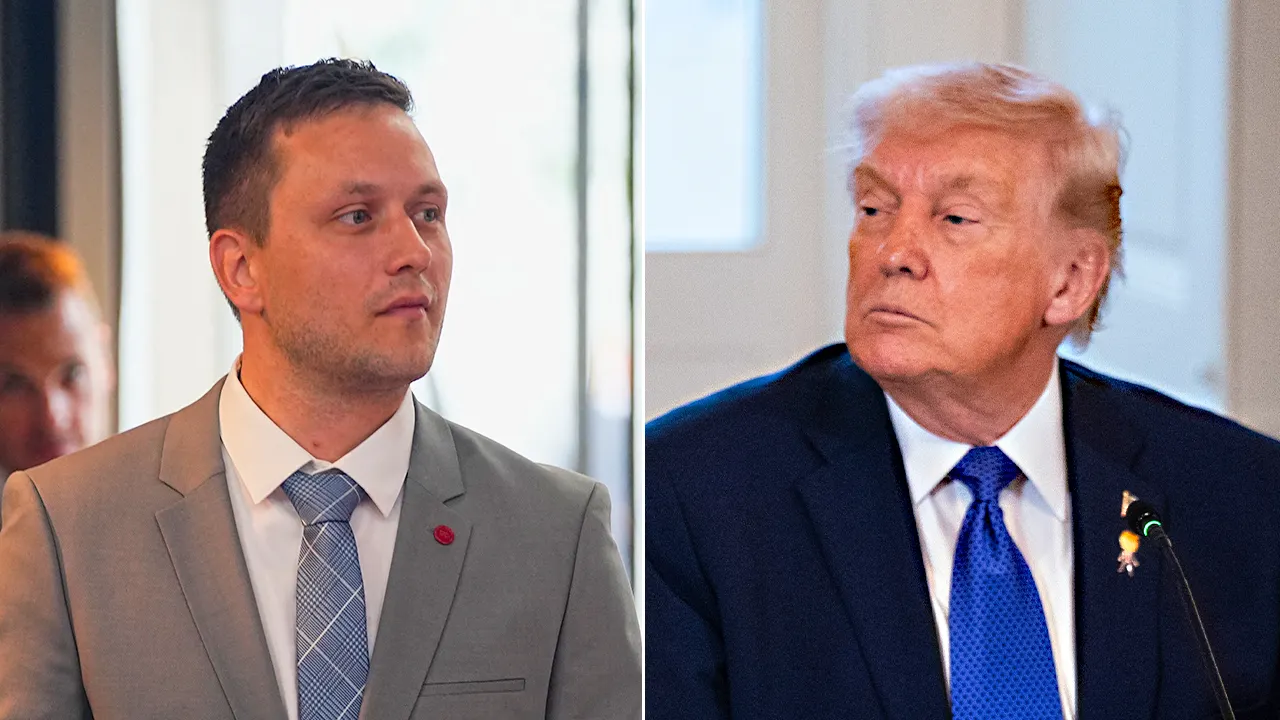
Greenland’s leadership has firmly rejected President Donald Trump’s renewed push for U.S. control of the Arctic island. In a unified statement, Greenland Prime Minister Jens-Frederik Nielsen and four party leaders declared, “We don’t want to be Americans, we don’t want to be Danes, we want to be Greenlanders.” This resistance comes as Trump administration officials increasingly frame the potential acquisition as a national security necessity. The island’s representatives emphasized that “Greenland’s future must be decided by the Greenlandic people,” expressing frustration over what they described as American contempt for their country and its sovereignty. The statement reflects growing tension between the self-governing Danish territory and the Trump administration over the island’s geopolitical future.
President Trump has been unambiguous about his intentions, declaring that the United States will “do something on Greenland, whether they like it or not.” He justifies this position through a geopolitical lens, arguing that if America doesn’t establish control, “Russia or China will take over Greenland,” positioning the acquisition as a preventive measure against having these nations as neighbors. The president raised these points during a White House roundtable with oil executives focused on investments in Venezuela following President Nicolás Maduro’s capture. Trump drew parallels between the situations in Venezuela and Greenland, framing both as arenas where American influence must prevail over Russian or Chinese interests. This rhetoric reveals how the administration views territorial control as central to its strategy for great power competition.
The Greenlandic response has been consistently negative, with Prime Minister Nielsen rejecting comparisons between his island nation and Venezuela. Nielsen has stated that while Greenland seeks improved relations with the United States, it is “not an object of superpower rhetoric.” These comments highlight the fundamental disconnect between how the Trump administration views Greenland—as a strategic asset to be acquired—and how Greenlanders see themselves: as a people with the right to self-determination. This conflict of perspectives underscores the broader tension between great power politics and the rights of smaller nations to determine their own political futures, especially in regions of growing strategic importance like the Arctic.
Danish Prime Minister Mette Frederiksen has escalated the dispute by suggesting that Trump’s threats toward Greenland could potentially undermine NATO itself. In stark terms, Frederiksen warned, “If the U.S. chooses to attack another NATO country militarily, then everything stops. Including our NATO and thus the security that has been provided since the end of the Second World War.” This extraordinary statement from a longtime U.S. ally reveals how seriously Denmark views Trump’s rhetoric about acquiring Greenland, which remains a Danish territory despite its self-governance. Frederiksen’s invocation of NATO suggests that the Greenland issue has potential ramifications far beyond the Arctic, potentially affecting the core alliance that has defined Western security since 1949.
The Trump administration has doubled down on its position through high-level officials like White House deputy chief of staff Stephen Miller, who told CNN that “Greenland should be part of the United States.” When pressed about whether military action against the island could be ruled out, Miller emphasized the United States’ role as “the power of NATO,” suggesting that American control of Greenland was necessary to “secure the Arctic region, to protect and defend NATO and NATO interests.” This framing attempts to position the potential acquisition not as territorial expansion but as a security measure benefiting the entire Western alliance. However, this reasoning has failed to persuade Greenlandic or Danish leadership, who see it as a threat to their sovereignty and a dangerous precedent.
The standoff over Greenland represents more than just a diplomatic disagreement—it encapsulates competing visions of international order in the 21st century. For Trump and his administration, great power competition with Russia and China justifies assertive measures to secure strategically valuable territory, even if that means overriding the wishes of local populations. For Greenland and Denmark, this approach threatens the principles of self-determination and mutual respect that have guided international relations in the post-Cold War era. As climate change opens new shipping routes and resource opportunities in the Arctic, Greenland’s significance will only grow, making this conflict a potential harbinger of future disputes over sovereignty in regions transformed by environmental and geopolitical shifts. What remains clear is that Greenlanders themselves are determined to be the ones who decide their island’s destiny.