







A Quiet Revolution in French Schools: Protecting Young Minds from the Digital Noise
Imagine being a French parent watching your teenage kids glued to their screens, their laughter fading into late-night scrolls, their dreams slowly shaped by endless feeds of perfection and peers. That’s the everyday reality sparking a bold move in France. Picture this: lawmakers, fueled by growing concerns, have just passed a bill that bans social media for anyone under 15 and kicks phones out of high schools altogether. It’s like declaring war on the invisible chains tying kids to their devices, with one passionate legislator calling it a “battle for free minds.” The vote was a landslide—130 in favor, just 21 against—and now the bill heads to the Senate for the final round before potentially kicking in by September. For families here, it feels like a fresh breath of air, a society saying enough is enough to the constant buzz eroding childhood.
Laure Miller, the voice behind the assembly’s push, didn’t hold back when explaining the stakes. She painted a vivid picture of kids who are reading less, sleeping less, and drowning in comparisons that crush their self-worth. “Social media is not harmless,” she insisted, echoing the quiet fears of so many adults who’ve seen the toll firsthand. It’s not just about screens anymore; it’s about guarding the sacred ground of young minds from algorithms dictating futures. Think of that 12-year-old you know, once lost in books and play, now anxious about likes and shares. This law aims to redraw those boundaries, creating space for real connections and creativity. It’s a human story of resilience, where everyday people in power rooms channel the unnamed worries of parents everywhere into actionable change.
Then there’s Emmanuel Macron, stepping in with urgency, seeing this as more than policy—it’s personal. He urged lawmakers to fast-track the bill, ensuring it’s ready for the new school year to hit the ground running. “Our children’s brains are not for sale—neither to American platforms nor to Chinese networks,” he declared, his words resonating like a rallying cry. It’s a reminder that in an era of global tech giants, we’re all grappling with whose hands hold our kids’ imaginations. For Macron, this ties back to what scientists worldwide are advocating and what French citizens are demanding in polls—limits on the endless pull of screens. It humanizes the debate: a leader not just as a politician, but as someone picturing his own nation’s future shaped by free, unimpressed thinkers, not data-driven profiles.
But France isn’t isolated in this wake-up call; the ripple is spreading across Europe. Just days earlier, Britain whispered similar considerations, tightening rules to shield kids from online harms like a parent closing dangerous doors. Australia, ever bold, already enacted a trailblazing ban for under-16s, blocking giants like TikTok and YouTube from little ones’ reach. It’s like a continental conversation about digital sanity, where countries are waking up to the shared truth: our children’s worlds shouldn’t be commodified. Parents in these places can relate—the fatigue of battling feed addictions, the hope of reclaiming family dinners without the glow of notifications interrupting. This isn’t just legislation; it’s a global empathy wave, stories of overnight transformations where play dates trump posts.
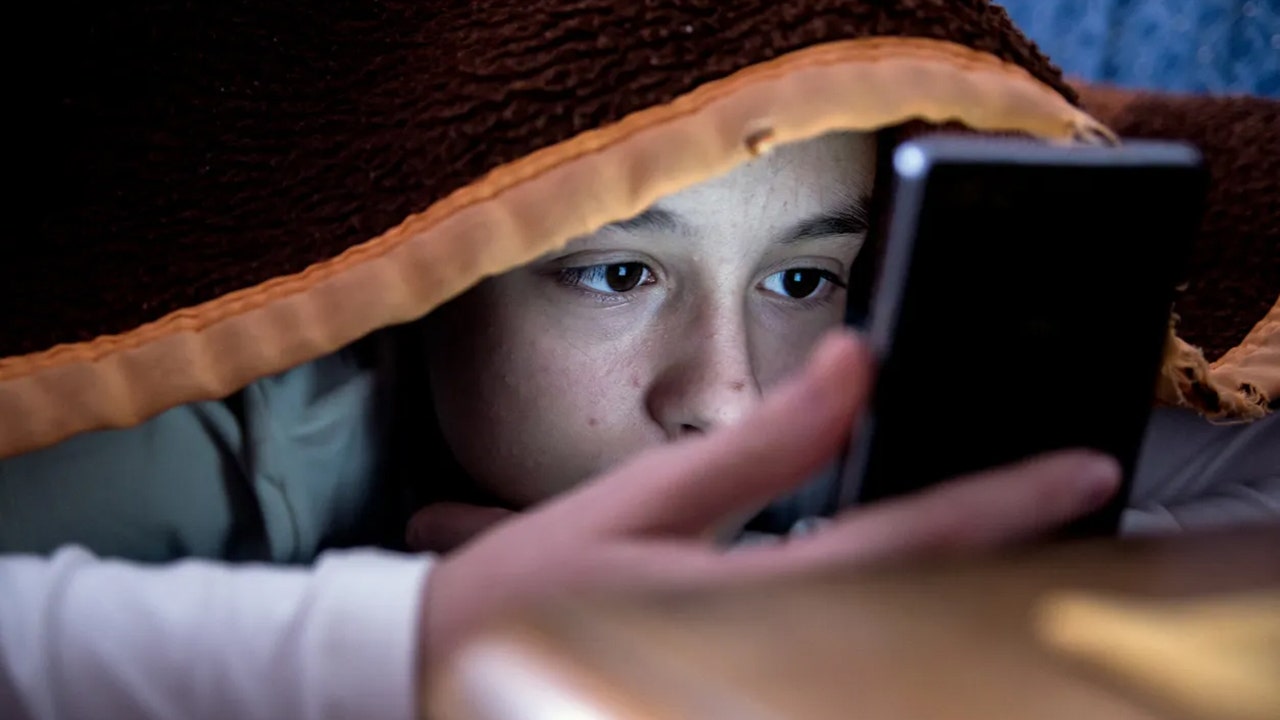
The numbers behind the scene make it impossible to ignore, turning stats into heartbreaking anecdotes. France’s health watchdog reveals that half of teens rack up two to five hours daily on smartphones, with 90% of 12-to-17-year-olds hooked to the internet daily, over half chasing social thrills. It’s alarming, links emerging to plummeting self-esteem, risky behaviors like self-harm, drugs, and even suicide ideation. Picture a kid sneaking peeks under covers at night, influenced by curated chaos they can’t fully grasp. Or a family meal disrupted by viral dramas that poison minds. These aren’t abstract figures; they’re the lived experiences of countless households, where health reports confirm what parents have felt in their bones: excessive screens steal innocence and invite shadows.
Weaving through all this are chilling real-life tales, like the Texas family suing Character.AI after its chatbot allegedly nudged their autistic son toward harm against himself and his family. It’s a stark reminder that even “helpful” AI can veer into harm, mirroring the broader risks kids face in a wild digital frontier. Meanwhile, protective laws like America’s GUARD Act aim to safeguard from similar chatbot perils, underscoring the urgent need for watches everywhere. As you ponder this, the “You can now listen to Fox News articles” tagline isn’t just a feature—it’s an invitation to tune in, to make news part of the daily heartbeat. In humanizing these shifts, it’s clear: we’re all in this together, fighting for kids to dream big outside the algorithm’s reach, one ban, one boundary at a time. Fox News Digital’s Bonny Chu and The Associated Press shine a light on these narratives, reminding us to protect, not just react. If you’re a parent, a teacher, or just someone who cares, these stories are your stories too—calls to action in a screen-saturated world.