


France’s Diplomatic Stance on Iran’s Crackdown and European Defense
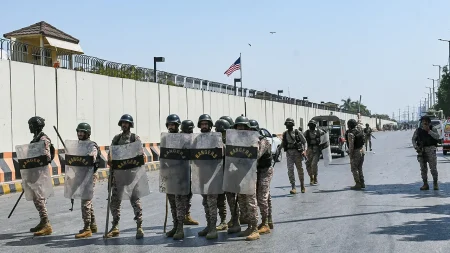
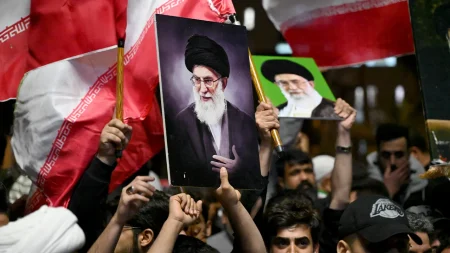
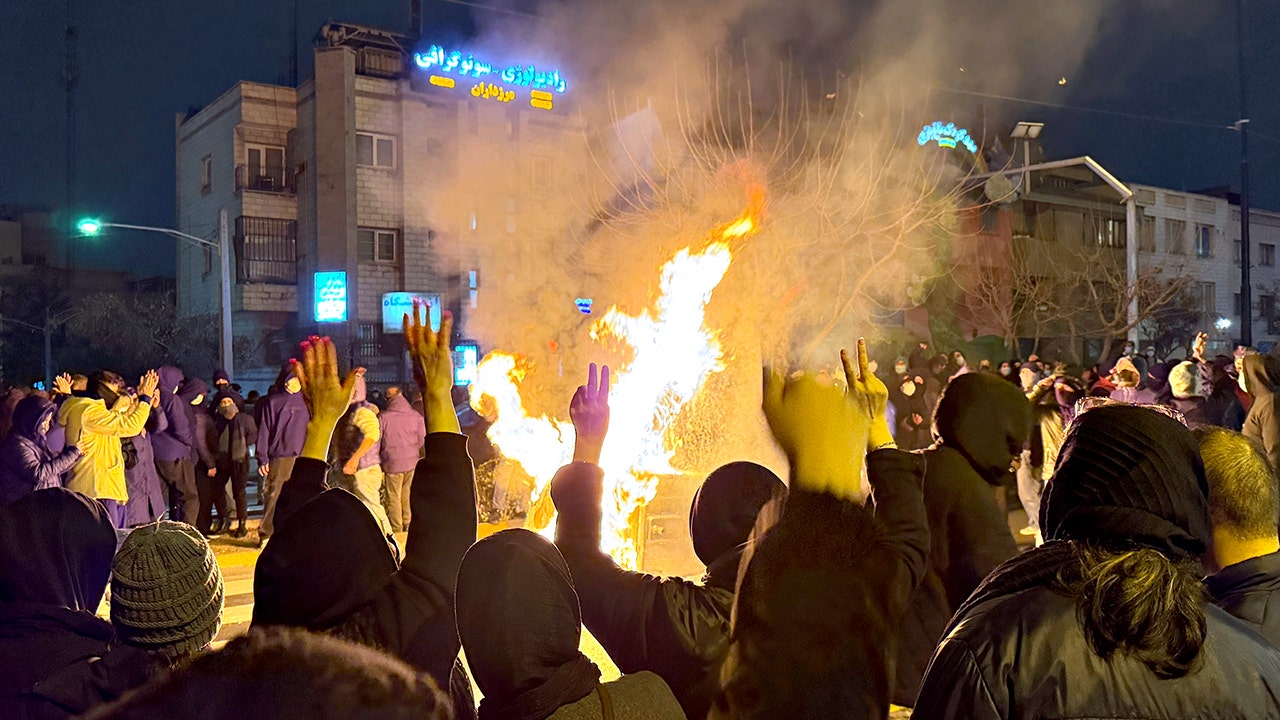
In an exclusive interview with Fox News Digital, France’s UN Ambassador Jerome Bonnafont has strongly condemned Iran’s violent suppression of nationwide protests, describing the current crackdown as “even more violent than it used to be.” Speaking on behalf of the French government, Bonnafont outlined Paris’s response to the situation in Iran, including the possible provision of satellite communications support to help Iranian citizens circumvent internet blackouts imposed by authorities. This technological assistance, involving satellite terminals operated by Eutelsat, represents a practical step to support Iranian protesters facing an increasingly repressive regime. The ambassador highlighted that France has joined with other G7 nations in warning Iran of additional restrictive measures if it continues to violate international human rights obligations, noting that sanctions already target the Iranian police and over 200 individuals connected to the regime’s repression.
The discussion about Iran came as Israel’s foreign minister urged France to support designating Iran’s Islamic Revolutionary Guard Corps (IRGC) as a terrorist organization at the European Union level. While Ambassador Bonnafont didn’t directly address this specific request, he emphasized the existing sanctions framework and international diplomatic pressure. “What we have to do is to condemn and to address the right message to the people in Iran and to the regime, so that the regime stops with this massive repression,” he stated, underscoring France’s commitment to applying meaningful pressure while supporting the Iranian people. The French position appears focused on a coordinated international response rather than unilateral moves, working through established mechanisms to influence Iran’s behavior.
Moving to European defense matters, Bonnafont addressed former President Trump’s repeated calls for European NATO allies to increase their defense spending. He argued that Europe is already moving toward greater self-sufficiency in defense, stating: “There is a will by the Europeans to take full responsibility of the protection of its own continent.” The ambassador framed this not as a new response to American pressure but as a continuation of France’s long-standing position advocating for European strategic autonomy within NATO – a vision consistently championed by President Emmanuel Macron. This perspective positions increased European defense capability as complementary to, rather than replacing, the transatlantic alliance, while acknowledging the need for Europe to be more self-reliant.
Russia’s invasion of Ukraine has served as a critical test case for European defense cooperation, according to Bonnafont. He portrayed the European response to Ukraine as both unified and substantial, highlighting the “massive” financial support and “unanimous” political backing provided to Kyiv. The ambassador revealed that France and the United Kingdom are organizing what he described as a “coalition of volunteers” to provide Ukraine with long-term security guarantees once peace negotiations with Russia become viable. “When Ukraine enters into discussion with Russia, and when Russia accepts to enter into discussion with Ukraine, and when the elements of a sustainable peace are put on paper, Ukraine can have security guarantees,” he explained. Bonnafont also pointed to France’s own defense budget increases as concrete evidence of Europe backing its security commitments with financial resources.
On United Nations reform, Bonnafont acknowledged the need for institutional changes while defending the organization’s continued relevance. He highlighted recent budget reductions approved by consensus among member states, including a 20% reduction in personnel and a 15% cut in funding allocations. “Give me another example of a public structure that is capable of such an effort in such a short time,” he challenged, presenting these cuts as evidence of the UN’s ability to adapt. While acknowledging the importance of streamlining operations, the ambassador maintained that the world still needs the United Nations as a forum for international cooperation and problem-solving. This balanced perspective recognizes legitimate criticisms of UN inefficiency while arguing for reform rather than abandonment of multilateral institutions.
When questioned about the United States’ decision to halt funding for several UN agencies, including UNRWA (the UN agency for Palestinian refugees), Bonnafont defended the principle of universal participation in international organizations while respecting American sovereignty. “Organizations are more efficient when they are universal,” he stated, suggesting that broad participation strengthens rather than weakens international bodies. However, he acknowledged that participation remains a sovereign decision for each country, including the United States. This response reflects France’s traditional diplomatic approach – advocating for multilateralism while respecting the national prerogatives of even its closest allies. The ambassador’s comments throughout the interview consistently balanced principled positions with pragmatic recognition of political realities, embodying France’s self-perception as both a defender of international norms and a practical diplomatic player.