






Former Hostage’s Chilling Prophecy Before Bondi Beach Tragedy
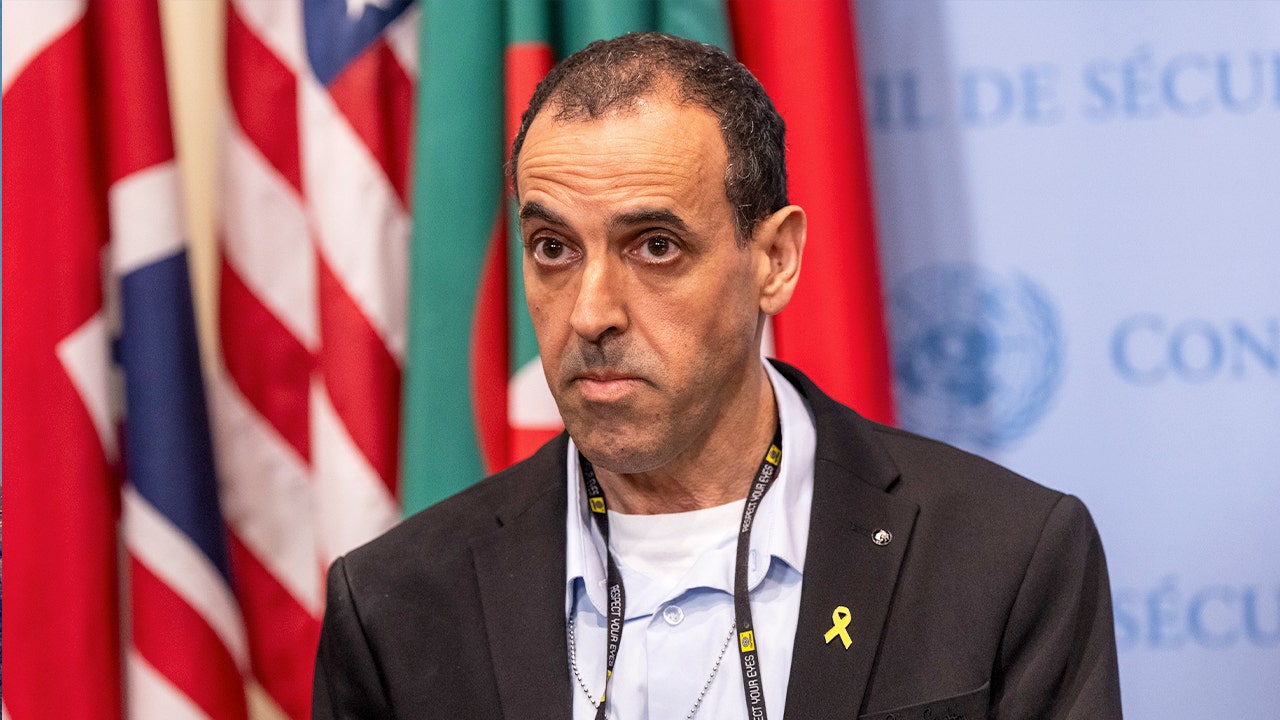
In a poignant interview with Fox News Digital, Eli Sharabi, a survivor who endured 491 days as a Hamas hostage in Gaza, revealed how he had warned Australian officials about the dangers of rising antisemitism months before the deadly Bondi Beach attack. During his visit to Australia in June, Sharabi met with Deputy Prime Minister Richard Marles and Foreign Minister Penny Wong, urging them to take a stronger stance against the growing tide of antisemitism. With remarkable foresight, he cautioned that he could already “see the fears” of Jewish people walking on Australian streets and predicted that a hate crime would eventually occur. “When it happens, a hate crime here, it will be your responsibility because you have to have a stronger voice against antisemitism,” he recalled telling the officials. Following the tragic Hanukkah celebration attack at Bondi Beach that claimed at least 15 lives and injured dozens more, Sharabi expressed his profound sorrow: “Unfortunately, it happened. And that’s crazy, it’s crazy. Really, I’m so sorry for that.” The attack evoked painful historical parallels for Sharabi, who reflected, “Suddenly you feel like it’s the 1940s again, and we are in 2025, 90 years later, all these things are happening again.”
Sharabi’s own story is one of profound personal tragedy and resilience. Taken hostage from Kibbutz Be’eri during the October 7, 2023 Hamas attack on Israel, he was finally released on February 8, 2025, after 491 days in captivity. The freedom he so desperately longed for came with devastating news—his wife Lianne, their daughters Noiya and Yahel had been killed during the initial attack. Despite this unimaginable loss, Sharabi has channeled his pain into purpose, traveling globally to speak about his experiences as a hostage and advocating for others still in captivity. His memoir “Hostage,” now translated into several languages, serves as both testimony and warning. In response to Sharabi’s concerns, Foreign Minister Wong’s spokesperson stated that she “deeply appreciated her meeting with Eli Sharabi” and has “consistently condemned antisemitism and antisemitic attacks.” The spokesperson outlined measures being taken in response to the Bondi Beach attack, including strengthening laws against those spreading antisemitism, improving educational responses, and lowering thresholds for canceling visas of individuals coming to Australia to promote antisemitism.
During his captivity, Sharabi formed a special bond with fellow hostage Alon Ohel, whom he now considers like a son. Their reunion after both gaining freedom represented a rare bright spot amid ongoing tragedy. “It was an amazing feeling to see him released,” Sharabi shared, noting that they try to speak daily and have met several times since regaining their freedom. This connection represents the human relationships that sustained hope during the darkest circumstances. While in captivity, knowing nothing of the outside world’s response to the hostage crisis, Sharabi was unaware of the global movement advocating for his release. Only after returning to Israel did he gradually learn about the widespread support—first from family and friends, then from communities across Israel, and ultimately from around the world. This revelation of humanity’s capacity for compassion has profoundly affected his outlook, even as he continues to advocate for those still held captive, particularly Ran Gvili, the last remaining hostage in Gaza.
Nearly a year into his freedom, Sharabi approaches each day with renewed appreciation. “First of all, I’m alive. Second, I’m free, and I’ve learned that freedom is priceless,” he reflected. This gratitude permeates his daily life: “Every morning I wake up, I say thank you very much for what I have and for my freedom, and I can be able to choose whatever I do that day and not to ask permission from anyone to eat or drink or speak.” Despite this positive outlook, he acknowledges that “the memory of my wife, my daughters and my brother will be with me until my last day.” The juxtaposition of gratitude for his freedom alongside grief for his lost family illustrates the complex emotional landscape Sharabi navigates daily—a testament to human resilience in the face of unimaginable trauma.
While held captive, Sharabi had made a promise to himself that once freed, he would relocate his family to London where they might live peacefully—a decision prompted by the fear he witnessed in his daughters’ eyes on October 7. The tragic loss of his family has altered these plans, but his desire for a fresh start remains. He envisions rebuilding his life in central Israel once Ran Gvili is returned home, focusing on his healing journey away from the site of his trauma. The prospect of returning to Kibbutz Be’eri, where every corner holds memories of tragedy, proves too painful. “I can’t go back to Be’eri. It’s something I need to solve with myself and with my therapist,” he explained. “How can I get into my house again? For me, living in Be’eri, it’s not an option. In every corner, I can see the tragedy. I need a new place, a new restart for my life.”
Sharabi’s story encapsulates both personal and collective trauma—the individual suffering of a man who lost everything yet continues to speak out, alongside the broader pattern of antisemitism that persists globally. His warning to Australian officials, tragically validated by subsequent events, serves as a sobering reminder of hatred’s persistent threat when left unchallenged. Yet in his daily gratitude for freedom, his advocacy for remaining hostages, and his determination to rebuild his life, Sharabi embodies resilience in its purest form. As he works with his therapist to process his experiences and plans a new beginning in central Israel, his journey reflects the complex process of healing from profound trauma while honoring those lost. In a world where antisemitism and other forms of hatred continue to claim lives, Sharabi’s testimony stands as both warning and witness—challenging societies and their leaders to confront prejudice before it manifests in violence, while demonstrating the human capacity to find purpose even after unimaginable loss.