


Crown Prince Calls on Trump as Iran Blackouts Internet Amid Protests
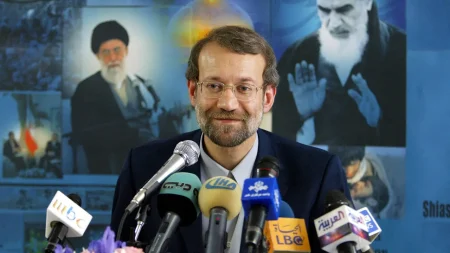
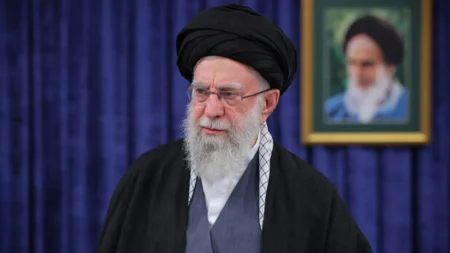
In a desperate plea for international support, exiled Iranian Crown Prince Reza Pahlavi has reached out to President Donald Trump as the Iranian regime implements a nationwide internet blackout during intensifying protests. Pahlavi’s message came through a post on X where he described the situation as urgent, noting that millions of brave Iranians were facing not only live bullets but now a complete communications blackout. The Crown Prince specifically called on Trump, whom he characterized as “a man of peace and a man of your word,” to take action as Supreme Leader Ali Khamenei threatens a brutal crackdown. The communication shutdown appears strategically timed, as it followed calls for mass protests across the country and came just as demonstrations were gaining momentum.
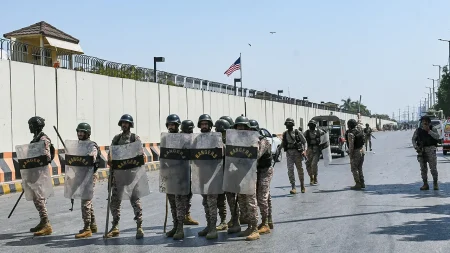
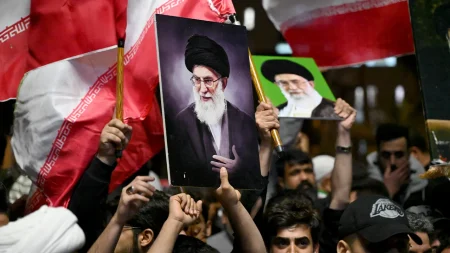
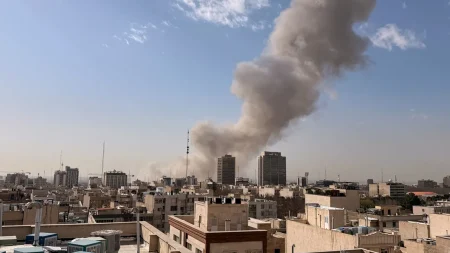
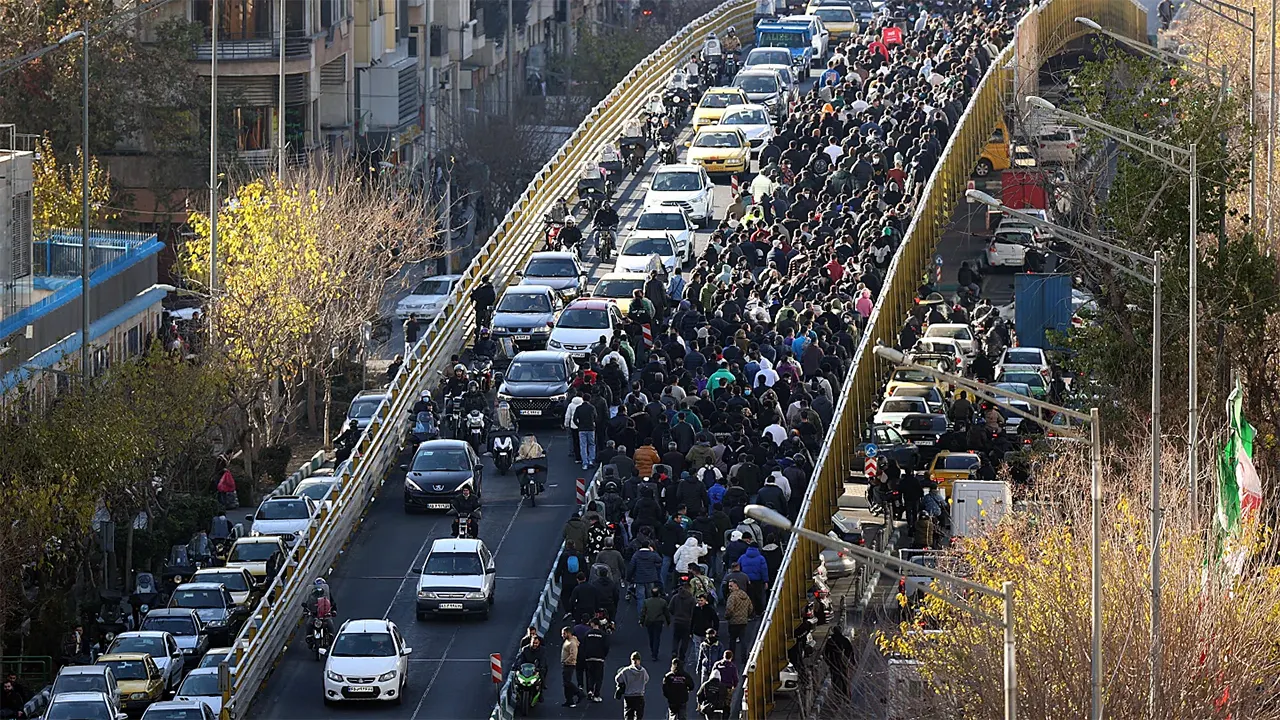
The protests represent a significant challenge to the Islamic regime, with Pahlavi claiming they are “unprecedented” and different from previous movements. He highlighted the participation of Iran’s powerful merchant class, a development that signals broader discontent across various sectors of Iranian society. Videos from Tehran showed business owners shutting their shops in the Grand Bazaar and confronting security forces in riot gear, while footage from other parts of the country depicted thousands taking to the streets to protest deteriorating economic conditions. According to the Human Rights Activists News Agency, at least 36 people had been killed as of Friday, including 34 protesters and two security force members, underscoring the increasingly violent nature of the government response.
Pahlavi has expressed optimism about the protest movement’s potential impact, telling Fox News’ “Hannity” program that the regime is “crumbling and is very close to collapsing.” He pointed to demonstrations spanning over a hundred cities with millions of people chanting “Death to the dictator” as evidence of widespread rejection of the current leadership. The internet blackout implemented by authorities seems designed to prevent coordination among protesters and limit information flowing both within the country and to the outside world. Live network data from NetBlocks confirmed the collapse of internet traffic shortly after calls circulated for mass protests at 8 p.m. local time, effectively cutting off most Iranians from communicating with each other and the international community.
President Trump’s potential role in these developments has been a subject of both hope and tension. The Iranian Supreme Leader recently criticized protesters, claiming they were “ruining their own streets” to please Trump. Meanwhile, the former U.S. president had posted on Truth Social on January 2 that America was “locked and loaded and ready to go” to defend protesters if the regime used violence against them. In subsequent interviews, Trump reinforced this position, telling Hugh Hewitt that Iran has “been told very strongly… that if they do that, they’re going to have to pay hell.” Similarly, during an appearance on “Hannity,” Trump stated that the U.S. would hit the regime “very hard” if it mistreated protesters, saying, “We’re ready to do it. If they do that, we can hit them hard.”
Despite these strong words of support for Iranian protesters, Trump has shown some hesitation about taking more formal diplomatic steps. When asked about the possibility of meeting with Crown Prince Pahlavi, the president expressed doubt about the appropriateness of such a meeting at this time, saying, “I think that we should let everybody go out there, and we see who emerges.” This measured response suggests that while Trump is willing to threaten intervention to protect protesters, he may be reluctant to officially endorse any particular opposition figure or movement. The administration’s approach appears to be one of applying pressure while avoiding commitments that might be seen as directly interfering in Iran’s internal politics.
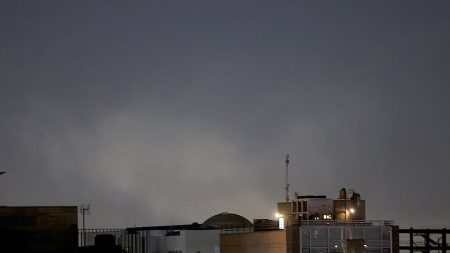
The current wave of protests reflects deep-seated frustrations with Iran’s economic situation and political leadership. Pahlavi believes Trump’s previous threats to intervene if violence was used against protesters “kept the regime’s thugs at bay” during Thursday night’s demonstrations. The Crown Prince has called for continued protests, urging Iranians to demonstrate both Thursday and Friday nights. As communications remain severely restricted, the international community has limited visibility into developments on the ground. The regime’s decision to implement a total blackout suggests authorities may be preparing for a more severe crackdown, precisely what Pahlavi fears will happen without international pressure and attention focused on Iran’s unfolding crisis.