






European Christmas Markets Adapt to Security Challenges in Changing Times
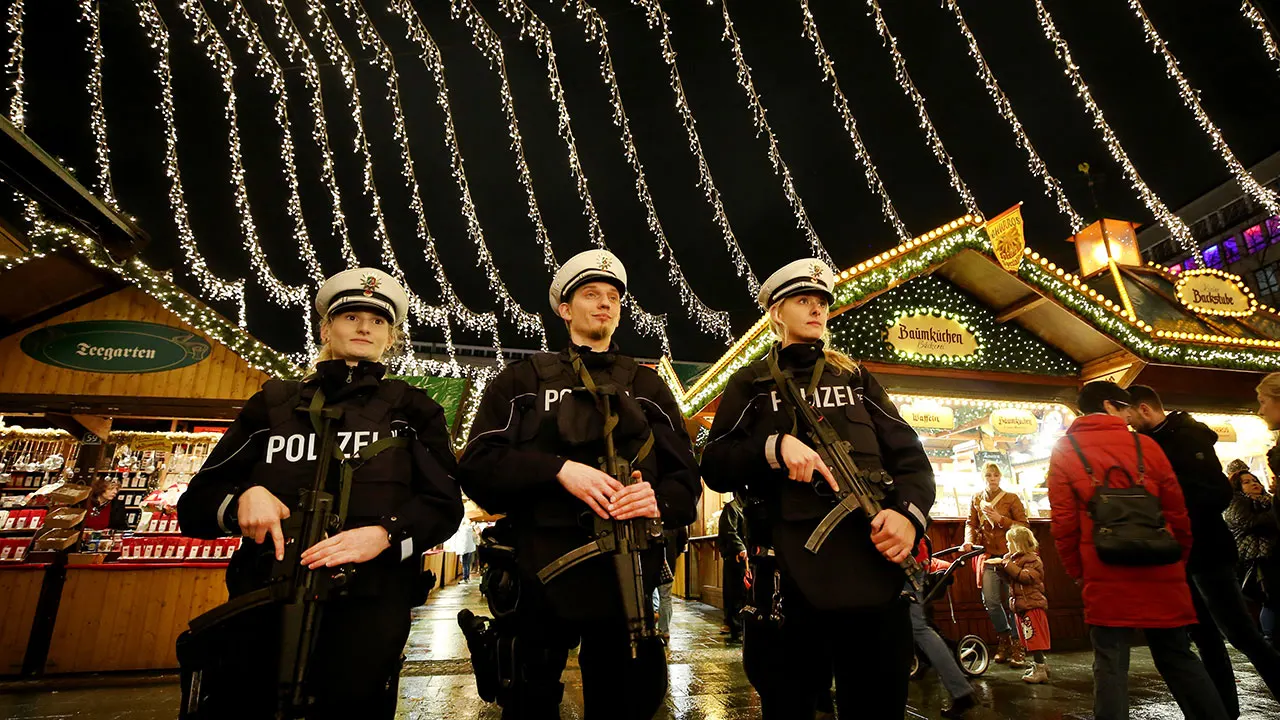
Across Europe, the centuries-old tradition of Christmas markets is undergoing a significant transformation as heightened security concerns and rising operational costs reshape these beloved seasonal gatherings. From Berlin’s Gendarmenmarkt to the picturesque markets of Salzburg, visitors this year are experiencing a new reality: concrete barriers, enhanced surveillance systems, and expanded security personnel have become as much a part of the landscape as mulled wine and handcrafted ornaments. In Germany alone, spending on security for public events including Christmas markets has jumped by 44% over the past three years, according to the Federal Association of City and Town Marketing. While these measures aim to preserve the festive atmosphere that draws millions each winter, they raise profound questions about the sustainability of these cultural institutions, particularly for smaller communities bearing the financial burden.
The evolution in security approaches follows several traumatic incidents, most notably last December’s SUV attack at the Magdeburg Christmas market that killed six people and injured more than 300. The response has been comprehensive: Berlin’s main market now operates behind concrete barriers with enhanced video monitoring and additional private security staff. Similar measures have been implemented across Germany, where local officials have begun calling on federal states to assume a greater share of the financial responsibility, arguing that counter-terrorism infrastructure extends beyond what local event planners should reasonably be expected to fund. “The requirements have become increasingly stringent,” notes David Russ, who oversees production at Berlin’s Gendarmenmarkt. Despite the intrusive nature of these precautions, he observes they serve an essential psychological purpose: “I can just let go of everything here — I feel safe,” reflecting the complex balance between security and maintaining the markets’ traditional charm.
France has adopted comparable measures in response to what its Interior Ministry describes as a “very high” terror threat level. Authorities took the significant step of canceling the annual New Year’s Eve concert on the Champs-Élysées after police expressed concerns about crowd management amid elevated security risks. Christmas markets and other winter festivities throughout the country have been classified as “high-risk” events, prompting cities to deploy additional officers, introduce new screening checkpoints, and implement access restrictions. The situation has sparked debate about governmental priorities, with some critics questioning why extraordinary security measures have become necessary for events that have peacefully defined European cultural life for generations. Alan Mendoza of the Henry Jackson Society articulates this frustration: “The real question is why European governments are tolerating a situation where they must deploy extraordinary security just so people can safely celebrate a tradition that has been central to European life for centuries.”
The security transformation extends beyond Germany and France to multiple European destinations known for their holiday traditions. In Salzburg, Austria, where roughly 1.5 million visitors typically gather for the Christmas market, organizers have implemented round-the-clock private security and installed a network of 33 dedicated surveillance cameras. The financial strain has proven too much for some communities in Austria, including areas in Styria (Arnold Schwarzenegger’s home region), where certain markets have been canceled entirely because organizers cannot afford the mandatory security measures. Prague has placed large concrete blocks along popular embankments and pedestrian areas, while increasing police patrols around potential targets. Budapest has deployed additional plainclothes officers to circulate through crowds, monitoring for suspicious behavior and improving response capabilities should an incident occur.
Security experts suggest these elevated measures reflect a realistic assessment of current threats rather than an overreaction. Ben Cohen, senior analyst at the Foundation for Defense of Democracies, notes that the threat level remains at least as serious as last year, possibly more acute, explaining why authorities are intensifying precautions. “Over the last year, both countries [Germany and France] have cracked down on Islamist activity, so they will be especially on their guard at this time of year,” Cohen observes. He points out that both Christian and Jewish festivals have been targeted by extremists, as demonstrated by the attack on a Manchester synagogue during Yom Kippur in October. This reality has transformed Christmas markets from simple expressions of cultural heritage and commerce into what security professionals classify as “soft targets” requiring sophisticated protection strategies.
Despite these challenges, the European Christmas market tradition endures, though under noticeably different conditions than in previous generations. Most markets remain open and continue to draw significant attendance, testifying to their cultural importance and resilience. Visitors navigate security checkpoints and concrete barriers to participate in traditions that connect contemporary Europeans with centuries of shared heritage. However, the situation raises fundamental questions about the future sustainability of these events, particularly for smaller communities with limited resources. As officials across multiple countries indicate that enhanced security measures will likely remain in place as long as threat levels stay elevated, European communities face difficult decisions about how to preserve cherished cultural traditions while adapting to contemporary realities. The transformation of Christmas markets reflects broader tensions in European society as it grapples with preserving open, celebratory public spaces in an era of complex security challenges and competing priorities.