





The Tensions in the Middle East: A Diplomatic Balancing Act
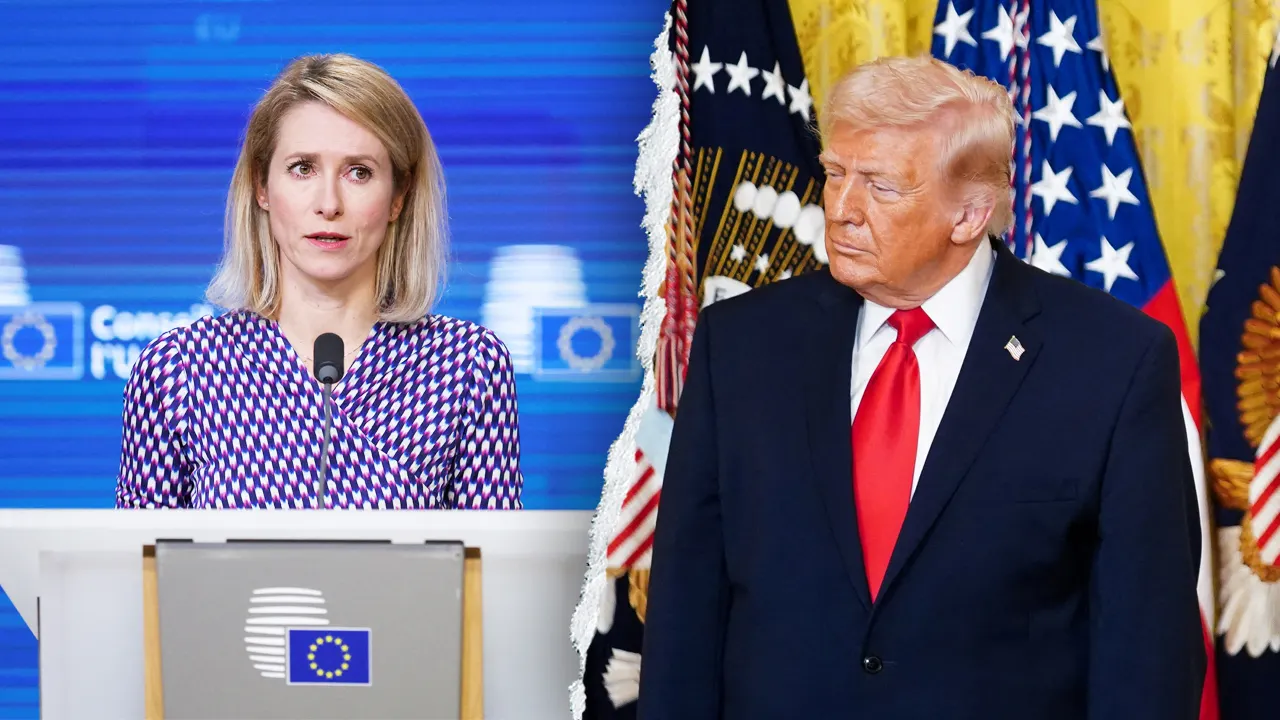
It’s a tricky world out there, isn’t it? Picture this: You’ve got simmering tensions boiling over into what feels like an unstoppable conflict involving Iran, Israel, and even the United States as a player in the region. Now, imagine the European Union stepping in, trying to be the voice of reason in a sea of heated rhetoric. That’s the backdrop we’re diving into here. The EU’s foreign policy chief, Kaja Kallas, recently shared her thoughts with Reuters, painting a picture of cautious optimism. She explained how the EU has been quietly chatting with key regional players—like countries in the Gulf, plus Jordan and Egypt—to come up with some fresh ideas. These proposals aren’t about pointing fingers or escalating things further; instead, they’re aimed at helping Iran, Israel, and the US find a graceful way out of this mess. It’s all about “saving face,” she said, meaning everyone walks away without looking weak or defeated. For someone like me, who follows global affairs, it stirs up thoughts of those old historical treaties where pride and peace had to be balanced delicately. What if this meant de-escalating missile threats or ceasefire talks that don’t humiliate any side? Kallas isn’t proposing miracles, but she’s highlighting how collective brains can sometimes melt away the fog of war. In the grand scheme, her approach feels human—acknowledging that nations are led by people with egos, families, and futures at stake, not just chess pieces on a board. There’s something relatable about wanting a solution where no one emerges scarred; after all, we’ve all been in arguments where breaking things off amicably makes all the difference. And in a region plagued by cycles of retaliation, this EU initiative could be the spark of sanity, bridging divides with regional wisdom rather than forceful impositions. I can almost imagine diplomats huddled around tables in luxurious hotel suites, sipping coffee as they sketch out scenarios—perhaps inviting neutral mediators or floating economic incentives to lure sides to the table. It’s not just policy; it’s a reminder that empathy and dialogue might trump the war drums echoing online. As global watchers, we should cheer this on, hoping it leads to cooler heads prevailing before things spiral further.
The Perils of Starting Wars Easy to Begin but Hard to End
Diving deeper into Kallas’s words, she hit a nerve with her observation that starting wars is always easier than stopping them—they tend to spiral out of control like a runaway train. It’s a phrase that resonates because, let’s face it, human nature often favors bold declarations over thoughtful withdrawals. She’s pointing out that these conflicts, once ignited, gain momentum from emotions, alliances, and unintended consequences. Think about it: A single inciting incident—say, a drone strike or a border skirmish—can escalate into proxy battles, humanitarian disasters, and economic fallout that affects everyday people worldwide. Kallas is advocating for the EU to play the role of facilitator, using diplomatic tools to herd the cats toward peace. Diplomats aren’t superheroes; they’re human too, dealing with egos and stubborn positions. For instance, recall how past wars, like the Iran-Iraq conflict or even the Cold War standoffs, dragged on because exiting gracefully seemed impossible. What if Kallas’s team envisions round-table talks reminiscent of the Camp David accords, where leaders talk eye-to-eye, sharing meals and stories to humanize opponents? Iran might share tales of sanctions’ bite, Israel could recount security fears, and the US might detail strategic dilemmas. This humanization aspect is key—politics stripped down to personal stakes, like families separated by borders or children growing up in fear. We’re not robots; we’re driven by fears of loss and hopes for legacy. By contrasting the ease of ignition with the chaos of conflagration, Kallas urges a proactive stance: intervene early, diplomatically, to prevent the war’s wildfire from consuming more lives. In everyday terms, it’s like preventing a family feud from destroying generations—better to mediate than let grudges fester. Ultimately, her call for EU assistance feels like a lifeline, urging all parties to ponder the human cost. Wars don’t just end in treaties; they leave echoes in societies, economies, and psyches. So, as observers, we might wonder: If more leaders echoed this wisdom, could we avert future disasters? It’s a sobering thought, making us appreciate the quiet work of diplomats who toil in the shadows to restore calm. Through it all, Kallas embodies a pragmatist who sees beyond the headlines, focusing on sustainable exits rather than temporary victories.
Pushing Back on Trump’s Warship Vision: Diplomacy Over Aggression
Now, flipping the script a bit, Kallas didn’t mince words when responding to President Donald Trump’s recent comments about rallying international navies to secure the Strait of Hormuz. Trump had painted a vivid, aggressive picture over the weekend on Truth Social, insisting that numerous countries would send warships to partner with the US, blasting away at Iranian threats to keep the crucial waterway open. But Kallas, cool as a cucumber, pushed back hard: “Nobody is ready to put their people in harm’s way in the Strait of Hormuz,” she told Reuters. Instead of militarizing the waters—a move that could ignite even more chaos—she emphasized finding diplomatic pathways to ensure trade flows freely. It’s a stance that highlights human priorities: Why risk sailors’ lives when conversation and agreements could achieve the same goal without bloodshed? The Strait of Hormuz is no abstract geopolitical puzzle; it’s a lifeline connecting global economies, through which a huge chunk of the world’s oil and goods passes. Clogging it, whether by Iranian drones, mines, or missiles, could trigger food crises, fertilizer shortages, and energy blackouts—a nightmare for billions reliant on stable supplies. Think of the families in Europe or Asia who might face empty shelves or skyrocketing fuel prices if things go south; it’s not just about power—it’s about everyday survival. Kallas’s preference for diplomacy over Trump’s bellicose rhetoric feels like a reality check, reminding us that true security comes from cooperation, not confrontation. We’ve seen this in history: Embargoes and dialogues often yield better results than naval showdowns, as with the Vienna accords on nuclear issues. In personal terms, it’s like choosing counseling over court battles in a divorce—less dramatic, more enduring. By standing her ground, Kallas appeals to shared interests, urging allies to collaborate rather than escalate. As someone who’s followed these waterways’ importance since childhood stories of oil tankers and exotic trades, I see her point: Wars at sea aren’t romantic adventures; they’re grave gambles with human lives. Hopefully, this contrasting philosophy—peaceful negotiation versus militarized swagger—fuels international dialogue, preventing deviations into broader conflicts. In the end, her words humanize the stakes, making clear that global harmony trumps short-term bravado, and perhaps, inspires a path forward where no one “wins” through destruction.
Trump’s Bold Claims: Destroying Iran’s Might and Calling Allies
Shifting gears to Trump’s perspective, his messages on Truth Social were nothing short of explosive, capturing the raw bravado that defines his style. He proclaimed that the US had already demolished 100% of Iran’s military capabilities, yet acknowledged the asymmetrical threats like rogue drones, mines, or short-range missiles that could still jeopardize the Strait. It’s a narrative filled with hyperbole, painting Iran as a defeated giant still capable of petty disruptions—a reminder that modern warfare isn’t always about grand battles but guerrilla tactics that keep tensions alive. Trump didn’t stop there; he extended an invitation to nations like China, France, Japan, South Korea, and the UK, urging them to dispatch warships to the region. His logic? These countries suffer from Iran’s “artificial constraints,” so collective naval might would neutralize the threat. But beneath the tough talk lies a stark warning: While advancing this coalition, the US would engage in aggressive actions itself, “bombing the hell out of the shoreline” and “shooting Iranian boats and ships out of the water.” One way or another, he vows, the strait will be “OPEN, SAFE, and FREE!” For folks like us, this evokes images of cinematic showdowns—explosions on the water, heroes in uniforms—but reality bites harder. These words aren’t just rhetoric; they echo past escalations, like the 1980s tanker wars, where such threats led to real casualties and economic turmoil. Trump’s approach humanizes the US stance by invoking retribution against perceived aggressors, yet it raises ethical flags: Is “totally decapitating” a nation acceptable, even if symbolic? It reminds me of personal vendettas, where winning at all costs feels liberating but leaves scars. In broader context, his call to allies could strain international relations, especially with nations wary of entangling in American-led conflicts. Think of the farmers in Japan reliant on Middle Eastern oil or families in France heating homes with imported energy—their lives hang in balance. By portraying Iran as a vanquished foe resorting to desperation tactics, Trump stokes patriotic fervor, but it also underscores the human toll: Soldiers from multiple nations risking everything. As an observer, I can’t help but ponder the allure of such decisive language—it’s empowering, like rooting for the underdog in a story—but wars don’t have happy endings when lives are on the line. Could this incendiary post be a bluff, or a harbinger of escalation? Only time will tell, but it certainly paints a portrait of leadership that prioritizes action over patience.
Broader Implications: From Resignations to Regional Crises
Zooming out, Trump’s statements dovetail with other recent developments, like the resignation of a top counterterrorism official in protest of the US war efforts against Iran—a shockwave that highlights internal dissent within administrations. Such protests humanize the conflict, showing it’s not just geopolitical theater but a source of moral and strategic debate among leaders who grapple with the ethics of aggression. Meanwhile, the potential for food and energy crises looms large if the Strait remains a flashpoint, affecting vulnerable populations worldwide. Imagine grandparents in rural villages watching fertilizer prices soar, or commuters gasping at fuel pump costs—real people facing abstract conflicts’ ripples. Kallas’s diplomatic pushback contrasts sharply here, appealing to shared humanity over unilateral might. It’s a call to action for global citizens: Advocate for solutions that bridge divides, perhaps through sustainable trade agreements or international arbitration. In historical parallels, think of how the Suez Crisis was averted through backchannel talks instead of war fleets; why not apply that wisdom now? Personal stories abound—immigrants from Gulf states building new lives elsewhere, only to see homeland tensions disrupt stability. This narrative isn’t just about nations; it’s about families divided, communities scarred, and futures altered. By humanizing the struggle, we see how elite decisions cascade downward, urging empathy over enmity. As we navigate this era, reflecting on such events fosters resilience, reminding us that every war protest or diplomatic overture carries the weight of countless untold stories. Ultimately, these dynamics underscore the need for collective wisdom, where leaders like Kallas prioritize dialogue to prevent calamities that history warns us about.
A Path Forward: Hope Amid the Chaos of International Relations
In wrapping this up, the interplay between Kallas’s reasoned diplomacy and Trump’s fiery declarations offers a sobering lens on global conflicts. It’s easy to feel overwhelmed by the headlines, but stepping back reveals opportunities for humanity to prevail. Kallas’s consultations with regional powers like the Gulf countries symbolize a grassroots, collaborative approach—friends talking sense into foes, all while saving appearances to avoid future resentments. Meanwhile, Trump’s naval rallying cries highlight the seduction of strength, yet they risk alienating allies and provoking unintended blowback. For everyday folks, this isn’t abstract; it’s about securing a world where kids play freely, markets thrive, and wars fade into textbooks. We can draw inspiration from diplomacy’s successes, like détente eras, where patient negotiation thawed icy stalemates. Humanizing this further, imagine a Kallas-Trump dialogue: Over virtual calls or summit tables, bridging gaps with personal anecdotes—losses from past conflicts, dreams for peaceful prosperity. Trump’s resignation-linked protest reminds us of internal checks, encouraging accountability. As stewards of global citizenship, let’s amplify voices for peace, supporting initiatives that prioritize human lives over geopolitical gains. Whether through donations to aid groups, informed voting, or community discussions, we all play a role. In the end, this saga teaches that while wars start with fervor, they end with foresight and compassion. Here’s to hoping diplomacy wins the day, ensuring no more Hormuz standoffs dim our collective future. By empathizing with all sides—from Iranian civilians to US sailors—we build bridges, not walls, fostering a world where conflicts resolve without the artillery of yore. It’s a tall order, but history shows it’s possible— let’s commit to it.