


Iranian Official’s Daughter Dismissed from Emory University Following Protests
In a significant development at Emory University, Fatemeh Ardeshir-Larijani, daughter of a prominent Iranian official, has been dismissed from her teaching position at the institution’s School of Medicine. The news, reported by the university’s student newspaper The Emory Wheel, revealed that the School of Medicine Dean announced her departure in an email dated January 24. Ardeshir-Larijani had been serving as an assistant professor in the department of hematology and medical oncology at Emory’s medical school. Following the announcement, her faculty page and healthcare profiles were promptly removed from Emory’s online platforms, marking a swift and complete separation from the institution.
The dismissal came in the wake of organized protests outside Emory’s Winship Cancer Institute on January 19, where Iranian-American demonstrators gathered specifically to oppose Ardeshir-Larijani’s employment at the university. The Alliance Against Islamic Regime of Iran Apologists (AAIRIA), a nonprofit organization, played a significant role in bringing attention to Ardeshir-Larijani’s situation. According to the AAIRIA, she had been living and working in the United States for several years as a U.S.-trained hematologist-oncologist practicing in Atlanta. The organization had been vocal about their concerns regarding her presence in American academia, particularly given her father’s position and statements against the United States.
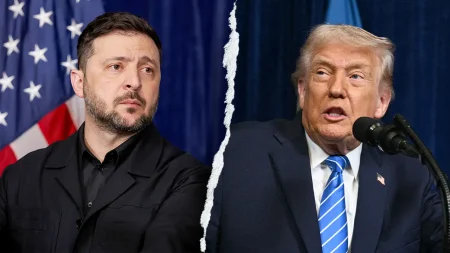
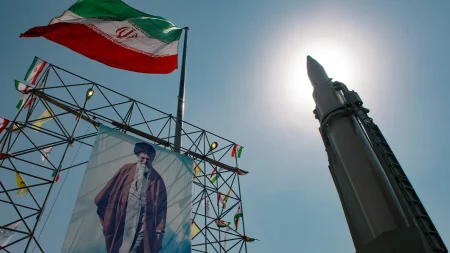
The controversy surrounding Ardeshir-Larijani gained momentum against the backdrop of escalating tensions between the United States and Iran following widespread protests in Iran starting December 28. These protests had resulted in numerous casualties during the Iranian government’s crackdown on demonstrators. Former President Donald Trump had weighed in on the situation through a January 2 post on Truth Social, warning that if Iran “violently kills peaceful protesters,” the United States would “come to their rescue,” adding that American forces were “locked and loaded and ready to go.” This provocative statement from the former president triggered immediate reactions from Iranian officials, including Ardeshir-Larijani’s father, who claimed that American interference would cross a “red line.”
Ali Larijani, Fatemeh’s father, had publicly criticized Trump on social media platform X (formerly Twitter), stating that U.S. interference in Iran’s internal affairs would “[destabilize] the entire region” and “[destroy] American interests.” He further declared that “The American people must know that Trump is the one who started this adventure, and they should pay attention to the safety of their soldiers.” These statements from a senior Iranian official whose daughter was employed at a prestigious American university created a complex political situation that quickly drew attention from various stakeholders. In response to Ali Larijani’s comments, the AAIRIA urged U.S. authorities to review Fatemeh Ardeshir-Larijani’s immigration status and determine whether her continued residence in the country aligned with U.S. laws, national security considerations, and principles of human rights.
The political pressure continued to mount as Rep. Buddy Carter, a Republican representing Georgia, explicitly called on Emory to dismiss Ardeshir-Larijani and urged the state’s medical board to revoke her medical license. The timing of her dismissal is also notable as it occurred approximately two weeks after the U.S. Treasury Department imposed sanctions on her father. According to the Treasury Department, Ali Larijani “is responsible for coordinating the response to the protests on behalf of the Supreme Leader of Iran and has publicly called for Iranian security forces to use force to repress peaceful protesters.” The department also noted that he had publicly defended the regime’s actions in suppressing dissent, further highlighting the stark contrast between his anti-American stance and his daughter’s privileged position within the American academic system.
This incident has reignited discussions about what critics describe as a hypocritical double standard among Iranian officials whose family members enjoy the freedoms and opportunities of Western countries while they themselves promote anti-Western rhetoric and policies at home. A 2018 report by The Washington Times had previously highlighted this phenomenon, pointing out numerous cases where children and relatives of Iranian regime officials live, work, or study in the United States and Europe despite the Iranian leadership’s consistent portrayal of Western nations as enemies. The case of Fatemeh Ardeshir-Larijani exemplifies this tension, raising questions about how academic institutions should respond when caught between principles of academic freedom and concerns about individuals’ connections to regimes with problematic human rights records. As of this writing, neither the White House, the Department of Homeland Security, nor Emory University had provided further comments on the matter, leaving open questions about the specific reasons for the dismissal and any potential implications for similar cases in the future.