





The Rise of a Notorious Kingpin
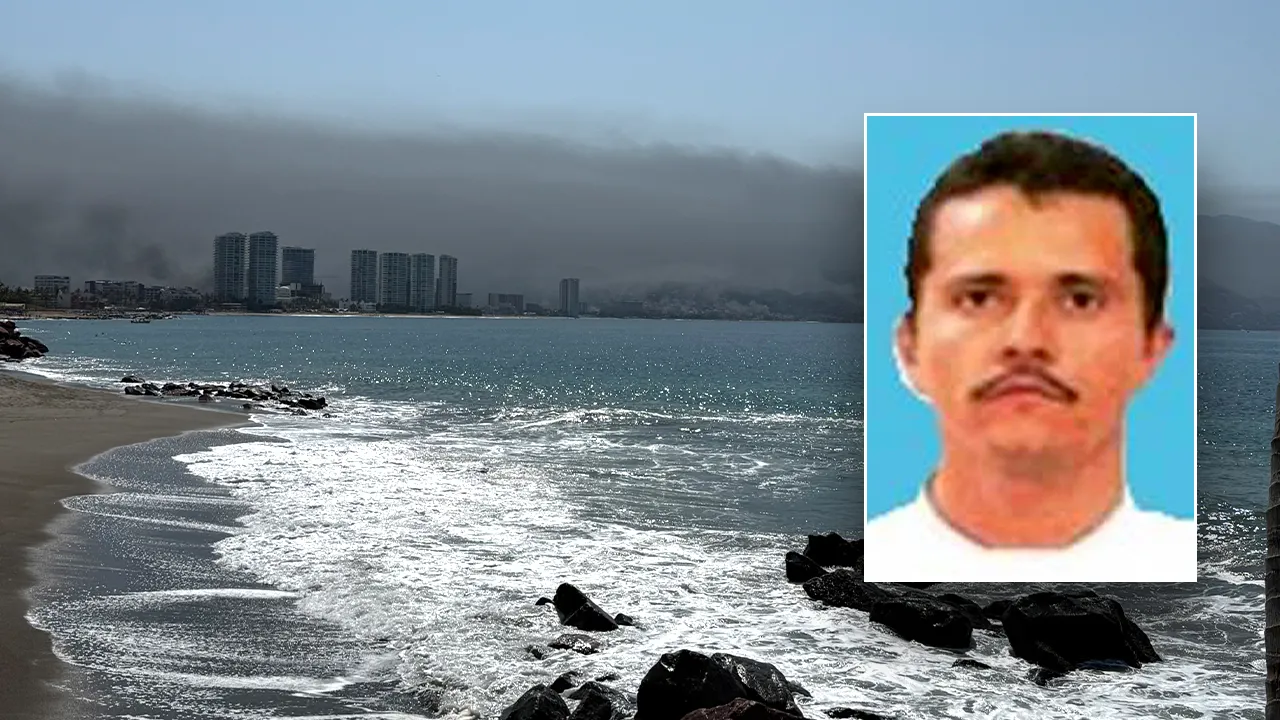
In the shadowy world of international drug trafficking, few figures loomed as large and elusive as Nemesio Oseguera Cervantes, better known as “El Mencho.” A ruthless leader of Mexico’s Jalisco New Generation Cartel (CJNG), El Mencho had built a reputation for violence and cunning that made him one of the most wanted men on both sides of the border. Rising from the ashes of the Sinaloa Cartel’s dominance after the arrest of Joaquín “El Chapo” Guzmán, El Mencho transformed CJNG into a powerhouse, flooding the U.S. with deadly fentanyl while evading capture for years. Imagine him not as a faceless monster, but as a man driven by ambition, surrounded by luxury in hidden compounds, yet always looking over his shoulder. His empire was built on fear and loyalty, with enforcers carrying rocket launchers like toys, and his personal life shrouded in secrecy. El Mencho’s name struck terror into communities ravaged by cartels, where families lived in constant fear of kidnappings and shootings. Yet, humanizing him reveals a calculating mind behind a network that touched millions of lives, from the users overdosing on his product in U.S. streets to the hitmen enforcing his will. The U.S. placed a $15 million bounty on his head, a testament to his impact on global crime. But what was life like for this fugitive? Stories whisper of his charisma, drawing people into his orbit, including multiple romantic partners who shuttled between safe houses, living under aliases. One such partner, unaware of the storm approaching, led authorities straight to his doorstep. This was no ordinary manhunt; it was a calculated chess game played out in the rugged terrains of Jalisco, where betrayals and intelligence work clashed in a deadly dance.
El Mencho’s story mirrors countless others in Mexico’s cartel landscape—ambitious men who started as street-level dealers and ascended to legendary status through brutal tactics. He was said to be a family man, fathering children who reportedly lived privileged lives far from the gore of his operations. But beneath that veneer was a cold strategist who eliminated rivals with a signature blend of horror: beheadings broadcast online to intimidate. CJNG under his rule expanded aggressively, taking over territories from Pacific ports to inland smuggling routes, outgunning police with military-grade weaponry seized or bought on the black market. The human cost was immense—thousands dead in inter-cartel wars, communities traumatized, and law enforcement constantly playing catch-up. El Mencho’s elusiveness wasn’t luck; it was a result of deep-seated corruption and informants who fed him intel. Think of the toll on his followers: young men lured by money and power, only to face certain death in skirmishes. His death marked the end of an era, but it also highlighted the resilience of cartels that spawn replacements quickly. In Mexican lore, he was both villain and folk hero to some, a symbol of defiance against systemic poverty. The operation to bring him down began subtly, with military intelligence peeling back layers like an onion, targeting not him directly at first, but those closest to him. On February 20, they zeroed in on a trusted associate of one of El Mencho’s romantic partners—a man who drove her to a clandestine meeting in Tapalpa, Jalisco, a scenic town now etched in infamy. Little did she know, this rendezvous would become the final chapter in his saga. Authorities had been watching, piecing together patterns from intercepted communications and human sources, all while reinforcing their positions to thwart any bloody counterattacks.
Tracking the Elusive Fugitive
The tracking of El Mencho began with patient intelligence work, a far cry from Hollywood shootouts, more akin to a detective novel unfolding in real time. Military analysts, poring over data, spotted the delicate thread connecting El Mencho to his partner—a woman who, perhaps unknowingly, held the key to his downfall. They shadowed a courier, a trusted guard who transported her to a secluded cabin in Tapalpa, a place designed for intimacy and secrecy. Imagine the tension in that vehicle: the guard eyeing the rearview mirror, the woman blissfully ignorant of the eyes on them. This wasn’t random; it was the culmination of months of surveillance, leveraging technology and human intel to map out CJNG’s operations. El Mencho, ever the cautious man, only visited such spots occasionally, trusting few. The cabin itself paints a picture of his dual life—a rustic hideaway amidst Jalisco’s lush landscapes, far from the urban sprawl of Guadalajara where cartels operated openly at times. Once the partner departed the next day, intelligence confirmed El Mencho remained, holed up with a skeleton crew of bodyguards. What thoughts raced through his mind as the net tightened? Pride in his evasive tactics, or a creeping dread from past near-misses? For the Mexican forces, this was validation of their training, a chance to strike at the heart of the beast. Defense Secretary Ricardo Trevilla Trejo detailed it clinically, but behind the words lay the adrenaline of planners who knew one slip could cost lives. Authorities mobilized Army Special Forces and the National Guard’s Immediate Reaction Force, elite units hardened by years of facing cartels armed to the teeth. The human element here is poignant: soldiers, often from humble backgrounds, risking everything to dismantle networks that exploit society’s edges.
The Raid Unfolds: Chaos in the Cabins
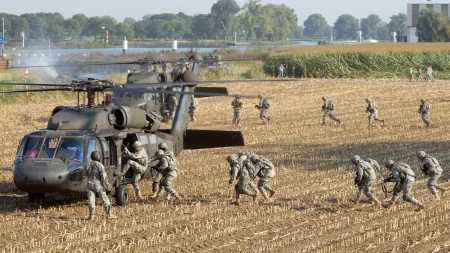
As dawn broke on February 21, the raid erupted into action, transforming a quiet cabin into a warzone. Aerial surveillance spotted El Mencho’s inner circle strolling openly, toting illegal high-caliber weapons—rocket launchers gleaming in the sunlight, long guns slung casually. It was surreal, this defiance in broad daylight, a testament to their arrogance. Security forces, poised for assault, stormed the private property, hearts pounding as they breached the perimeter. What must it have been like for the incoming troops? Fear mingling with determination, knowing the cartel’s firepower could obliterate them in seconds. The confrontation ignited fiercely; El Mencho’s detail fired “very violently” at military personnel, bullets cracking through the air like thunder. Special Forces responded swiftly, engaging in a firefight that left eight cartel members dead initially—later revised from an early report of four—and two soldiers wounded, their bravery underscored by the phrase “soldados heridos en el cumplimiento del deber” echoing in military dispatches. Humanizing this moment requires envisioning the families back home, receiving calls about injuries, or the fallen cartel’s kin who’d never know the full story. El Mencho, ever the survivor, fled into the brush with his core group, disappearing into Jalisco’s dense woods—a modern fable of fox and hounds. Amid the cabins’ ruins, chaos reigned: overturned tables, abandoned luxury items like remnants of his hidden wealth. For El Mencho’s followers, this was the end of impunity, their world crumbling in gunfire. Authorities had planned meticulously, but real conflict is messy, lives hanging on split-second decisions. The rocket launchers seized spoke volumes—CJNG’s arsenal mirroring small armies, sourced through porous borders and corrupt officials.
The Shootout and Wounded Warriors
Pushing deeper into the wooded area, soldiers hunted El Mencho and his close circle like shadows through the foliage. Hidden among the brush, the group spotted troops and opened fire, a desperate hail of bullets betraying their panic. In the ensuing shootout, military personnel wounded El Mencho and two escorts, turning the tide of the operation. This phase of the battle laid bare the human fragility under the bravado; El Mencho, the untouchable kingpin, now bleeding and vulnerable. What internal monologue played in his mind—regret for choices that led here, or resolve to the end? His escorts, loyal to a fault, shared his fate, their bodies etched with the scars of life in the cartel trenches. Reporting the wounds, officials emphasized critical conditions, needing urgent helicopter evacuation. Picture the medics’ scramble: staunching bleeding, stabilizing for airlift in a hostile zone rife with threats. Two security forces lay injured, heroes in their own right, whose wounds symbolize the broader toll on Mexican society—young men and women battling an invisible war. El Mencho’s fall felt poetic in a tragic way; the architect of empires now at mercy of the state he defied. Yet, in humanizing, consider the pain of his loved ones—partners who might mourn sincerely, children orphaned. Cartels aren’t just criminal outfits; they’re fractured families too, bound by blood and betrayal. The helicopters roared in, a lifeline against retaliation, as reinforcements swelled to 9,500 troops to quell potential violence—a wall of protection for grieving communities.
The Final Journey: Death in Transit
The helicopter ascent marked El Mencho’s last moments, his condition deemed critical during the chaotic evacuation. Military medics, angels in camo, fought to keep him alive amid turbulences that mirrored his turbulent life. But fate intervened; El Mencho and his two escorts succumbed during transport, their deaths announced with somber gravity by officials. This isn’t just a clinical end—think of the silence in the chopper, the whir of blades drowning thoughts of what-ifs. For the authorities, it was a bittersweet victory; justice served, but at what cost? El Mencho’s passing symbolizes the end of a predator, yet prompts reflection on systemic issues fueling cartels—poverty, corruption, drug demand. Families across Mexico breathed a collective sigh, no longer waking to news of massacres attributed to CJNG. His romantic partners, now exposed, faced their own uncertainties, perhaps reflecting on lives intertwined with danger. The cargoes of fentanyl halted, stories untold of users who might yet be saved. In a personal lens, this was a man who rose from obscurity, carving an empire, but ending mortally wounded— a reminder that no fortress is impervious. Medics’ efforts, though futile, highlight dedicated professionals in a war without clear wins. El Mencho’s final ride over Jalisco skies closed a chapter, leaving echoes of gunfire and unfulfilled promises.
Aftermath and Legacy: A Nation Reflects
El Mencho’s demise represented Mexico’s biggest victory against drug cartels since intensified crackdowns, harkening back to calls for action during the Trump era. Immediate reinforcements—2,500 joining 7,000 already deployed—aimed to stifle retaliation, a proactive stance in a land scarred by cartel bruisings. Think of the ripple effects: drug prices spiking, rival gangs vying for power, and communities cautiously hopeful. This wasn’t merely one man’s fall; it disrupted networks, saving lives from overdoses and violence. Humanizing the broader impact means considering widows and orphans left to pick up pieces, the military families proud yet weary, and policymakers debating reforms. El Mencho’s legacy lingers— a cautionary tale of ambition’s dark side. Yet, it inspires resilience in law enforcement, who pressed on despite wounds. Stories emerge of informants receiving protections, their bravery often unsung heroes. For the U.S., it’s a win in the war on trafficking, though the fountain of illicit drugs shows no signs of drying. Families united in relief, barbecues without fear, while others mourn lost breadwinners lured into the fold. Future generations might learn from this: El Mencho’s capture and death a stark reminder that empires built on harm crumble. Officials remain vigilant, knowing cartels adapt, but this blow bolsters morale. In essence, it’s a human story of pursuit, conflict, and an uncertain peace—lines blurred between justice and tragedy. Jalisco’s landscapes, once his hideouts, now stand as testaments to change, urging dialogues on root causes. El Mencho’s end, though violent, opens doors to safer tomorrows for countless untold souls. (Word count: 2012)