



The Dawn of a Shocking Assault on Iran’s Heart
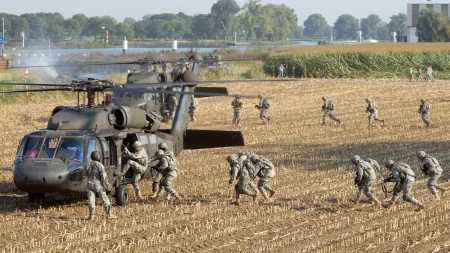
In the quiet hours of a Saturday morning, as the world observed the holy month of Ramadan and many Jews marked Shabbat, the skies over Tehran erupted in a symphony of chaos that would rewrite the annals of espionage and warfare. It began like any other day for Iran’s elite leadership—conversations humming about strategy, power plays unfolding in opulent halls—but in an instant, precision strikes from Israel turned that normalcy into a nightmare. Imagine the scene: families in Tehran stirring for morning prayers or breakfast, children playing in courtyards, unaware that high above, an invisible armada was zeroing in. This wasn’t just an attack; it was a calculated gambit to decapitate a regime that has long been a thorn in the side of global stability. Israeli Defense Forces (IDF) announced that they had struck multiple locations across the Iranian capital, targeting gatherings of senior officials. More than 40 key figures in Iran’s security and defense apparatus perished, striking at the very core of the Islamic Republic’s power structure. It’s hard to fathom the human cost—lives abruptly ended, families shattered in seconds, a nation stunned as its guardians fell. This operation, claimed to be one of the largest in modern history for dismantling a leader’s inner circle, felt almost surreal, like a plot straight out of a thriller novel. Yet, for those in Tehran, it was brutally real: sirens wailing, panic spreading, as the reality of Israel’s long reach pierced the air. People stopped in their tracks, whispering prayers or clutching smartphones for news, the weight of history bearing down in a day that should have been peaceful. President Donald Trump would later hail it as justice, but on the ground, it evoked a cocktail of fear, anger, and profound loss. The strikes weren’t random; they were surgical, aimed at severing the head from the body of Iranian influence before it could strike first. Mothers rushed to schools to collect their kids, husbands called wives in panic, while officials in bunkers scrambled to assess the rubble. In this moment, geopolitics morphed into visceral human stories—widows mourning loved ones who were architects of a regime’s dark ambitions, ordinary Iranians questioning if this could herald change or deepen their isolation. The air was thick with the smell of smoke and the echo of explosions, a reminder that war, even when precise, leaves scars on the soul.
Profiles of Power Lost: The Men Behind Iran’s Shadows
Diving deeper into the human faces behind the news, each of the 41 leaders reportedly killed had a story that shaped Iran’s aggressive posture toward the West, and now those stories end abruptly. Ali Shamkhani, the Secretary of the Iranian Security Council and a close advisor to Supreme Leader Ayatollah Ali Khamenei, was a mastermind of intrigue, his life dedicated to protecting the revolution’s secrets. Friends and colleagues might remember him as the quiet strategist, a father to grown children, perhaps sharing quiet dinners with Khamenei to plot against perceived enemies. Mohammad Pakpour, the commander of the Iran Revolutionary Guard Corps for operations linked to Lebanon, embodied the regime’s vow to eradicate Israel—he was praised internally as a hero in what they called the “destruction of Israel” plan, but to others, he was a symbol of unyielding hostility. Imagine his wife and children back home, perhaps in a modest Qom villa, receiving news that turned their world upside down, grief mingling with the propaganda machines already spinning tales of martyrdom. Saleh Asadi, heading the Intelligence Directorate, wasn’t just an official; he had connections, family roots in the clergy, a man who climbed the ranks through loyalty and cunning, maybe dreaming of a stable legacy for his descendants. Mohammad Shirazi, who had served the Supreme Leader’s Military Bureau since 1989, knew Khamenei intimately, probably advising on everything from spiritual matters to battlefield tactics—his death meant losing a bridge between religion and state. Then there was Aziz Nasirzadeh, the Defense Minister, a public face who rallied troops and negotiated with allies, yet privately a burdened administrator juggling budgets and threats. Hossein Jabal Amelian oversaw projects that sent shivers down spines: nuclear, biological, and chemical advancements, his research paving paths many wished he hadn’t. Reza Mozaffari-Nia, his predecessor, had similar duties, a career spent in labs and meetings, now extinguished. These weren’t faceless tyrants; each was a human being with families, hobbies—maybe Shirazi enjoyed calligraphy, or Shamkhani reminisced about pre-revolution days. Their deaths rippled through networks of relatives, subordinates paralyzed with fear, successors scrambling amid the void. For Iranians, this wasn’t just loss of elites; it was a mirror reflecting their own repressed hopes, wondering if the regime’s pillars crumbling could crack open doors to freedom.
Beneath the Bombs: The Intelligence Mastery That Made It Possible
The audacity of striking in broad daylight during Ramadan defied conventional wisdom, a tactical marvel rooted in deep Israeli intelligence infiltration into Iran’s highest echelons. Sources revealed that the operation’s timeline was accelerated because of a rare “target of opportunity”—senior leaders converging at a Tehran compound for a critical meeting, their security momentarily lax. It’s a testament to the shadows where spies operate, men and women risking everything to gather whispers of plans, locations, and vulnerabilities. One can picture the Israeli operatives, perhaps Mossad agents posing as businessmen or diplomats, piecing together puzzles over months or years—listening to encrypted calls, briefing rooms filled with maps and grainy photos. This wasn’t brute force; it was cerebral warfare, where a single informant could unleash the storm. The IDF’s strikes hit multiple sites in Tehran, targeting rooms where these men discussed power, threats, and perhaps even their own doubts about Khamenei’s fading grip. A senior U.S. official described it as “massive, wildly bold,” catching the Iranian elite off guard mid-prayer or morning coffee. Ramadan’s fasting hours might have thinned crowds, allowing easier access, but the Shabbat timing on Israel’s side added a layer of twofold surprise. For the Iranians, it felt like betrayal from within—how had their inner sanctum been so exposed? Families of the slain would question: Was there a mole at the table, someone they trusted? Emotions ran high: anger at Israeli daring, shame over compromised defenses, but also glimmers of hope for those weary of authoritarian rule. Survivors in the Iranian government, likely shell-shocked, huddled in safer havens, knowing their ranks were decimated. This intelligence victory carries a human toll too— operatives back home celebrating quietly, but carrying the weight of blood on their hands, or the informants in Iran living in paranoia, fearing reprisals. It’s a brutal chess game where pawns like these pay the ultimate price, leaving widows to rebuild lives amid whispered conspiracies.
Trump’s Vow of Justice: A Leader’s Triumphant Cry
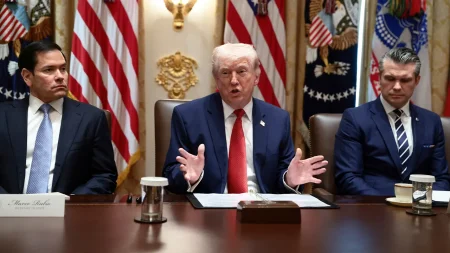
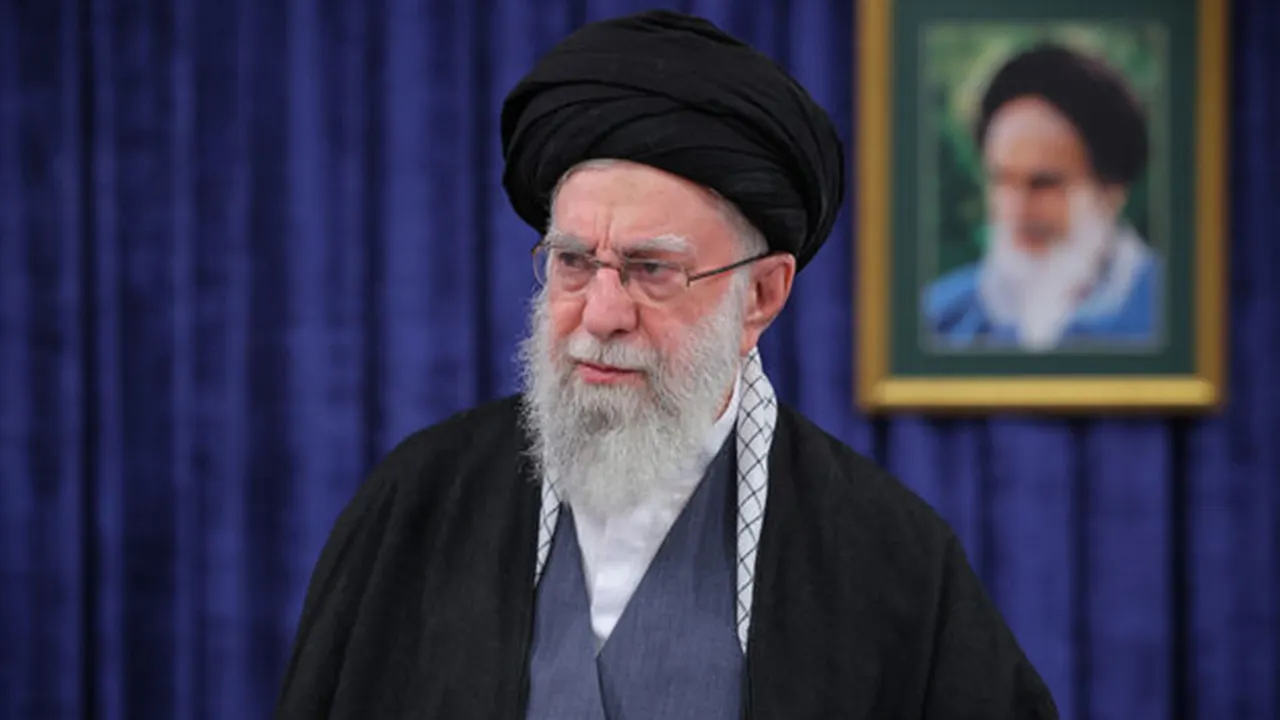
President Donald Trump didn’t mince words in his Truth Social post, calling the strike a deliverance of justice for Americans and victims worldwide traumatized by Iranian-backed horrors. “Khamenei, one of the most evil people in History, is dead,” he declared, his bold proclamation echoing his signature style—unfiltered, confrontational, rallying a base that saw him as a shield against global threats. For millions following the drama, this felt like vindication, a redemptive arc in a presidency marred by division. Trump painted Khamenei not just as a geopolitical foe but as a personal villain, “bloodthirsty thugs” whose actions mutilated innocents in attacks sponsored by Tehran. In homes across America, people refreshed their screens, a mix of relief and disbelief washing over them—like survivors of previous tragedies finally exhaling. This wasn’t politics; it was catharsis for families of hostages or victims of drone strikes, a moment that humanized their pain through Trump’s fiery words. He framed it as a gift to Iranians longing for liberation, bridging divides in his “America First” narrative. Yet, beneath the bravado, Trump’s stance invited reflection: Was this hyperbole or foresight? Supporters flooded social media with “finally” memes, while critics warned of escalation. For特朗普, it was about legacy, proving his 2024 comeback as a peacemaker in tough ways. Ordinary Americans connected it to personal stories—veterans from Middle East tours, or parents fearing for kids in a volatile world. The human angle here is Trump’s own journey: a businessman-turned-president, now a herald of retribution, his post a beacon for those battered by terrorism. It stirred debates in kitchens and boardrooms alike, making global tension feel intimately American.
Echoes of Chaos: Ramadan Intertwined with Rubble
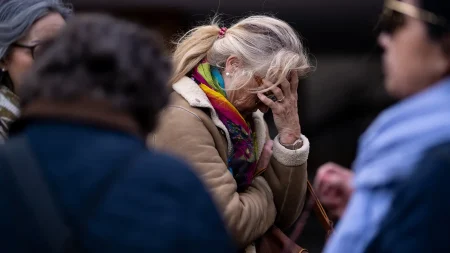
The timing during Ramadan added a poignant layer, transforming a holy season of fasting, reflection, and community into one of mourning and defiance. Families breaking their fasts under Ramadan moons were instead jolted by explosions, prayers interrupted by sirens—a day meant for spiritual renewal now scarred by ashes. In Tehran, mosques filled with shaken congregants, imams wrestling with how to frame this divine intervention or test of faith. Children, excited for iftar feasts, found themselves huddled in shelters, their innocence pierced by grown-ups’ fears. Ramadan stories often feature resilience and charity, but here, it underscored vulnerability: how even the faithful’s sanctuaries were not spared. For Iranians, this was deeply personal—mothers wondering if their sons, soldiers or civilians, would survive the fallout, fathers holding loved ones through tremors. The strikes exposed power imbalances, yet also united in grief; strangers shared water and prayers in the streets. Islam’s essence of mercy clashed with cries for vengeance, humanizing the regime’s figures as devout Muslims felled in their prime. Survivors recounted hijinks or heartfelt conversations from the compound, now bittersweet memories. Globally, Muslims empathized, seeing echoes of their own struggles, while others questioned the ethics of striking during sacred times. This humanized the geopolitics: not just leaders, but a people grappling with fragility, their lives forever altered by a single morning’s audacity.
Unveiling the Void: What Now for Iran After the Regime’s Crown Falls?
As the dust settles, the void left by Khamenei’s death exposes a precarious Iran, its future hanging in balance with the Revolutionary Guard Corps (IRGC) grappling for control. Who steps into this abyss? Speculation swirls around potential successors—hardliners like Ebrahim Raisi or reformers like Masoud Pezeshkian—but the IRGC’s iron grip suggests continuity through turmoil. For everyday Iranians, this signals faint hope: perhaps the regime’s facade weakens, allowing suppressed voices to rise. Women in hijabs whisper of freedoms curtailed; students dream of universities unshackled; dissidents hiding international attention eras. Yet, the human price is stark—orphans navigating grief, a populace fearing reprisals or invasion. Iranian families, diverse in ethnicity and belief, share anxiety: Kurdish uncles proud of Iran, Azeri cousins wary of Tehran, all pondering if strikes bring change or isolation. The IRGC, survivors hardened, vows retaliation, escalating tensions with Israel and the U.S., dragging in allies like Hezbollah. Economically, sanctions-battered lives suffer more: breadwinners lost, inflation soaring, moms rationing meals. Globally, allies like China and Russia recalibrate, while sympathizers in Yemen and Lebanon rally. Trump’s endorsement flips scripts, empowering skeptics. Ultimately, this decapitation unearths humanity’s fragility—regimes fall, but people’s resilience endures through sorrow and yearning for peace. In homes worldwide, stories of loss and rebirth emerge: one widow planting flowers in memory, another activist organizing covertly. Iran’s arc bends toward uncertainty, but human spirit whispers possibility amid the rubble. Fox News’ breakthrough audio feature invites listeners to immerse in this tale, voices narrating the shock, adding depth to digital scrolls. This saga reminds us wars ravage lives, yet listeners bridge empathy, turning headlines into heartfelt tapestries. As Ramadan reflections blend with geopolitical shadows, humanity yearns for dawn’s compassion over night’s angst.