






The Shadows of Violence in Maiduguri
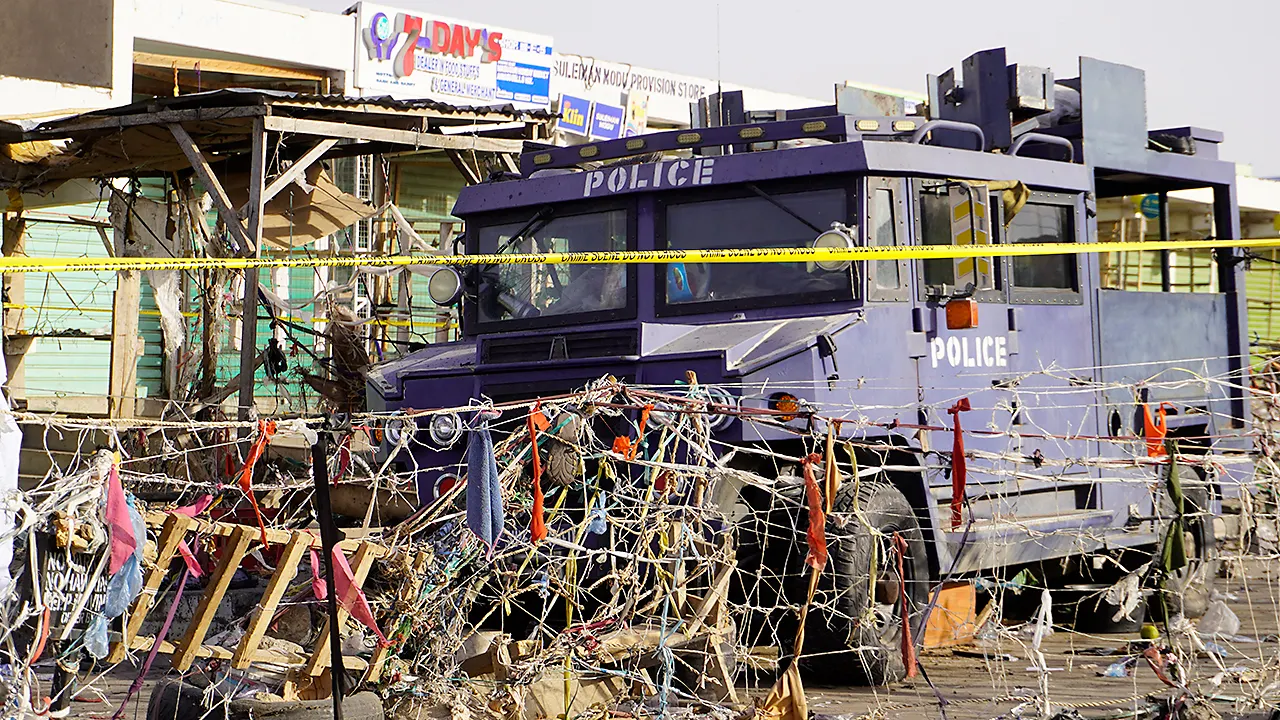
The year is 2024, and in the bustling heart of Maiduguri, Nigeria’s northeastern metropolis, a ordinary Monday evening turns into a nightmare of unimaginable terror. As the sun dips low, casting long shadows over crowded streets filled with the hum of daily life—vendors hawking their wares, families shopping for evening meals, and patients seeking care at the University of Maiduguri Teaching Hospital—the air erupts in three deafening explosions. By Tuesday morning, officials confirm the grim toll: at least 23 lives lost, more than 100 injured, many grappling with severe wounds that will scar their bodies and spirits forever. This isn’t just another statistic in a troubled region; it’s a stark reminder of the fragility of peace in a city that has known relative calm in recent years. The attacks begin around 7:30 p.m., starting at the hospital’s main entrance where security personnel struggle to maintain order against unseen threats. Moments later, blasts rock the vibrant Monday Market, a place of commerce and community, and a nearby post office hub, scattering panic like dust in the wind. Suspected suicide bombers, driven by radical ideologies, are blamed for the carnage, striking in areas packed with unsuspecting civilians. The Associated Press reports that security forces rush to the scenes, but the damage is done—buildings charred, streets stained with blood, and a community’s hope shattered. For the people of Maiduguri, who have long battled the ghosts of insurgency, this feels like a personal violation. Neighbors turn to each other for solace, comforting the wounded and grieving the dead. In a nation rich in culture and resilience, where music, food, and faith intermingle, such acts of violence cut deep, amplifying fears of a wider conflict. Families huddle in homes, wondering if tomorrow will bring more sirens and sorrow. Officials describe the injured as enduring “varying degrees of injuries,” from shattered limbs to traumatic shock, underscoring the indiscriminate cruelty. Yet amid the despair, stories of heroism emerge—rescuers pulling survivors from rubble, doctors working tirelessly through the night. This event isn’t isolated; it’s woven into the tapestry of Nigeria’s complex history, where economic disparities, political instability, and religious tensions simmer beneath the surface. Maiduguri, once a beacon of education and progress, now stands as a battleground, its people yearning for the stability that has eluded them since the Boko Haram uprising began over a decade ago. The bombings serve as a brutal wake-up call to a world often distracted by its own troubles, highlighting how terrorism exploits human vulnerabilities. As international headlines flash with calls for action, locals recount tales of loss—children orphaned, breadwinners gone, dreams deferred. The air smells of smoke and fear, but also of defiance, as communities vow to rebuild stronger, refusing to let hatred define their narrative. These are not just victims; they are survivors with stories full of heartache and hope, reminding us that behind every number lies a life, a family, a future interrupted.
Echoes of Tragedy at the Hospital Gates
Zooming in on the first explosion, imagine the scene at the University of Maiduguri Teaching Hospital, a lifeline for the sick and vulnerable. Caleb Jonah, a kind-hearted man in his late 30s, shares his harrowing account with the Associated Press, his voice trembling as he recalls the chaos. “I was coming to check on a patient when I saw two men struggling with security at the gate,” he says, his eyes reflecting the terror of that moment. “Before I could make sense of it, a deafening blast hit—I passed out.” When Jonah awakens, the world is a haze of pain and confusion. His legs and hands are mangled, fresh wounds pulsing with agony, but he’s alive, a testament to unspoken grace. Doctors at the hospital, already overburdened by Nigeria’s healthcare challenges, scramble to treat him and dozens of others: broken bones, burns, and the invisible scars of trauma. The second explosion follows swiftly, this time at the Monday Market, a cacophony of stalls brimming with fruits, spices, and handmade crafts—a place where norms of village life persist even in urban sprawl. Vendors and shoppers alike are caught unaware, the blast detonating near a hub of energy and camaraderie. Shrapnel flies like angry bees, tearing through flesh and fabric, leaving families torn apart in an instant. Survivors speak of the acrid smell of gunpowder mixing with the stench of fear, of friends shielding loved ones only to be overwhelmed themselves. The third site, a post office a few miles away, serves as a conduit for communication in a region where connectivity is prized. Postal workers, exchanging packages and letters from far-flung kin, become collateral damage in a senseless assault. Eyewitnesses describe the ground shaking, windows shattering, and a chorus of screams rising above the night. Among the wounded are students, merchants, and elders—each a thread in Maiduguri’s social fabric, now frayed. Medical teams work round the clock, administering painkillers and stitching wounds, but the toll is deeper than physical: psychological wounds linger, manifesting as sleepless nights and haunted gazes. Jonah’s story resonates beyond his pain; it humanizes the statistics, showing how one man’s pursuit of compassion plunged him into horror. In this chaos, doctors recount tales of resilience—patients sharing beds, volunteers donating blood, and prayers echoing in the corridors. The attacks underscore a cruel irony: institutions meant for healing targeted for destruction. Yet, from this darkness emerges light; communities rally, sharing resources and stories, turning strangers into brothers and sisters. It’s a poignant illustration of Nigeria’s spirit, where strength is forged in adversity, and every act of kindness counters the terror. As Jonah heals, he vows to advocate for peace, his experience a catalyst for change, inspiring others to question how such violence can persist in a world craving unity.
A Leader’s Condolences Amid National Turmoil
President Bola Tinubu, Nigeria’s head of state, reacts swiftly to the carnage, his words a mix of empathy and resolve. Departing for a two-day visit to the United Kingdom on Tuesday, he pauses to offer heartfelt condolences, acknowledging the profound loss felt by families and the nation. “These Monday attacks were desperate acts of evil-minded terrorist groups,” he declares, his voice steady yet tinged with sorrow. “Our gallant military and civilian task forces will curtail and put them down.” For Tinubu, a former Lagos governor known for his pragmatic politics, this is more than a statement; it’s a promise to his people, many of whom view him as a beacon of progress amid economic woes and insecurity. He instructs security chiefs to “take charge” in Maiduguri, deploying additional forces along major roads and key sites, transforming the city into a fortified stronghold. Cameras capture the president bowing his head in reflection, his patriotism evident in the lines on his face—etched by years of leadership in a diverse, dynamic country. This response isn’t isolated; it aligns with broader government efforts to combat extremism, including military offensives that have reclaimed territories from insurgents. Yet, critics whisper that words alone won’t suffice, pointing to corruption and resource shortages that hinder security. Tinubu’s UK trip, meanwhile, offers a diplomatic lifeline, allowing him to seek international support for Nigeria’s struggles. Back home, locals appreciate the gesture, seeing it as validation of their pain. Medical teams report overwhelmed wards, with Tinubu’s administration pledging aid to ease suffering. For families mourning lost loved ones, the president’s message provides solace, reminding them they’re not forgotten. He speaks of unity in diversity, evoking Nigeria’s motto—”No surrender”—as a rallying cry. In interviews, one grieving mother shares how Tinubu’s words stirred her resolve to rebuild, turning her grief into activism. This human element of leadership shines through, showing how a single figure can inspire collective hope. As security ramps up, checkpoints become hubs of vigilance, blending military precision with community patrols. Tinubu’s approach humanizes governance, prioritizing people over politics, and fosters a narrative of resilience. While challenges remain, his actions signal that Nigeria is fighting back, one compassionate step at a time.
The Scars of Boko Haram’s Legacy
To grasp the full weight of Maiduguri’s ordeal, one must delve into Boko Haram’s shadow, a terrorist group that has plagued northeastern Nigeria since 2009. Born from radical interpretations of Shariah law, the militants initially decried Western education as “forbidden,” morphing into a full-blown insurgency that has claimed tens of thousands of lives. No group has officially claimed Monday’s attacks, but suspicion points squarely at them—suspicion fueled by years of similar tactics, including suicide bombings targeting civilians. Over the years, Boko Haram has evolved, splintering into factions, some pledging allegiance to Islamic State, bolstering their arsenal with sophisticated weaponry and an army of thousands. They’ve terrorized villages, abducted schoolgirls, and enforced brutal regimes in seized territories, leaving scars on the landscape and psyche of the region. Maiduguri, once a bustling center of culture and commerce, has been ground zero for much of this violence, yet in recent years, it’s enjoyed a fragile peace, with military gains pushing extremists to rural outskirts. Monday’s assaults shatter this illusion, underscoring how insurgency remains a smoldering ember, ready to ignite at any provocation. Villagers displaced by past atrocities share stories of forced marches, cultural erasure, and the constant fear of raids—narratives that humanize the data of conflict. Widows recount lost husbands, orphaned children dream of normalcy, and farmers lament fields abandoned to militants. This isn’t just warfare; it’s a humanitarian crisis, with millions affected by displacement, hunger, and trauma. International efforts, including U.S. airstrikes under former President Trump, have chipped away at Boko Haram’s strength, branding them “terrorist scum” and offering tactical support. Nigerians applaud such interventions, as seen in First Lady Oluremi Tinubu’s praise of the strikes as a “blessing.” Yet, experts warn that root causes—poverty, lack of education, and political marginalization—fuel the fire. Humanitarian groups like Red Cross work tirelessly, distributing aid and rebuilding communities, their volunteers embodying hope amid despair. Across Nigeria, prayers rise from mosques and churches alike, bridging divides in a call for peace. Maiduguri’s people, weary but unbowed, strive for a future where their children can play without fear, transforming personal losses into collective strength. This history isn’t abstract; it’s lived daily, in the quiet heroism of those who endure.
Voices for Change: Humanitarian Pleas and Religious Persecution
Brad Brandon, CEO and founder of Across Nigeria, a Christian nonprofit dedicated to spreading God’s love through Jesus Christ, delivers a impassioned plea that echoes the broader Christian crisis in Africa. For Brandon, these attacks are profoundly personal—a visceral blow amid his mission to uplift Nigeria and its neighbors. “As the CEO of Across Nigeria, I feel this devastation in my bones,” he says, his voice laced with anguish. “These acts remind us that radical Islamic groups operate unchecked, perpetrating what amounts to genocide against Christians, slaughtering thousands yearly.” His words highlight a dark undercurrent: systematic persecution where jihadi herdsmen and militants target Christians, kidnapping and killing with impunity. Experts corroborate this, noting a surge in 2024 attacks that drew global attention after Trump’s airstrikes. Brandon’s organization stands as a bastion of faith and action, transforming lives through education, healthcare, and spiritual outreach in a region torn by violence. He condemns the perpetrators unequivocally, urging the U.S. government to intervene decisively and for media to expose “the hidden things of darkness.” This isn’t political rhetoric; it’s a cry from a man who’s seen communities shattered, families fractured by loss. Personal anecdotes abound—orphaned children rescued, widows empowered through vocational training— testifying to Across Nigeria’s impact. Brandon recalls visiting Maiduguri post-attack, witnessing rubble-strewn streets and tear-stained faces, his heart aching for the unnoticed. The organization’s volunteers, often locals risking their lives, embody courage, distributing relief while preaching peace. In a nation grappling with religious tensions—where Islam and Christianity coexist amid historical rifts—such voices bridge divides, fostering dialogue. Brandon’s plea resonates with a human face: not just activism, but compassion. He dreams of a Nigeria healed, where extremists yield to unity, and faith heals wounds. As international spotlights flicker, his message underscores how humanitarian work counters hate, turning victims into victors. This crisis isn’t distant; it’s a call to action for all, reminding us that behind headlines lie stories of faith, resilience, and untiring hope.
Looking Ahead: Hope Amidst the Ashes
As Maiduguri recovers, with heavy security blanketing affected sites and roads turning into vigilant watchtowers, a cautious optimism emerges. Tuesday brings reinforcement: soldiers patrolling markets, hospitals fortified, and communities organizing prayer vigils, blending sorrow with solidarity. Residents share meals, clean debris, and comfort each other, their spirits unbroken despite the fresh wounds. This resilience stems from Nigeria’s rich heritage—a mosaic of ethnic groups, languages, and traditions that have endured centuries of upheaval. Yet, the road to lasting peace is fraught; experts predict more attacks if root issues like economic inequality and militant safe havens persist. Humanitarian efforts intensify, with organizations channeling aid to rebuild lives—schools reopening, markets restarting, and therapy sessions mending minds. Calebs and Brads across the nation unite in advocacy, narrating their truths to a world often deaf to Africa’s plights. International collaboration, as seen in Trump’s strikes, offers a model, but locals stress the need for sustained support, not fleeting interventions. The 2024 assaults, linked to the broader African Christian crisis, prompted global scrutiny, with leaders pledging diplomatic and financial aid. For Maiduguri’s survivors, tomorrow holds promise: children laughing again, families reuniting, and a city reclaiming its vibrancy. Stories of kindness proliferate—strangers aiding the wounded, artists painting murals of hope—as voices rise against extremism. President Tinubu’s administration vows reforms, investing in education and security to prevent future woes. Humanitarian perspectives shine, with nonprofits like Across Nigeria exemplifying faith in action, transforming despair into destiny. This human saga teaches that tragedy can forge unforeseen kinship, urging humanity to confront darkness with light. As Nigeria mourns, it also inspires, proving that even in the abyss, the human heart can illuminate paths to peace.