





A Tragic Takeoff Over the Colombian Amazon
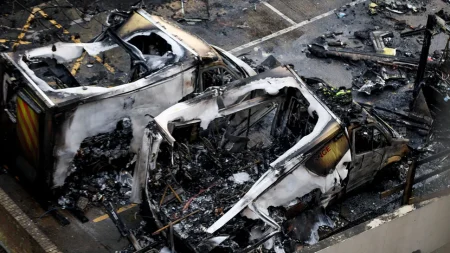
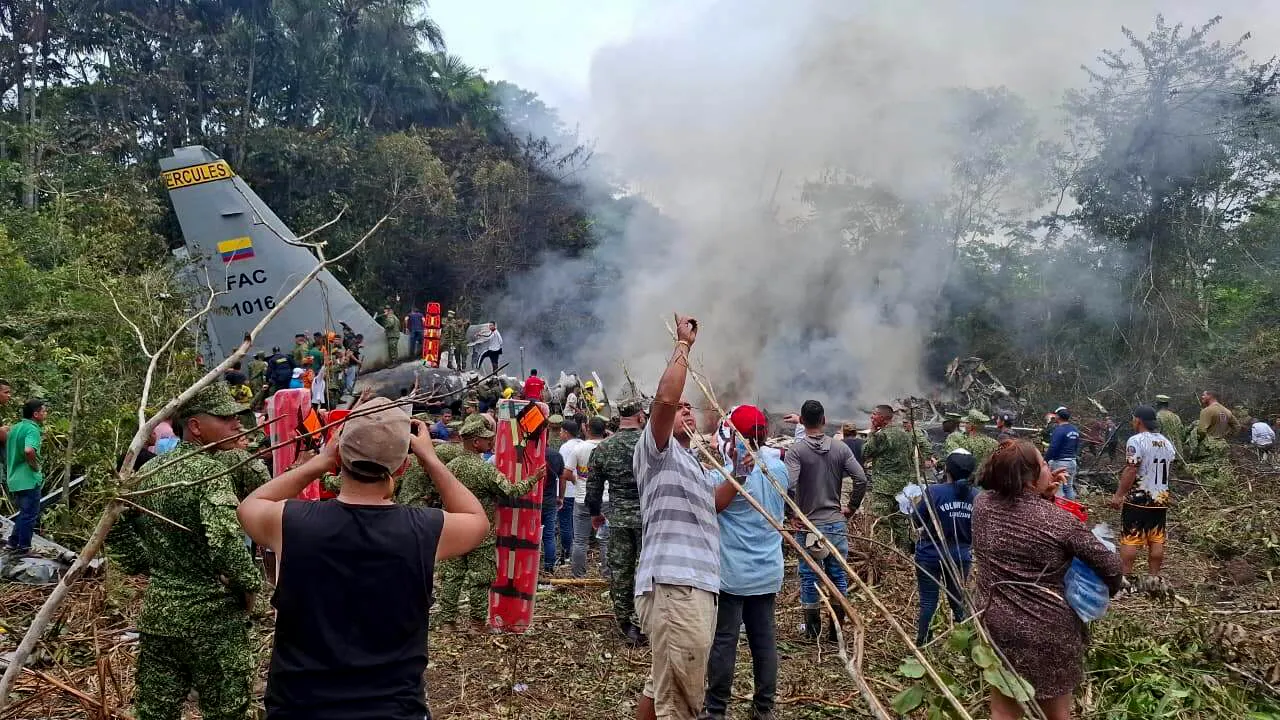
In the heart of Colombia’s lush Amazonian province of Putumayo, near the small town of Puerto Leguizamo bordering Ecuador and Peru, a routine military flight turned into a nightmare on a Monday afternoon. A massive Hercules C-130 transport plane, carrying 128 souls—mostly soldiers from the Army, plus 11 crew members and two police officers—crashed shortly after takeoff. Eyewitnesses described the scene as a scene from a war movie: the plane, loaded with troops heading to another city in the region, plummeted into a dense field just two kilometers from the airport, sparking a massive fireball. The air filled with the acrid scent of burning fuel and foliage, as black smoke billowed high into the sky. Lives, which had been full of purpose and duty, were suddenly extinguished in an instant, leaving families and a nation in shock.
The Heartbreak of Survivors and Heroes
Amid the chaos and heroism, local residents of Puerto Leguizamo sprang into action like angels in disguise. Videos circulating on social media captured the raw humanity of the moment: ordinary townsfolk, driving motorcycles, rushed injured soldiers to safety, their faces etched with urgency and compassion. Others formed bucket brigades to douse the raging flames with water from nearby homes, fighting to protect the surrounding jungle from spreading devastation. Deputy Mayor Carlos Claros, with tears in his eyes, praised the villagers for their bravery, saying they transported bodies to the town’s cramped morgue and treated wounded at its two humble clinics before helicopters airlifted many to hospitals in Bogotá and beyond. Out of the 128 aboard, 57 were evacuated—some clinging to life after the violent impact—but at least 66 perished, with four military personnel still unaccounted for. These weren’t just numbers; they were fathers, mothers, sons, and daughters whose futures were stolen in a heartbeat.
No Enemies, Just a Mechanical Failure?
As investigators combed through the twisted wreckage, early reports ruled out foul play from rebel groups lurking in the region’s shadowy jungles. General Hugo Alejandro López Barreto, head of Colombia’s armed forces, somberly confirmed the tragedy: “Sadly, as a consequence of this tragic accident, 66 of our military elements died.” He assured the public there were no indications of an attack by illegal armed groups. Yet, the mystery deepened—air force commander Carlos Fernando Silva revealed the plane “had a problem” soon after takeoff, something aviation experts would later link to the four-engine Hercules, donated by the United States in 2020 and overhauled three years ago with fresh inspections and parts. Why did the propellers fail so swiftly? Was it fatigue from reduced flight hours? The questions hung in the air like the smoke, haunting a nation already scarred by decades of conflict.
Presidential Words and National Soul-Searching
President Gustavo Petro, with the weight of leadership on his shoulders, used the crash as a painful call to action. In a fiery statement, he revived his long-standing push to modernize Colombia’s aging military fleet, blaming bureaucratic hurdles for dragging their feet. “If civilian or military administrative officials are not up to the challenge, they must be removed,” he declared, channeling the collective grief into a demand for accountability. Defense Minister Pedro Sánchez echoed the sorrow on X, calling it a “profoundly painful” wound for the country, urging prayers to ease the pain. But for those listening between the lines, it felt like a political thicket—critics argued that under Petro’s watch, budget cuts had slashed flight training hours, risking inexperienced crews on these vital missions. How many more lives might be endangered before change comes?
Experts Weigh In on an Aging Behemoth
Aviation analyst Erich Saumeth, who knows the innards of these flying machines, dismissed notions that worn-out parts caused the catastrophe. The C-130’s overhaul had replaced key components, ensuring reliability. Still, he cautioned that investigations must probe why this sturdy workhorse, designed for rugged terrains like Puerto Leguizamo’s, faltered so soon after leaving the runway. Saumeth’s expertise humanized the mechanical beast—it’s not just metal and fuel; it’s a lifeline for remote soldiers grappling with threats that still echo Venezuela’s refugee surge and regional instability. As families mourned by caskets and hospital beds, the crash spotlighted Colombia’s ongoing struggles, where heroism meets harsh reality in the world’s most biodiverse yet vulnerable frontiers.
Echoes of Resilience in a Time of Loss
In the end, this wasn’t just a accident—it was a stark reminder of the fragility of life, even for those trained to defend it.puerto Leguizamo’s resilient townsfolk, united in grief, embodied hope amidst despair, turning tragedy into tales of community strength. Sánchez’s words resonated across the nation: “We hope that our prayers can help to relieve some of the pain.” As Colombia processes this loss, the crash lingers as a call for better safeguards, ensuring that future takeoffs aren’t shadowed by preventable flaws. For the 66 who didn’t make it, their sacrifice underscores the human cost of duty, leaving loved ones to rebuild shattered dreams in the shadow of the Amazon.
Fox News Alert: You can now listen to the full article audio! Search for “Colombia Plane Crash” on our app or website to hear the details narrated for immersive storytelling.