




The Hidden Crisis: Christian Kidnappings in Nigeria’s Middle Belt
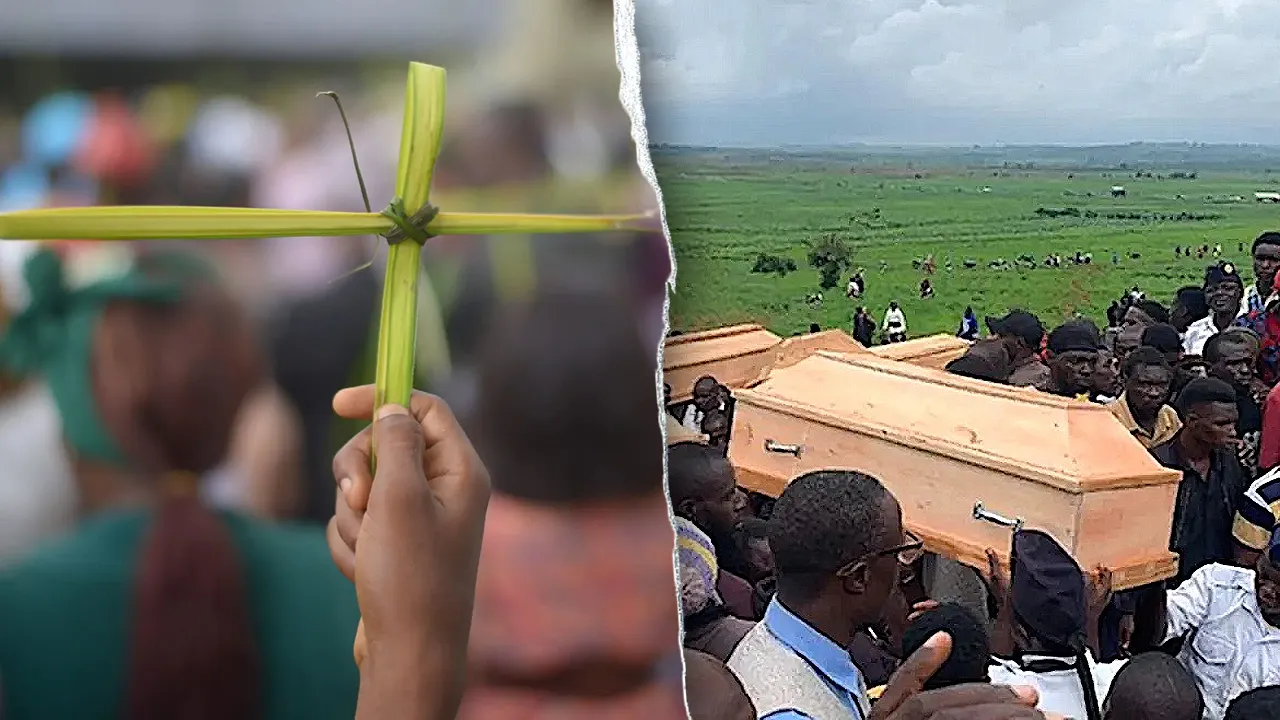
In Nigeria’s Middle Belt, a troubling pattern has emerged as predominantly Muslim Fulani militants systematically target Christian communities through kidnappings. What might appear as random criminal activity reveals itself as something far more strategic and sinister upon closer examination. This crisis represents not just a threat to individual lives but an existential challenge to entire Christian communities in the region.
According to Steven Kerfas, lead researcher for the Observatory for Religious Freedom in Africa (ORFA), these kidnappings serve a dual purpose: funding terrorist activities while simultaneously bankrupting Christian communities. The process is brutally efficient – militants abduct large groups of Christians, sometimes as many as 100 at once, and march them into forests where they’re held captive for months. Families, desperate to secure their loved ones’ release, are forced to sell everything they own – including the very farmland that provides their sustenance. “By the time you release them, what do they go back to? Nothing,” Kerfas explained. This creates a devastating cycle where even those who survive the ordeal return to communities stripped of resources and unable to rebuild their lives.
The targeted nature of these abductions is reflected in alarming statistics gathered by Open Doors UK, a charity supporting persecuted Christians worldwide. Between 2020 and 2025, they documented 4,407 Christians abducted in north-central Nigeria. When adjusted for population, Christians were 2.4 times more likely than Muslims to be kidnapped. Henrietta Blyth, CEO of Open Doors UK, described how kidnappers specifically raid churches and schools, with clergy members considered “high-value targets.” The financial demands create impossible situations for families who must sell land, livestock, and property to meet ransom demands – effectively bankrupting them for generations. Even more horrifying is what Blyth calls the “horrific dilemma” facing Christian communities: pay ransom knowing it funds further attacks, or refuse and risk their loved ones being killed. In some heartbreaking cases, families pay everything they have only to discover their loved ones have been killed anyway, as happened with Reverend James Audu Issa, who was murdered in 2023 despite ransom payment.
Nigerian lawyer Jabez Musa (a pseudonym used for protection) confirms the religious targeting, stating bluntly, “In the Middle Belt, they kidnap Christians, they kidnap the clergy, they abduct women. They hardly kidnap any Muslims.” The financial burden these attacks place on Christian communities is staggering. In April 2024, just one church denomination – the Evangelical Church Winning All (ECWA) – reported paying 300 million naira (approximately $205,000) to secure the release of about 50 members kidnapped in Kaduna and Plateau states. Such enormous payments strain not just individual families but entire church communities to their breaking point, which appears to be precisely the point. As Kerfas puts it, “The Fulani militants are on a jihad, and, of course, they need to fund that jihad. So the Christians being abducted have to cough out huge sums as ransoms.”
For Christian communities in the Middle Belt, the situation presents an impossible choice. Refusal to pay ransoms typically results in the death of those kidnapped. Yet even payment offers no guarantee of survival, as some victims are killed regardless. This systematic approach appears designed to achieve what many observers describe as the militants’ ultimate goal: the elimination of Christian presence in the region through economic destruction rather than direct military confrontation. By forcing Christians to deplete their resources through ransom payments, militants effectively ensure these communities cannot sustain themselves economically, leading to displacement, poverty, and eventually, disappearance.
The plight of Nigeria’s Christians highlights a troubling intersection of religious persecution, terrorism financing, and economic warfare. While the Nigerian government has had some successes – such as the recent rescue of 24 kidnapped schoolgirls in Kebbi – the broader pattern continues largely unabated. For Christian communities who have lived in the Middle Belt for generations, the future appears increasingly precarious. Their story is not just about religious conflict but about a calculated strategy to erase communities through financial depletion. As kidnappings continue and ransoms drain resources, these Christians face not only the immediate trauma of abduction but the long-term prospect of losing their homes, their livelihoods, and ultimately, their place in the region they’ve long called home. Without more effective intervention, the Middle Belt’s Christian communities may find themselves facing a quiet but devastating form of erasure – not through dramatic violence alone, but through the methodical destruction of their economic viability.