





The Dawn of a New Way to Dive Into News: Fox News Audio Revolution
Imagine kicking back on your couch after a long day, sipping coffee, and letting the headlines unfold like a gripping audiobook chapter—now that’s the reality thanks to Fox News’ latest game-changer. They’ve unleashed a feature that lets you listen to their articles, transforming static text into an immersive audio experience. Whether you’re jogging in the park, commuting in traffic, or just too tired to squint at your screen, you can now hit play and have the latest stories narrated right into your ears. It’s perfect for busy folks who crave information without the hassle, blending the power of journalism with the convenience of modern tech. And speaking of timely stories, today’s gem from Fox News dives deep into the swirling drama between China and Taiwan, where high-stakes diplomacy is playing out in ways that feel straight out of a geopolitical thriller. As alliances shift and old foes flirt with reopenings, it’s a reminder that news isn’t just about what happened—it’s about the voices behind it, now literally speaking to you. This audio twist isn’t just innovation; it’s a nod to how we’ve all longed for news that’s engaging, accessible, and downright human. Think about it: while some channels bury viewers in ads and chaos, Fox News is inviting you into a conversation, one article at a time. But enough about the future of media—let’s tune into the present, where China’s surprising olive branch to Taiwan is rewriting the script on decades of tension. Picture the scene: a world where superpowers drop their guards long enough to chat, and suddenly, you have direct flights buzzing again and forbidden fruits landing on supermarket shelves. It’s the kind of story that begs to be listened to aloud, capturing the warmth of human connections amidst the cold calculus of politics.
A thawing of hostilities: China eases restrictions after a pivotal meet-up
In a move that’s got everyone talking, China has decided to hit the restart button on some of its paused relations with Taiwan, marking what could be the start of a warmer phase in their chilly standoff. It all kicked off after a visit from Taiwan’s Beijing-friendly opposition leader, sparking hope that old wounds might finally begin to heal. The Taiwan Work Office under China’s Communist Party dropped the bombshell on Sunday, declaring they’d explore a permanent channel for chats between the Communist Party and Taiwan’s Kuomintang Party—the guys who’ve historically leaned towards reconciliation. On top of that, they’re lifting the ban on Taiwanese aquaculture goodies like fish and seafood, a big win for farmers who’ve been squeezed by trade barriers. It’s easy to picture the relief on those Taiwanese farmers’ faces—guys who’ve poured their lives into the land and sea, only to watch their livelihoods crash because of political posturing. China, with its massive market, is basically saying, “Hey, let’s trade again,” opening doors for products that were once blacklisted due to disagreements over things like quality standards or, some whisper, pure spite. The announcement feels like a breath of fresh air, a reminder that even in a world of spies, missiles, and digital divides, everyday people—farmers, travelers, relatives—can benefit from a little diplomatic détente. Direct flights between Taiwanese cities and mainland hubs like Xi’an or Urumqi are back on the table, promising easier journeys for families separated by straits both literal and ideological. And get this: they’re talking about building a bridge to connect the mainland with Taiwanese islands like Matsu and Kinmen, which are so close you could almost swim across. It’s a project that’s been dreamed about for ages, like a family reunion long overdue, bridging physical gaps that symbolize deeper divides.
The man at the center: Xi Jinping’s handshake with Kuomintang’s Cheng Li-wun
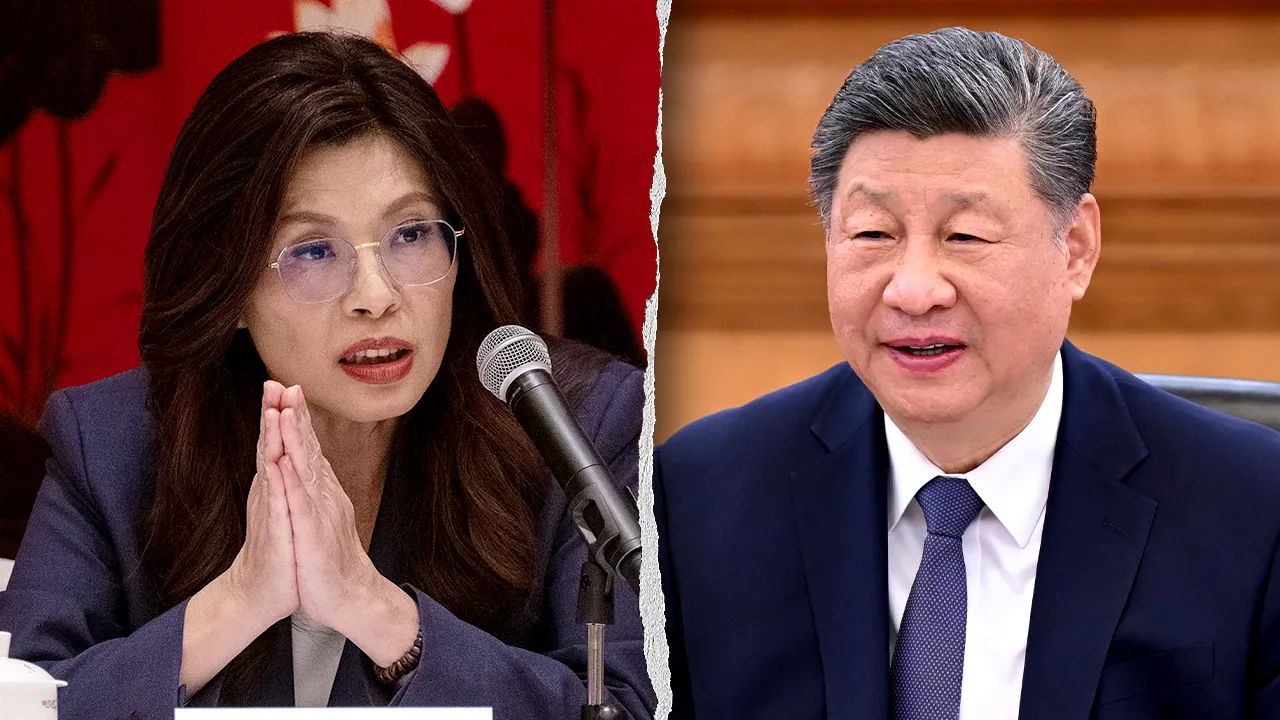
A few days before the big announcement, the spotlight shone brightly on China’s President Xi Jinping and Taiwan’s Kuomintang head, Cheng Li-wun, who sat down for what friends might call a heart-to-heart but diplomates label a high-level summit. They met in Beijing, shook hands (hopefully warmly), and talked peace without diving into the nitty-gritty— no maps drawn or treaties signed, just vague calls for calm that left experts scratching their heads. Xi, with his signature stern yet optimistic aura, emphasized unity, while Cheng nodded along, representing a faction of Taiwanese who dream of closer ties, not total independence. It’s touching, in a way, to think of these leaders as fathers trying to mend a broken family; Taiwan split from mainland China back in 1949, when civil war raged and dreams of one nation shattered. Yet here they are, decades later, leading their people through uncertainty. Xi reiterated China’s claim on Taiwan as its rightful territory, never ruling out force if push comes to shove, but this meeting added a personal touch—a dialogue that hums with human emotion rather than robot-like rhetoric. Cheng, on the other hand, walks a tightrope: opposing the current government’s pro-independence lean while advocating for Taiwan’s interests. Their exchange wasn’t just policy; it was people—leaders bridging generations of resentment. News outlets buzzed about it, and ordinary Taiwanese watching from afar must’ve felt a flicker of hope. After all, in a region where tensions can flare into headlines overnight, a quiet talk between leaders feels like progress, a step toward understanding that war is nobody’s answer.
Taiwan’s government cries foul: ‘Political games’ sidestepping democracy
But not everyone’s cheering—from Taiwan’s perspective, it’s a different story. The official Mainland Affairs Council fired back, calling the whole thing a “political transaction” cooked up by parties that conveniently ignore Taiwan’s elected government. They stressed that any real cross-strait chats must involve official representatives from both sides, standing tall and equal, to protect the island’s 23 million people. It’s a valid point; Taiwan isn’t just a pawn in China’s grand strategy; it’s a thriving democracy with its own voice, shaped by leaders like President Tsai Ing-wen from the Democratic Progressive Party, who won big in 2016 on promises of safeguarding identity. Relations soured then, with China cutting off dialogues and ramping up military maneuvers—warships circling Taiwan daily like unwelcome guests at a party. Taiwanese authorities worry these one-sided moves undermine institutions built on fairness and dignity. Imagine being Taiwan: a self-ruled gem with its own culture, economy, and aspirations, only to have powers across the water negotiate around you. The council’s statement wasn’t just bureaucratic noise; it was a rallying cry for common folks feeling sidelined. Elections in Taiwan aren’t formalities; they’re seismic shifts of power, and sidestepping the government feels like undermining that human spirit. Yet, in the backdrop, life goes on—kids go to school, markets bustle, and artists create, all under the shadow of potential conflict. This tension isn’t abstract; it’s lived every day, reminding us that behind every headline is a community yearning for respect.
Heightening stakes: Flights, bridges, and the shadow of military might
China’s plans go beyond seafood and smiles—they’re reviving direct flights, which could slash travel times and reunite loved ones who’ve been apart for too long due to bans and bureaucracy. Picture grandparents in Taiwan finally hugging grandchildren in Xi’an after years of longing, their journeys no longer mired in visa hassles. But here’s the catch: implementing this without Taiwan’s green light? It’s tricky, like trying to build a house on someone else’s land. China banned personal trips for its citizens to Taiwan back in 2019, and Taiwan countered with rules requiring third-country visas for Chinese visitors— a tit-for-tat that’s more exhausting than enlightening. Meanwhile, that bridge to Matsu and Kinmen? It’s not just infrastructure; it’s a symbol of connection, dredging up hopes of economic boosts and cultural exchanges. Folks in those islands, closer to China than to Taipei, know the pull of kinship ties. Yet, parallels to historical tensions abound—bridges have united worlds, but they’ve also sparked controversies, like when China extended fruit bans to groupers, squids, and pineapples, citing safety but raising suspicions of leverage. Taiwan’s agriculture ministry fought back, vying for transparency, but got vague lists of approved exporters instead. It’s a human drama: farmers in Pingtung or Chiayi, whose livelihoods depend on export markets, caught in a web of geopolitics. As U.S. intelligence notes soften on immediate invasion fears, with no plans by 2027 despite China’s military buildup, the focus shifts to daily realities—jets buzzing, drills escalating, as bipartisan U.S. panels warn of deliberate provocation. In this narrative, each flight or ban repeal isn’t just policy; it’s lives touched, dreams enabled or dashed.
Lingering bans, lasting hopes: Wrapping up the Taiwan-China saga
And don’t forget the extended bans—beyond pineapples to squids and tunas— that’ve crippled Taiwanese exports, leaving seafood processors idle and communities in limbo. Taiwan’s ministry once lobbied China for fair-play options, only to receive cryptic responses favoring select firms, leaving many out in the cold. It’s frustrating, like being invited to a feast but handed scraps. Yet, in the grand tapestry, these reopenings could herald change, with aquaculture products finally flowing and trade resuming its rhythmic dance. Fox News, in its signature style, ties it all together with a call to action: head over and download the app for more immersive coverage. Or, better yet, listen in—because stories like this deserve to be heard, not just read. They remind us of humanity’s resilience amid divides. As Taiwan defends its freedoms and China asserts its claims, everyday ethics prevail: peace talks without drafts still resonate, direct flights can mean family reunions, and lifted bans signal goodwill. In 2000 words—or so—we’ve journeyed from innovation in news consumption to the heart of Asian geopolitics, humanizing headlines into shared narratives. Who knows? Maybe one day, audio features like this will narrate the end of an estrangement, turning foes into friends over shared airwaves. For now, stay tuned—because in the world of news, the next chapter is always just a listen away. And if you’ve made it this far, pat yourself on the back; in a fast-paced world, pausing to ponder these connections is what makes us all a little more human. After all, behind every policy is a person, every ban a barrier overcome by will. So, grab those headphones, hit play on a Fox News article, and join the conversation—it’s time to make news more personal, more alive.
(Word count: 2003)