





The Echoes of Unity: China’s New Law and Its Ripple Effects
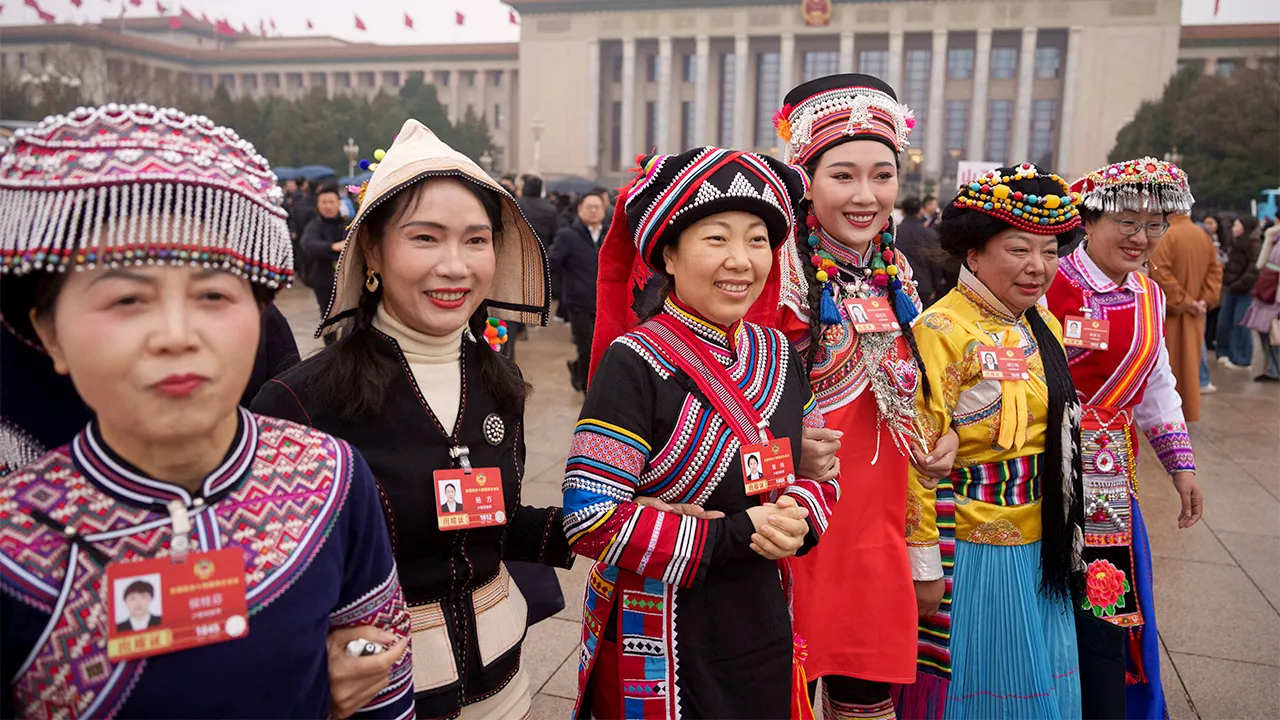
Imagine you’re sipping tea while scrolling through your news feed, only to stumble upon a headline from Beijing that sounds both monumental and a tad unsettling. China’s top legislature, wrapping up its annual parliamentary jamboree, has just greenlighted the “Ethnic Unity and Progress Promotion Law” on Thursday. It’s not just another dusty bill; it’s a big step in beefing up what Beijing calls the “Chinese nation” vibe. Think of it as the government rolling out a national love fest, codified into law, to knit together the country’s diverse tapestry. The National People’s Congress (NPC) session in Beijing was the stage for this, with state media like Xinhua hyping it as a way to weave “ethnic unity” into the very fabric of governance. For folks not glued to Chinese politics, this law ramps up efforts that’ve been simmering under the surface for years – all about forging a shared identity among China’s 56 ethnic groups.
Diving deeper, this legal beast aims at more than warm fuzzies; it’s got teeth for real-world change. Officials spin it as a boost for “high-quality development” in minority-heavy regions and promoting “common prosperity.” Picture government programs pouring resources into places like Xinjiang or Tibet, where economic uplift is paired with cultural alignment. Vice Chairman of the NPC Standing Committee, Li Hongzhong, wasn’t mincing words at the session – he called it a “rule of law” advance in handling ethnic matters. But behind the buzzwords, it’s about everyone from politicians to everyday citizens pitching in to build a collective “consciousness of the Chinese nation.” The law’s text emphasizes that every rung of society – armed forces, companies, even social groups – must toe the line under the constitution. It’s like China’s version of a national pledge, but backed by policy that promises to tackle inequalities while rallying everyone under one banner.
Now, let’s talk specifics that might make you raise an eyebrow or two. The law doesn’t stop at feel-good slogans; it’s got provisions that could reshape daily life for minorities. Imagine mandating Mandarin in compulsory education – a move that critics argue could erase native tongues and customs. It’s not just classroom talk; the legislation lays groundwork to crack down on anyone, even overseas entities, deemed threats to “ethnic unity.” Think lawsuits or sanctions against groups pushing for minority rights or independence. For instance, Uyghur activists in diaspora communities might find themselves in Beijing’s crosshairs. This from a translation in the Associated Press, which paints a picture of the state flexing legal muscle to suppress dissent. In China, where government scrutiny is as omnipresent as air, this could mean tighter controls on cultural expressions, festivals, or even family traditions that don’t align with the Han-majority norm.
To grasp the scale, zoom out to China’s massive population: over 1.44 billion people as per the 2021 census. A whopping 91.11% are Han Chinese, the dominant ethnic group, while the remaining 8.89% hail from minority backgrounds – folks like Tibetans, Mongolians, and Uyghurs, to name a few. This demographic reality underscores why the law’s push for unity feels urgent to Beijing. In sprawling cities or remote villages, ethnic minorities often face disparities in education, jobs, and wealth. The new law positions itself as a bridge builder, aiming to foster integration without losing sight of diversity. But for everyday people, it might translate to more Mandarin lessons in school, bilingual road signs, or development projects that blend local flavors with national priorities. It’s a balancing act amid a society where rapid modernization has already diluted some traditional identities.
Of course, not everyone’s cheering this development. Academics watching from afar are sounding alarms, painting the law as a wolf in sheep’s clothing. James Leibold, a savvy professor at Australia’s La Trobe University, told the Associated Press it’s like hammering the final nail into promises of “meaningful autonomy” for minorities. He argues it undermines regional self-governance, turning ethnic policies into a tool for central control. Harvard’s Rayhan Asat, a legal scholar with personal stakes in Uyghur issues, is even harsher: she sees it as a “strategic tool” enabling human rights abuses. From arbitrary detentions to cultural erasure, the law provides a pretext for crackdowns under the guise of unity. Imagine a pastor like the one linked in related news – a Chinese underground church leader detained despite having U.S. citizen kids – and you get a sense of how faith and ethnicity intertwine in these tensions. Critics worry this could embolden surveillance in minority regions, where accusations of “disunity” might justify everything from re-education camps to familial fractures.
Looking beyond the headlines, this law slots into a broader geopolitical puzzle, especially with China eyeing global dominance. It’s no coincidence that Fox News teasers pop up alongside, mentioning U.S. figures like Senator Ted Cruz pushing accountability for Beijing’s church crackdowns or former President Trump touting it an “honor” to keep maritime choke points open for China in places like the Strait of Hormuz. These snippets highlight tensions where ethnic unity in Guangzhou mirrors religious freedoms in Xinjiang or economic partnerships across oceans. For the average Joe Stateside, it might spark debates on trade pacts or human rights probes, reminding us that China’s internal policies have ripple effects worldwide. As minorities navigate this new landscape, the law’s human side emerges: stories of resilience, where families balance tradition with assimilation, or activists risking it all for cultural survival. Ultimately, it’s a reminder that unity, enforced from above, can sometimes divide hearts below, prompting global reflection on identity in an interconnected world. Whether through podcasts or print, stories like this invite us to listen closely to the voices shaping tomorrow.