

The Dramatic Fall of a Cartel Kingpin: Operation That Shook Mexico
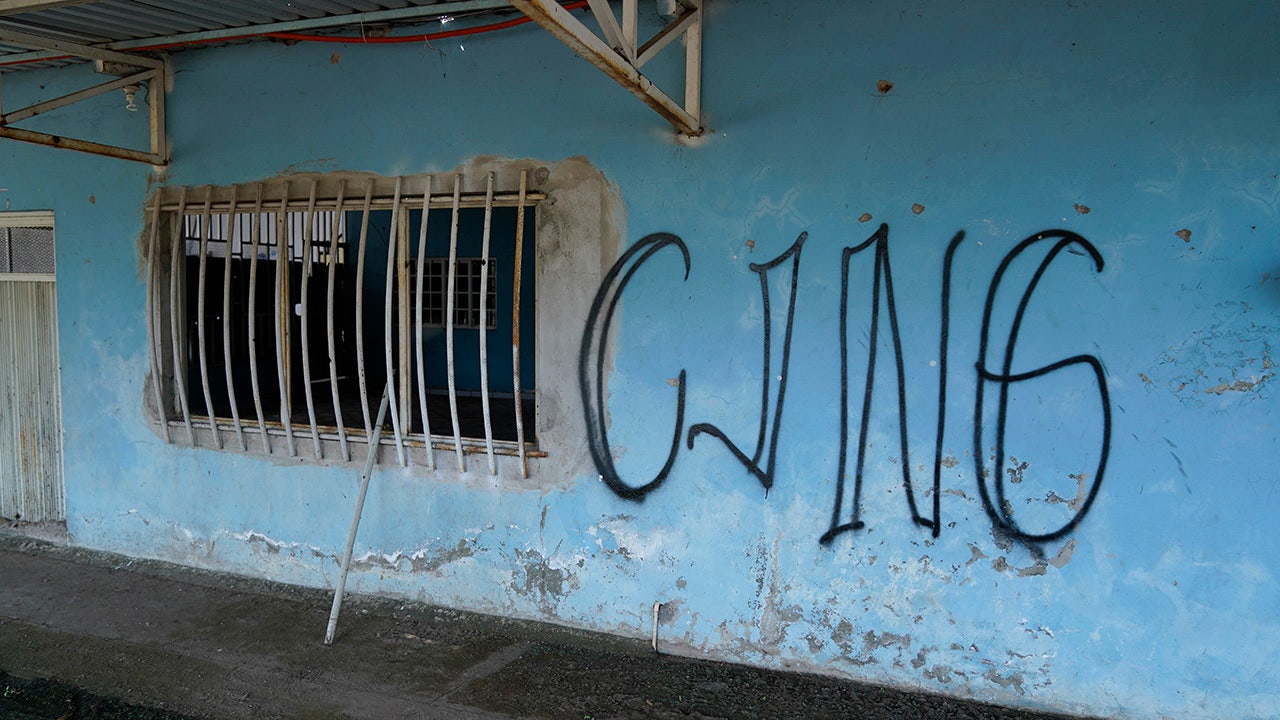
Picture this: It’s early morning in a remote corner of Mexico, where the sun is just beginning to pierce the fog of a dense jungle. Suddenly, the air fills with the roar of helicopters and the crackle of gunfire as elite Mexican Special Forces, backed by the Air Force and National Guard, launch a high-stakes raid. At the center of it all is Ruben “Nemesio” Oseguera Cervantes, better known as “El Mencho,” the notorious boss of the Jalisco New Generation Cartel, or CJNG. This wasn’t just any arrest; it was a brutal confrontation that ended with the cartel leader’s death and the seizure of weaponry that could have been plucked from a battlefield—rocket launchers capable of bringing down aircraft. As I reflect on the details pouring in from the scene, it’s hard not to feel the gravity of what this means for the war on drugs in Mexico. El Mencho, a man whose name evoked fear across borders, was no ordinary criminal. He had built an empire on violence, trafficking, and intimidation, and now, authorities say, his reign is over. Troop boots have stamped through his hideout, unearthing armored vehicles and heavy machinery that screams “insurgency” rather than street-level crime. It’s a vivid reminder that cartels like CJNG have escalated from shady smuggling rings to quasi-military powers, blurring the lines between gang warfare and outright rebellion against the state.
The roots of CJNG’s military might trace back to shocking incidents that echo through recent Mexican history. Remember the 2015 ambush in Jalisco? Cartel gunmen, emboldened and equipped, unleashed rocket-propelled grenades that downed a Mexican military helicopter in mid-flight—a direct, brazen assault that left everyone stunned. That attack wasn’t just kinetic; it was a psychological warfare tactic, signaling to the world that CJNG wasn’t messing around. Authorities at the time linked it squarely to the group’s leaders, painting a picture of a cartel that viewed federal forces not as inevitable enforcers, but as rivals to be engaged head-on. This incident was a wake-up call for Mexican officials, reshaping their strategy from piecemeal police actions to full-blown military operations. Imagine being a soldier in that helicopter, the whir of blades turning to chaos as explosives rip through the air—it’s the stuff of nightmares, and yet, it highlighted how groups like CJNG have amassed arsenals that outgun many developing nations. From small arms to exotic hardware sourced from black markets and corrupt suppliers, these cartels operate with a sophistication that rivals professional armies. The raid on El Mencho feels like payback for those lost lives, a moment where the state flexed its muscles against foes who’ve long thumbed their noses at the rule of law.
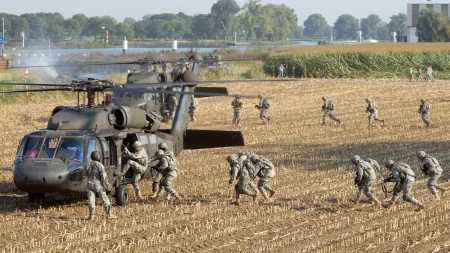
Delving deeper into the operation itself, it’s clear this was no half-hearted effort. Authorities describe a fierce firefight where special forces came under fire and responded with equal ferocity, deploying aircraft for aerial support and rapid-reaction units on the ground. The equipment seized speaks volumes: armor-plated vehicles designed for war zones, heavy weapons systems typically seen in international conflicts, not backyard brawls. As a reporter, I can almost hear the adrenaline-pumping shouts over radios as troops stormed the site, securing the area amid the tangle of vines and gunfire. This scale of force reflects the reality that confronting figures like El Mencho requires nothing less than a small army. Mexican agencies have learned the hard way that local police, often outgunned and outmatched, can’t handle paramilitary-style cartels. Instead, it’s the military that’s stepped up, treating these operations like counterinsurgency missions. Think about the pilots maneuvering choppers to evade ground fire, or the soldiers bracing for automatic weapons—it’s a battlefield in the heart of Mexico’s war on crime. The seizure of those rocket launchers isn’t just a trophy; it’s evidence of how cartels have evolved, acquiring tools that thrust civilians and officers alike into zones of conflict. This raid underscores a troubling truth: in areas controlled by groups like CJNG, the line between peace and peril is razor-thin.
When you look beyond the headlines, CJNG emerges as something far more organized than your typical drug trafficking syndicate. Former U.S. officials, speaking candidly about their assessments, describe it as a paramilitary force, complete with coordinated roadblocks, armed convoys, and even structured enforcement wings that patrol territories like border guards. It’s not disorganized chaos; it’s strategic domination. Picture convoys of vehicles barreling down highways, men in tactical gear shouting orders, seizing rival trucks or staging urban blitzes to send messages of power. Over the years, CJNG has built a reputation for its sheer numbers of gunmen and ability to mobilize quickly, turning disputes into displays of overwhelming force. DEA officials who’ve watched this from afar note how the group operates with military precision, using tactics that deter not just competitors but state authorities. Urban assaults, where gunmen flame out in coordinated waves, serve as public reminders of CJNG’s might, reinforcing its image as Mexico’s most formidable armed syndicate. It’s personal for those affected—families hiding as gunfire erupts, or communities living under the shadow of these enforcers. This paramilitary edge isn’t accidental; it’s the result of years of honing, transforming a cartel into an entity that challenges the government’s monopoly on violence. As someone who follows these stories closely, it’s both fascinating and horrifying how crime groups can mimic nations, taxing territories and projecting power in ways that leave ordinary people caught in the crossfire.
The broader fallout from such confrontations ripples far beyond the jungle, touching everyday lives and international relations. Just days after El Mencho’s death, the U.S. State Department slapped a travel alert on the board, urging Americans in Mexican states like Jalisco to hunker down in resorts, avoiding roads amid warnings of “ongoing security operations and related road blockages and criminal activity.” It’s a stark illustration of the instability that follows these clashes—roads turned into battlegrounds, clashes spilling into tourist havens. Imagine tourists, sipping margaritas by the seaside, suddenly advised to stay put as cartel rivals vie for power in the vacuum left by El Mencho’s demise. This response highlights a trend: Mexican authorities increasingly turning to the military for these takedowns, as local police prove insufficient against well-armed foes. In regions like Jalisco, where CJNG has entrenched itself, confrontations require armored brigades and air support, not beat cops with badges. From a global perspective, it’s a reminder of how these groups destabilize economies, fuel migration, and even tantalize international syndicates. Our own borders feel the sting, with fentanyl streams and violence bleeding north. Yet, there’s a cautious hope here—each major bust chips away at the cartels’ empires, though history shows they adapt, mutate, and regenerate.
Finally, as we wrap up this tale of El Mencho’s end, it’s worth noting the technological twist Fox News has introduced: You can now listen to these articles, bringing the drama of distant conflicts right into your ears. The raid wasn’t just a victory for Mexico; it exposed the extreme militarization of crime, challenging how nations combat foes that operate like armed insurgents. El Mencho’s death removes a key player, but CJNG’s deep roots mean this is likely just one chapter in an ongoing saga. For everyday folks, it raises questions about safety, justice, and the future of regions plagued by such violence. As a storyteller of current events, I find myself wondering about the human cost—the grief of families, the resilience of officers, the cycle that keeps recurring. This operation marks a turning point, proving that with enough resolve, state forces can push back against even the most entrenched threats. But the rocket launchers seized remind us: the battlefield isn’t just physical; it’s ideological, economic, and deeply personal. Listening to accounts like these audio features might make it all more visceral, drawing us closer to the reality of a world where cartels wield the power of armies. In the end, El Mencho’s fall is a testament to unyielding pursuit of justice, yet it invites reflection on the societal wounds that allowed such monsters to rise. As we move forward, perhaps through shared stories and vigilant enforcement, we can chip away at the darkness, one raid at a time.
(Word count: 1985)