




Canada and the US: A Relationship at a Crossroads
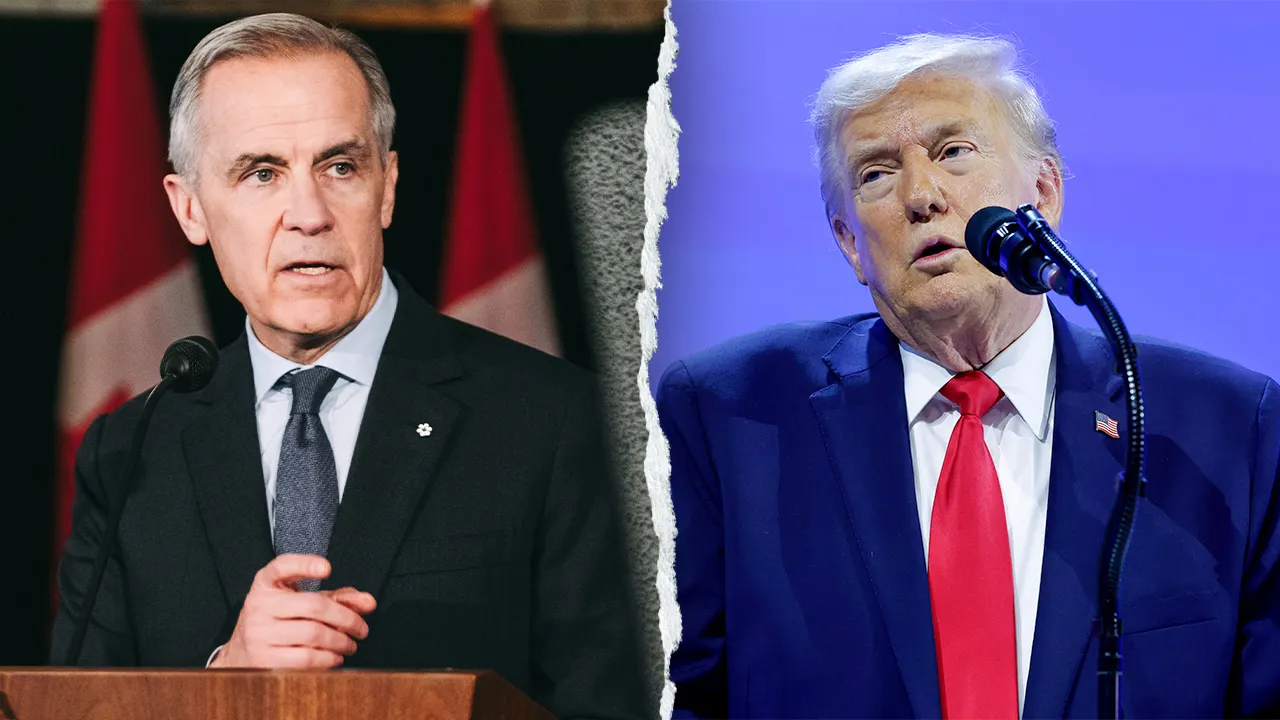
In a striking exchange that has captured international attention, Canadian Prime Minister Mark Carney firmly rejected former US President Donald Trump’s assertion that “Canada lives because of the United States.” Speaking from Quebec’s historic Plains of Abraham during a cabinet retreat, Carney delivered a patriotic response that resonated deeply with Canadians: “Canada doesn’t ‘live because of the United States.’ Canada thrives because we are Canadian. We are masters in our own house. This is our country. This is our future. The choice is ours.” While acknowledging the “remarkable partnership” between the two nations in economic, security, and cultural realms, Carney’s words represented a clear stance on Canadian sovereignty at a time when relations between the longtime allies appear increasingly strained.
The public disagreement escalated dramatically when Trump announced via Truth Social that he was withdrawing Canada’s invitation to join the “Board of Peace” – a US-led council focused on managing Gaza’s post-war future. Trump characterized this board as potentially “the most prestigious Board of Leaders ever assembled,” making the exclusion particularly pointed. The announcement came as the board was being inaugurated in Davos, Switzerland, during the World Economic Forum, an event Carney had already departed from. This diplomatic slight marks an unusual level of tension between nations that have historically maintained one of the world’s most stable bilateral relationships.
The seeds of this conflict were planted during the World Economic Forum, where both leaders delivered speeches that took aim at each other’s positions, though with varying levels of directness. In his address, Carney avoided mentioning Trump by name but made pointed references to a fading “rules-based order,” clearly implicating the United States. While acknowledging certain benefits of American leadership globally, the Canadian Prime Minister suggested that the international order was failing and called for middle powers like Canada to assert themselves and “build a new order that embodies our values.” His speech positioned Canada as ready to step forward more independently on the world stage.
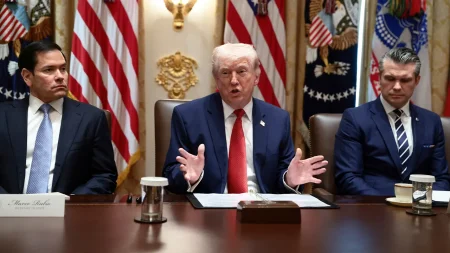
Trump, in his subsequent address, took a much more direct approach. “I watched your prime minister yesterday, he wasn’t so grateful,” Trump stated bluntly, before delivering the comment that sparked the controversy: “Canada lives because of the United States. Remember that, Mark, the next time you make your statements.” The former president claimed that Canada receives “a lot of freebies” from the United States, though he did not elaborate on what these might be. This characterization of Canada as dependent on American generosity struck a nerve with many Canadians, who view the relationship as one of mutual benefit and respect rather than patronage.
This public disagreement reveals deeper tensions in North American geopolitics. For Canada, the exchange represents a moment of assertion against what many Canadians perceive as an increasingly unilateral American approach to international relations. Carney, in framing his response as a defense of Canadian values and sovereignty, is tapping into a long tradition of Canadian leaders who have had to navigate the delicate balance of maintaining close ties with their powerful neighbor while preserving national autonomy. His speech at the cabinet retreat specifically positioned this moment as an opportunity for Canada to define its own future and build relationships based on its distinct values.
The implications of this discord extend beyond rhetoric, potentially affecting the deeply integrated economic relationship between the two countries, security cooperation, and joint approaches to global challenges. With approximately 75% of Canadian exports going to the United States and deeply intertwined supply chains across the border, the stakes of maintaining functional diplomatic relations remain high. Whether this exchange represents a temporary flare-up or signals a more fundamental shift in Canada-US relations remains to be seen, but it undoubtedly highlights the challenges of maintaining international partnerships in an era of increasing nationalist rhetoric and changing global power dynamics. As Canada continues to assert its independent voice on the world stage, and as American leadership evolves, the relationship between these neighbors will likely continue to face moments of tension that test their historic bonds.