




Australia’s Bold Move to Protect Kids Online Shows Early Success
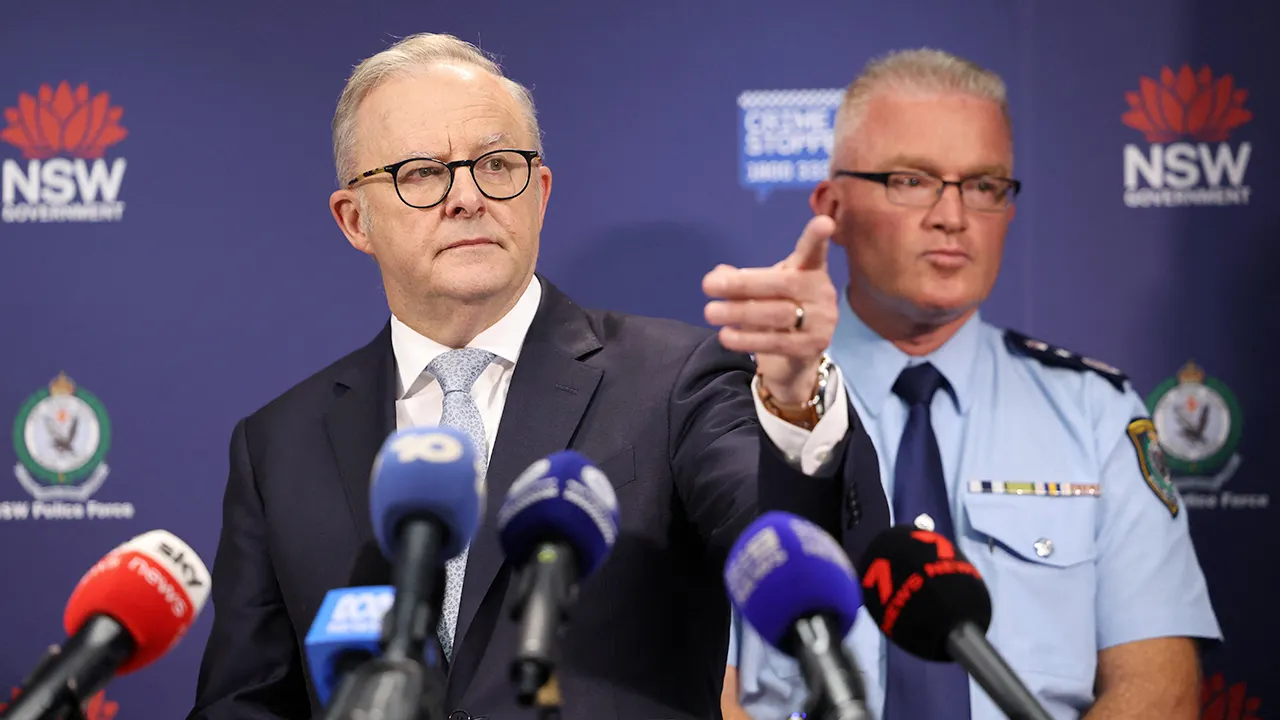
In a groundbreaking effort to safeguard children in the digital realm, Australia’s recent ban on underage social media use has already made significant impact. Just one month after implementation, social media giants have removed access to approximately 4.7 million accounts believed to belong to users under 16 years old. Prime Minister Anthony Albanese proudly announced the early success of the legislation, calling it “world-leading” and “a source of Australian pride.” The law, which took effect in mid-December, requires major platforms including Facebook, Instagram, X, TikTok, Snapchat, and others to identify and deactivate accounts of Australian users under 16 or face hefty fines up to $33 million for non-compliance.
The legislation represents a direct response to growing concerns about the impact of online environments on young people’s mental health and safety. Australian Communications Minister Anika Wells framed the victory in bold terms: “We stared down everybody who said it couldn’t be done, some of the most powerful and rich companies in the world and their supporters. Now Australian parents can be confident that their kids can have their childhoods back.” According to Australia’s eSafety Commissioner Julie Inman Grant, approximately 84% of Australian children between ages 8 and 12 had at least one social media account before the ban. The removal of nearly 5 million accounts suggests that the legislation is already making substantial headway in limiting children’s exposure to potentially harmful online environments.
The enforcement methods being used offer flexibility to the platforms while maintaining accountability. Social media companies can verify users’ ages through various means: requesting identification documents, using third-party age estimation technology to analyze facial features, or making inferences from existing account data such as account longevity. Meta, parent company of Facebook, Instagram, and Threads, reported removing nearly 550,000 underage accounts in just the first day following the ban’s implementation. This rapid response demonstrates that when properly motivated by regulatory consequences, these companies can indeed take meaningful action to protect younger users from content and interactions that aren’t age-appropriate.
While the early results are promising, critics and regulators alike acknowledge the challenges in achieving perfect enforcement. Commissioner Inman Grant offered a pragmatic perspective: “We don’t expect safety laws to eliminate every single breach. If we did, speed limits would have failed because people speed, drinking limits would have failed because, believe it or not, some kids do get access to alcohol.” She noted that while there was an initial increase in downloads of alternative apps following the ban, there wasn’t a corresponding spike in usage of these platforms. This suggests that while some young users might seek workarounds, the legislation appears to be creating meaningful barriers to underage social media access rather than simply shifting the problem elsewhere.
The Australian approach has sparked international interest, with several countries considering similar measures to protect children online. Even in the United States, lawmakers from both major political parties have expressed interest in Australia’s model. Republican Senator John Cornyn of Texas suggested that America “ought to look at what Australia’s doing,” while Democratic Senator Dick Durbin of Illinois acknowledged that “protecting children is an avenue that should be pursued,” adding that “parents and grandparents need a helping hand; this is getting out of hand.” This bipartisan interest signals that the issue transcends typical political divides, focusing instead on the shared concern for children’s wellbeing in increasingly complex digital spaces.
The debate around age restrictions on social media highlights a fundamental tension in modern parenting and governance. While the Australian law was broadly popular among parents and child safety advocates, it faced opposition from online privacy groups and organizations representing teenagers themselves. This reflects the genuine complexity of balancing protection with autonomy, safety with freedom of expression, and parental authority with young people’s developing independence. What makes the Australian experiment particularly noteworthy is its willingness to establish clear boundaries through legislation rather than leaving the responsibility solely to parents or voluntary industry self-regulation. As Commissioner Inman Grant put it, they’re “preventing predatory social media companies from accessing our children” – framing the issue not just as one of parental oversight, but as a matter of protecting children from powerful corporate interests whose business models may not align with children’s developmental needs. As other nations watch Australia’s bold experiment unfold, the early results suggest that meaningful regulation of social media for young users is not only possible but potentially effective in creating safer digital environments for children.