



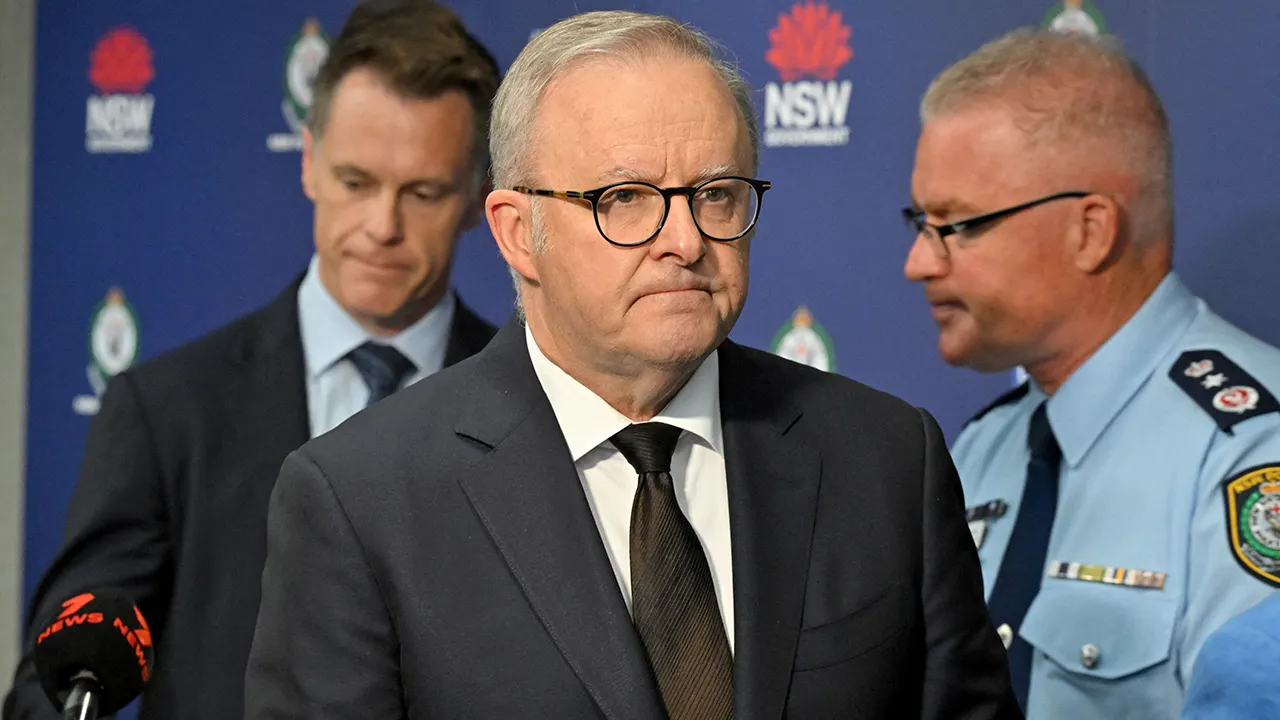
Australia Vows to Strengthen Gun Laws After Tragic Hanukkah Celebration Shooting
In the wake of a devastating mass shooting at a Hanukkah celebration on Sydney’s Bondi Beach that claimed 15 lives, Australian Prime Minister Anthony Albanese has pledged to strengthen the nation’s already restrictive gun laws. “The government is prepared to take whatever action is necessary. Included in that is the need for tougher gun laws,” Albanese declared after meeting with his National Cabinet. The proposed measures include limiting the number of firearms an individual can own, requiring Australian citizenship for obtaining a firearms license, implementing a review system for licenses held over time, and restricting the types of guns that remain legal. This tragic incident has prompted reflection on Australia’s gun control framework, which was significantly tightened following the 1996 Port Arthur massacre in Tasmania where 35 people lost their lives.
Sunday’s horrific attack occurred during the Chanukah by the Sea celebration, as thousands gathered at the popular Bondi Beach location to mark the beginning of the Jewish holiday. Prime Minister Albanese characterized the shooting as “a targeted attack on Jewish Australians on the first day of Hanukkah,” highlighting the disturbing antisemitic nature of the violence. The perpetrators were identified as a father and son duo – a 50-year-old man who died at the scene and his 24-year-old son who survived and is currently receiving hospital treatment after being shot by police. The victims of this senseless violence span generations, ranging from just 10 to 87 years of age, creating ripples of grief throughout the community and nation as Australians struggle to process this targeted act of violence against the Jewish community.
The human toll of this tragedy extends beyond the 15 lives lost, with at least 38 additional people receiving hospital treatment for injuries sustained during the attack. Among the wounded is 42-year-old Ahmed al Ahmed, a fruit shop owner and father of two who immigrated to Australia from Syria in 2006. Al Ahmed has emerged as a hero in this dark moment, having been captured on video courageously tackling and disarming one of the attackers before carefully placing the weapon on the ground. “My son has always been brave. He helps people. He’s like that,” his mother, Malakeh Hasan al Ahmed, told Australian Broadcasting Corp. through an interpreter. Al Ahmed, who reportedly has a background in Syrian security forces, underwent surgery on Monday for a gunshot wound to his shoulder, his act of selflessness potentially saving countless additional lives.
This attack occurs against a backdrop of increasing global antisemitism and represents one of the most significant mass casualty events in Australia since the Port Arthur massacre that prompted the country’s sweeping gun reforms in the 1990s. Australia’s gun control framework is often cited internationally as an example of effective firearms regulation, with restrictions that include bans on automatic and semi-automatic weapons, strict licensing requirements, and mandatory background checks. Despite these measures, this tragedy demonstrates that vulnerabilities remain, prompting the government’s immediate response to review and potentially strengthen existing regulations to prevent future attacks.
The targeting of a religious celebration adds a particularly disturbing dimension to this tragedy, with the shooting occurring at an event meant to celebrate light and hope during the Hanukkah holiday. The attack has sent shockwaves through Australia’s Jewish community and raised concerns about security at religious gatherings nationwide. Home Affairs Minister Tony Burke publicly acknowledged Ahmed al Ahmed’s heroism, highlighting how ordinary citizens displayed extraordinary courage in the face of terror. The community response has included vigils, condolence messages, and calls for unity against hatred and violence, as Australians of all backgrounds express solidarity with the Jewish community during this painful time.
As Australia mourns the victims and supports the survivors of this tragedy, the national conversation has quickly turned to preventing future attacks through policy changes and community vigilance. The proposed gun law reforms represent immediate concrete steps, but many experts suggest that addressing the root causes of extremism and hatred requires broader societal efforts. Prime Minister Albanese’s declaration that “If we need to toughen these up, if there’s anything we can do, I’m certainly up for it” reflects the government’s commitment to take decisive action. As families begin the painful process of burying loved ones and survivors embark on what may be lengthy physical and emotional recovery journeys, Australians are once again confronting questions about balancing security concerns with the values of an open, multicultural society—questions that have no easy answers but demand thoughtful, compassionate responses from both government leaders and ordinary citizens alike.