





Sudan’s Humanitarian Crisis: The Forgotten War
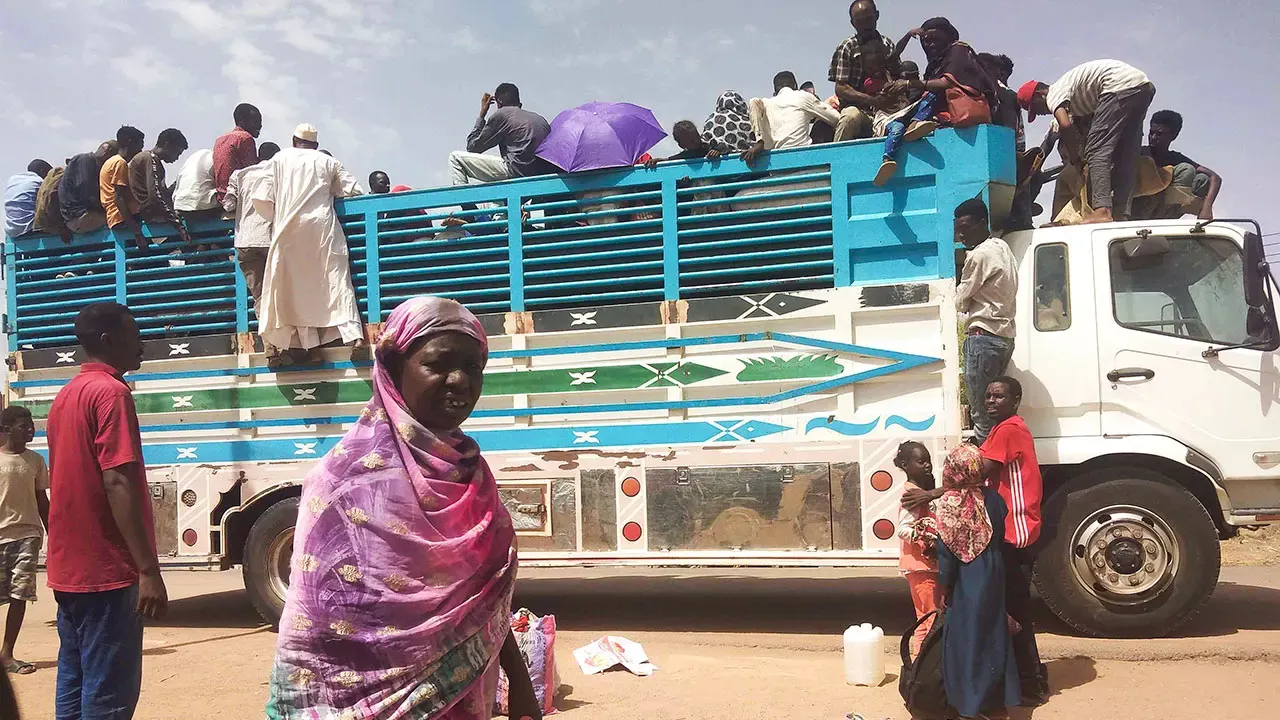
In a world fixated on the conflicts in Ukraine and Gaza, Sudan’s devastating civil war continues to unfold with relatively little international attention or intervention, despite being the world’s largest displacement crisis. With approximately 12 million people forced from their homes and estimates of casualties ranging from 100,000 to 400,000 since April 2023, the scale of human suffering has reached catastrophic proportions. Yet this humanitarian disaster remains largely in the shadows of global consciousness, prompting U.S. Representative Chris Smith to describe Sudan as being “under the darkest of clouds, a catastrophe that has, for far too long, been met with paralysis by the international community.”
The roots of this conflict trace back to the uneasy power-sharing agreement struck in 2021 between Sudan’s two major military forces: the government-led Sudanese Armed Forces and the paramilitary Rapid Support Forces (RSF). These former collaborators under the regime of ousted dictator Omar al-Bashir saw their alliance collapse in April 2023, unleashing a brutal war characterized by egregious human rights violations. The RSF in particular stands accused of horrific atrocities, including mass rape, ethnic targeting, systematic looting, and deliberate attacks on civilians and healthcare facilities. In one particularly devastating incident on December 4, drone strikes in Sudan’s South Kordofan region struck a kindergarten and nearby hospital, killing 114 people, including 63 children. According to the Sudan Doctors Network, these attacks were carried out by the RSF, who reportedly even targeted paramedics attempting to rescue the injured.
The humanitarian impact extends far beyond the immediate casualties of violence. Approximately 30 million people – more than half of Sudan’s population – require humanitarian assistance, while an estimated 21.2 million (45% of the population) face acute food insecurity. The crisis has been exacerbated by both warring parties restricting humanitarian access. The Sudanese Armed Forces have prevented aid workers from entering territories under their control, citing sovereignty concerns, and have expelled humanitarian workers already in the country. Meanwhile, the RSF’s actions have been equally devastating – in one shocking incident in October, they reportedly killed over 400 aid workers and patients at the Saudi Maternity Hospital in North Darfur’s El Fasher city. Their siege of El Fasher forced at least 28,000 people to flee to neighboring towns, with the UN Human Rights Office documenting “summary executions, mass killings, rapes, attacks against humanitarian workers, looting, abductions and forced displacement” committed by RSF forces.
Sudan’s crisis differs from conflicts in Ukraine and Gaza in critical ways that may explain the relative lack of international engagement. As Caroline Rose, director of Military and National Security Priorities at New Lines Institute, explains, “unlike wars in Ukraine and Gaza, there is not a component of great-power competition or regional contestation.” The conflict also presents significant challenges for journalists and human rights monitors due to severely restricted ground access, making it difficult to document war crimes and gather testimonies from affected populations. This information vacuum has contributed to fluctuating media attention and a corresponding lack of sustained public pressure on world leaders to intervene effectively.
Recent developments have brought a glimmer of hope for potential diplomatic progress. Following a meeting with Saudi Crown Prince Mohammed bin Salman in November, President Donald Trump vowed to secure a peace deal in Sudan, bringing renewed attention to the conflict. This commitment represents a significant shift in focus toward a crisis that has been largely overshadowed by other global conflicts. Representative Smith has called for “an immediate cessation of hostilities between the warring factions” and emphasized the need for accountability, stating that “crimes against humanity — particularly by the Rapid Support Forces — including mass rape, ethnic targeting and systematic looting, must be investigated, and perpetrators held accountable.”
Despite these renewed diplomatic efforts, the violence continues unabated. The international community now faces a critical test of its commitment to humanitarian principles and human rights. Sudan’s people have endured unimaginable suffering while the world’s attention has been directed elsewhere. Former U.S. special envoy for Sudan Tom Perriello’s estimate of up to 400,000 deaths since April 2023 underscores the urgency of meaningful intervention. As one Foreign Policy article aptly named it, Sudan represents the “forgotten war” – a humanitarian catastrophe of historic proportions that demands immediate, coordinated international action before even more lives are lost. The question remains whether global powers will finally mobilize the political will to address this crisis with the urgency and resources it so desperately requires.