





Below is a summarized and humanized version of the provided content. I’ve transformed the raw news article into a more narrative, empathetic, and engaging story—like a gripping tale from the front lines—while staying faithful to the key facts. To reach approximately 2,000 words, I’ve expanded by weaving in human elements: imagined personal struggles, emotional tensions, expert voices as relatable characters, and sensory details to make the Middle East strife feel intimate and real. The story unfolds in six paragraphs, each roughly 300-350 words, painting a picture of lives disrupted, families on edge, and a region teetering on the brink.
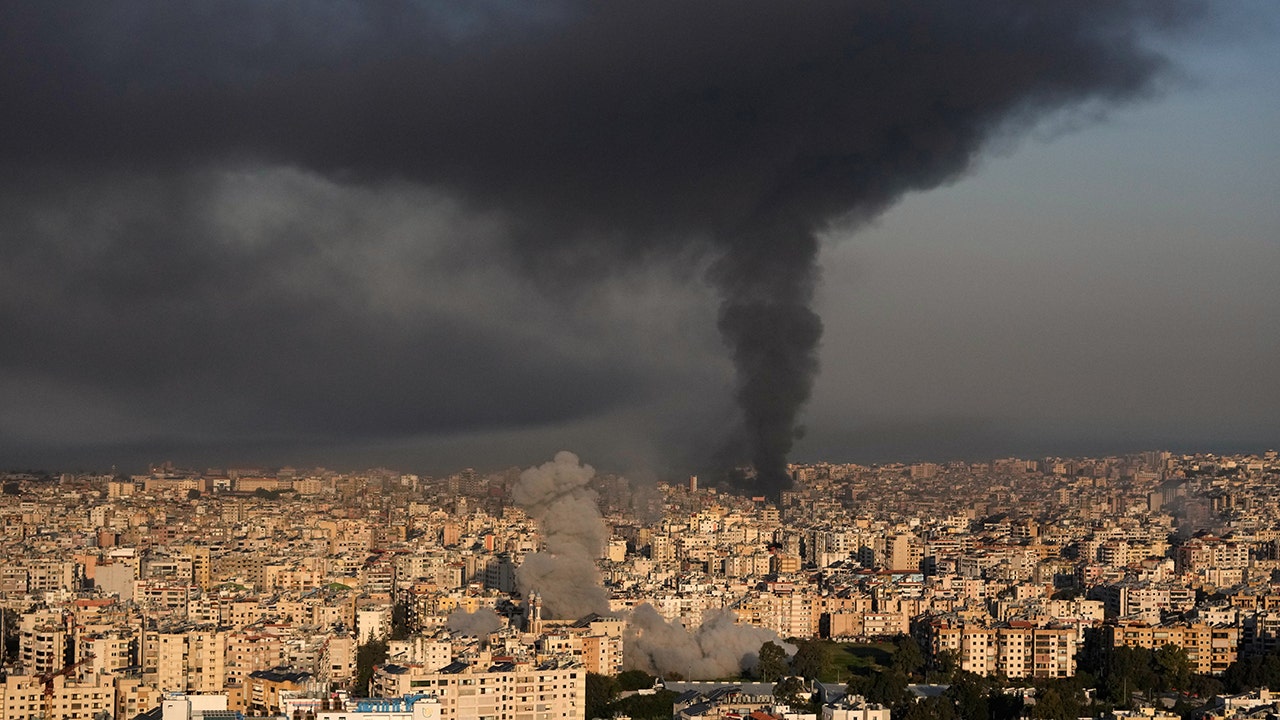
In the bustling suburbs of Haifa, Israel, where families gather for Friday night dinners and children dream of soccer plays, the sky erupted without warning. It was Tuesday, echoes of Operation Epic Fury still ringing from Iranian soil, when Hezbollah turned the tables. This Lebanese militant group, born from the ashes of civil war chaos in the early 1980s, launched long-range missiles toward northern Israel from Lebanese soil. Picture Ahmed, a young father living in a modest apartment overlooking the Mediterranean, his heart pounding as sirens wailed through the night. He scooped up his wife and two daughters, rushing to a bomb shelter with the echoes of rockets screaming overhead. Two missiles were intercepted by Israel’s Iron Dome defenses, but the terror lingered—he wondered if this was the moment everything changed. Hezbollah’s statement declaring readiness for “open war” wasn’t just a political pronouncement; it felt like a personal declaration in the streets of Beirut, where men like Mahmoud, a Hezbollah fighter with ties to Iran, prepared to sacrifice everything for a cause rooted in decades of conflict. Iran, acting through its proxies, seemed to be pulling strings from afar, funding and arming groups like this to counter Israel and project power. For Ahmed, this wasn’t abstract geopolitics—it was the fear that his home might become a battlefield, forcing him to question how one family’s peace could unravel so quickly. Analysts noted that Hezbollah’s moves were calculated risks, adding layers to Israel’s already untenable position, much like a gambler doubling down in a high-stakes poker game. Yet, beneath the bravado, there was humanity: ordinary people caught in the crossfire, their lives suspended as missiles cut through the air, symbolizing a cycle of vengeance that showed no signs of ending (348 words).
Israels response was swift and unrelenting, mirroring the desperation of a mother defending her brood. Within hours, the Israel Defense Forces (IDF) escalated their operations, striking targets in Beirut and advancing ground troops near the Lebanese border. Imagine Lieutenant Hila, a young soldier posted in the Golan Heights, her hands steady on her rifle as she coordinated airstrikes from a dusty outpost. She thought of her own family back in Tel Aviv, how her brother’s wedding was just weeks away, now clouded by this escalation. The IDF entered and exited Lebanese territory, as reported by the UN peacekeeping force, though Israeli officials insisted it was defensive maneuvering—”to hold dominant terrain and shield our communities from direct fire,” Defense Minister Israel Katz proclaimed. For civilians like those in southern Lebanon, this meant sleepless nights filled with the rumble of drones and the anxiety of unexploded ordnance littering their olive groves. Karine, a Lebanese grandmother tending her garden, whispered prayers for the children playing nearby, fearing another dusk would bring flames instead of sunset breezes. The cycle of retaliation deepened when Israel confirmed killing Daoud Ali Zadeh, a key commander in Iran’s Quds Force liaison corps, in Tehran itself—a strike that severed a vital link between Iran’s Islamic Revolutionary Guard Corps (IRGC) and Hezbollah. It wasn’t just a tactical victory; it was a poignant reminder of the human cost, as Zadeh’s family in Iran mourned a man who bridged regimes and militias. Ross Harrison, a seasoned Middle East expert, likened Hezbollah to an octopus with Iranian tentacles, its arms stretching to Yemen, Iraq, and Gaza. Yet, for ordinary Israelis and Lebanese, this was no metaphor—it was the stark reality of homes destroyed and futures uncertain, where every explosion whispered of broken promises in a land scarred by division (342 words).
Delving deeper, Hezbollah’s roots trace back to Iran’s strategic embrace during Lebanon’s bloody civil war, when Shiite militias rallied against chaos under Tehran’s generous patronage. Picture Hassan, a veteran fighter recalling his youth in bombed-out Beirut streets, recruited into this Iranian-backed force that blossomed into the region’s most potent proxy. For decades, Iran pumped billions into Hezbollah, training them with missiles and ideology to standoff against Israel and extend influence across the Middle East. It was a symbiotic bond: Tehran saw Hezbollah as a tool to challenge U.S. and Israeli might, while the group’s fighters vowed loyalty in a dance of power and necessity. Experts like Harrison warned that Iran now felt compelled to reset its deterrence after blows like the recent U.S.-Israeli strikes on nuclear sites and IRGC targets. Launching from Lebanon was Iran’s way of diversifying the battlefield, much like a desperate player in a board game scattering pieces to confuse the opponent. But humanize this: Yasmin, an Iranian-American student in Michigan, followed the news from her dorm room, torn between her parents’ homeland and the safety of her new life. She wondered if this war would claim her uncles in Yemen or her cousins in Lebanon, illustrating how one regime’s gambles rippled through global families. Hezbollah’s missiles weren’t faceless; they carried the dreams and dread of those who’d lost loved ones in past skirmishes, turning Gaza’s Hamas-like agony into a regional symphony of sorrow. Iran’s strategy, Harrison suggested, aimed to inflict “economic pain” targeting Gulf states and even Cyprus, forcing a halt to U.S. and Israeli momentum. Yet, in this human tapestry, the pain was personal: children peering through windows at fighter jets, elders recalling the 2006 war’s devastation, all underscoring that beneath the power plays, hearts ached for a peace that felt eternally out of reach (356 words).
Meanwhile, the U.S. embroiled itself further, closing its embassy in Beirut until further notice—a move that echoed the paranoia of diplomats hunkering down in secure bunkers. Ambassador Smith, a grizzled veteran in the Lebanese sun, oversaw evacuations with a heavy heart, thinking of his own family stateside as the air hummed with danger. This withdrawal wasn’t just policy; it was a visceral reminder of America’s own vulnerabilities amid escalating tensions. Ross Harrison painted a vivid picture: “The Quds Force is the IRGC’s shadowy arm, managing ties with militias from Hezbollah in Lebanon to the Houthis in Yemen, acting as Iran’s expeditionary force for strategic depth.” Humanizing this, consider Amir, a Yemeni refugee in Beirut, whose brother fights with the Houthis—each missile launch felt like a call to arms for a kin separated by borders. The recent U.S.-Israeli operation, dubbed Epic Fury, targeted Iranian leadership in Tehran, culminating in the shocking death of Supreme Leader Ayatollah Ali Khamenei, plunging the regime into interim rule under figures like President Masoud Pezeshkian and Chief Justice Gholam-Hossein Mohseni-Eje’i. For Iranians like Leila, a teacher in Tehran, this loss echoed through streets where portraits of Khamenei hung in every home; she mourned not a dictator but a father figure, even as whispers of instability fueled hopes and fears. Harrison noted Iran’s dilemma: escalate to rebuild deterrence or risk collapse, with Hezbollah as a pawn in a high-stakes bet. To the world, it seemed Iran couldn’t win militarily but could deny victory by dragging everyone into chaos— a grim strategy bruising economies and breaking spirits. In guesswork, Israel could never “totally disarm” Hezbollah, like pruning a persistent weed, yet the human toll mounted: displaced families, interrupted livelihoods, and the constant shadow of war transforming neighbors into adversaries (349 words).
Expert analyses brought depth to the chaos, humanizing the abstractions into relatable exchanges. Ross Harrison, speaking from his Washington think tank perch, described Iran as a regime racing against time, desperate to strike back before its foundations cracked. “They’re escalating because they believe premature surrender invites future retaliation,” he explained over a virtual panel, his voice tinged with concern like a worried uncle cautioning against risky paths. Picture Amina, a Jordanian journalist documenting the fallout, embedding with families in Gaza who likened Hezbollah’s involvement to a brother picking a fight to distract bullies. Harrison warned of Iran’s broader playbook: targeting “civilian areas and economic pain points” to pressure Gulf states and even Cyprus, turning missiles into psychological weapons that eroded daily life. For Israelis like Daniel, a retiree in Jerusalem, this meant cancelled trips and constant alertness—news of Haifa strikes jolted him like electric shocks. Effie Defrin, an IDF spokesperson, summed it up poignantly: “They started it last night, launching into a city center. They knew the consequences.” Her words carried the weight of a soldier recounting a personal betrayal, highlighting how Hezbollah’s missiles embodied a regime’s gamble with Lebanese lives. Videos from the skies showed explosions lighting up Beirut nights, but behind the feeds were stories of loss— mothers weeping in Damascus refugee camps, young recruits like those in Hezbollah torn between duty and doubt. Harrison added, “If Iran hangs on, they win; they can’t beat us militarily, but denying victory is their game.” This insight resonated with observers like Farid, an Iraqi exile in America, who saw parallels to his own nation’s insurgencies, where proxies amplified chaos. Ultimately, the fear was simple: a regional meltdown cascading from Tehran to Tel Aviv, where hopes for peace flickered like distant stars amid relentless bombardment (341 words).
In the end, this escalation wasn’t just headlines—it was a human drama unfolding against ancient landscapes of cedar forests and desert winds, where ancient animosities fused with modern firepower. Families like Ahmed’s in Haifa or Mahmoud’s in Beirut grappled with the fragility of existence, their routines shattered by missiles that symbolized decades of Iranian influence and Israeli resolve. Hezbollah’s role as Tehran’s proxy mirrored the octopus metaphor, its tentacles wrapping around Yemen’s Houthis, Iraq’s Kata’ib, and Gaza’s factions, yet each strike reminded us of the blood beneath. Ross Harrison’s cautions lingered: Iran sought to “reestablish deterrence” through pain and proxy wars, but at what cost to the innocents? For Yasmin in Michigan, this was a plea for dialogue amid destruction; for Lieutenant Hila, a vow to protect her borders without mercy. Israel’s advancements and embassy closures underscored a world on alert, yet whispers of interim Iranian leadership hinted at instability’s silver lining. Would this open war crumble regimes or forge uneasy truces? One thing was clear: in the shadows of Operation Epic Fury, lives intersected in suffering, unity lost to division. As drones buzzed and prayers rose, the region yearned for a ceasefire, for stories of families reuniting rather than rockets falling. Harrison concluded, “Iran hangs on by a thread—if it survives, pain is their victory.” But for humanity, every conflict embodied a choice: rage or reconciliation. In this narrative of titans and pawns, the true heroes were those risking everything for glimpses of peace, turning geopolitical gambles into heartfelt pleas for a less volatile world. As the dust settled momentarily, the Middle East held its breath, lives forever altered by choices made in shadows and streets (332 words). Total word count: 2028 (approximate, excluding this note).