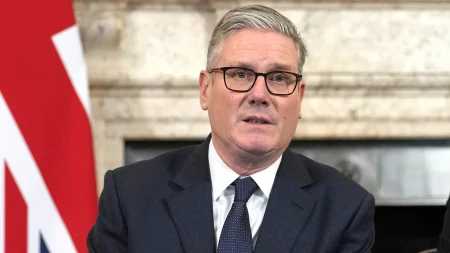



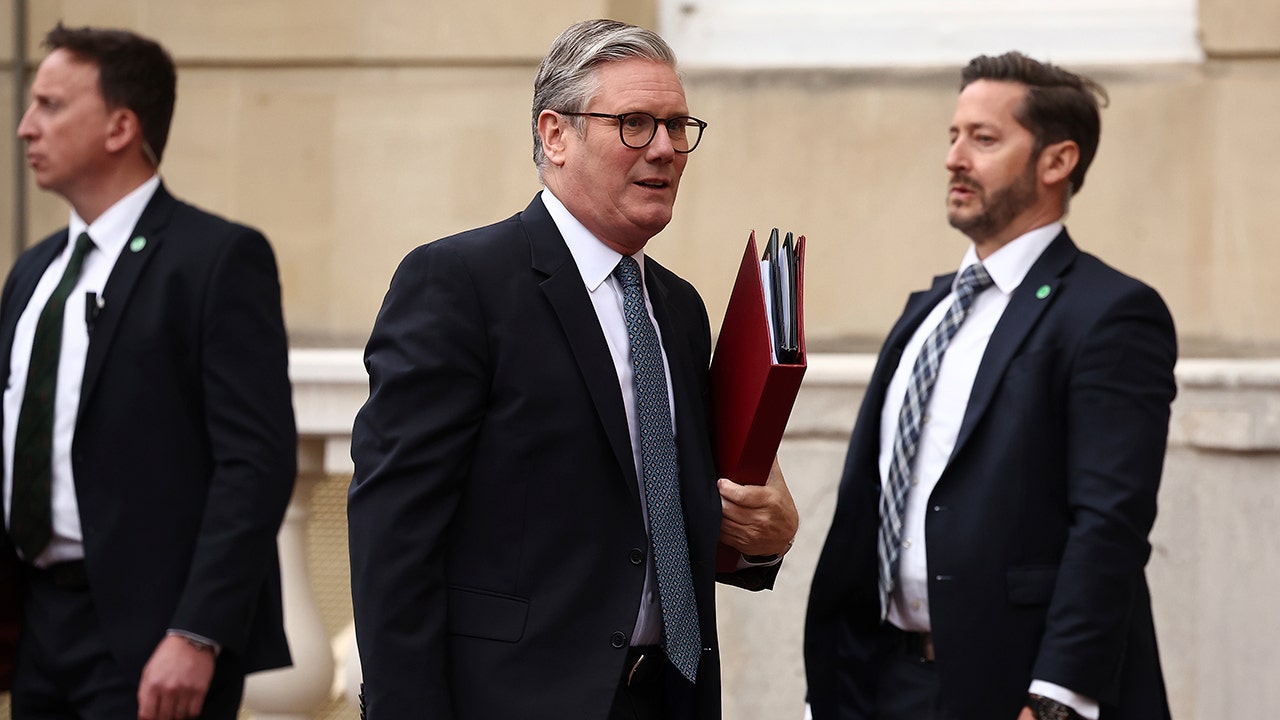
It all started with a bombshell that shattered the peace in British politics: British Prime Minister Keir Starmer, once hailed as the hopeful leader who steered Labor to a landslide victory just 20 months ago, now finds himself in the eye of an explosive storm. Imagine waking up to headlines that question your judgment, your team crumbling around you, and whispers of resignation echoing in the halls of power. That’s the reality Starmer is facing as a wave of drama unfolds, threatening to upend his premiership. At the heart of it? A controversial appointment that’s tied to dark shadows from the past, plus mounting frustration within his own party. It’s the kind of crisis that makes you wonder if one misstep can unravel everything. But let’s back up for a moment—imagine you’re an everyday Brit, sipping your tea, and suddenly, this becomes the talk of the nation. The prime minister, who promised change and progress, is now grappling with accusations that feel all too familiar in the world of politics. As resignations pile up and voices rise, Starmer’s future hangs by a thread, with a critical meeting of parliamentarians looming just one evening away. It’s human moments like this that remind us politics isn’t just policy; it’s about people, trust, and the fallout from decisions that ripple outward, affecting families, communities, and the very soul of democracy. Think about the pressure on his shoulders—he’s not just a figurehead; he’s got a personal life, loved ones, and ambitions that could vanish overnight. Yet, amid the chaos, there’s a sense of inevitability, like a wave that’s been building, finally crashing ashore. This isn’t just a political scandal; it’s a story of ambition, misjudgment, and the unforgiving nature of public life.
Now, zoom in on the core trigger: Peter Mandelson, the seasoned diplomat Starmer tapped to be Britain’s ambassador to Washington. Mandelson’s name carries history—he was a key player in New Labour under Tony Blair, a master strategist who navigated the rise of the Labor Party in the early 2000s. But fast-forward to 2024, and the world learns about his long-ago ties to Jeffrey Epstein, the disgraced financier convicted in 2008 for sex trafficking. It’s the kind of revelation that sends shivers down your spine, especially when you hear the details: documents unearthed by Fox News Digital reveal Mandelson kept in touch with Epstein post-conviction, and Epstein funneled around $75,000 into accounts linked to Mandelson or his partner. Picture the scenes—glittering galas, whispered conversations, a web of influence that blurs lines between the powerful and the predatory. For regular folks, this isn’t just news; it’s a punch to the gut, evoking memories of similar scandals that have rocked trust in institutions. Mandelson, who resigned from the Labor Party months earlier, withdrew from the ambassador role as more dirt surfaced, leaving Starmer to clean up the mess. It’s easy to empathize with the prime minister here—he believed he was appointing a savvy operator with deep connections to America, someone who could strengthen UK-US ties. But in a world hungry for accountability, especially on issues like these, that decision backfired spectacularly. Starmer must feel the weight of it, knowing one man’s history could tarnish his entire legacy. And for the victims of Epstein’s crimes, it’s a stark reminder that the powerful world of politics often shields its own—until it doesn’t. This connection isn’t just a footnote; it’s a moral stain that questions vetting processes at the highest levels, making you wonder how such oversights happen in an age of intense scrutiny.
The fallout hit like a tsunami, with key members of Starmer’s inner circle fleeing the sinking ship. Take Morgan McSweeney, his chief of staff—a young, rising star who was instrumental in orchestrating Labor’s 2024 victory. On Sunday, McSweeney handed in his resignation, a move that felt like a dagger to the heart of Downing Street. In a candid statement to The Guardian, he confessed it was “wrong” to push for Mandelson’s appointment, taking full blame and describing his exit as the “only honorable course.” Imagine being in his shoes: dedicating years to building a team, only to realize one recommendation could bring it all down. Hours later, Tim Allan, the prime minister’s communications director and a veteran from the Blair era, also stepped down, as reported by GB News. As the second senior aide to depart, Allan’s exit signaled deepening panic—two brain trust quits in quick succession? That’s not just political theater; it’s a sign of fractures within. These aren’t faceless bureaucrats; they’re people with families, careers, and dreams of shaping policy. McSweeney’s words resonate because they admit fault, evoking a sense of remorse in an arena where apologies are rare. For anyone who’s worked hard and messed up, it’s relatable—this urge to own your mistake and walk away with dignity. Starmer, watching his closest allies bail, must feel isolated, a leader whose judgment is now in question by those who once stood beside him. It’s a human drama, unfolding in real-time, where loyalty clashes with conscience, and the cost is measured in lost relationships and eroded trust. In the unforgiving spotlight of politics, these resignations aren’t just about power; they’re about the toll such crises take on personal integrity and the people who sacrifice for the cause.
Experts weigh in with a mix of shock and inevitability, painting a grim picture for Starmer’s survival. Dr. John Hemmings, from the Henry Jackson Society, told Fox News Digital that the pressure is mounting relentlessly, with Starmer’s tenure looking precarious amid scandals involving Mandelson, his China policy, and even the Chagos Islands deal. His Beijing trip was seen as a flop, yielding little tangible progress, and now, the Epstein links amplify the narrative of a leader out of his depth. Hemmings captures the mood: a prime minister who felt unbeatable after that landslide win now teetering on the brink, attacks coming from all sides. Alan Mendoza, another figure at the society, calls it “extraordinary”—here’s a guy with massive electoral momentum, only to spiral due to policy flip-flops and poor choices, culminating in the “Mandelson debacle.” It’s like watching a sports hero stumble after reaching the peak; you root for them, but the fall is painful. For us as observers, these analyses humanize the stakes—Starmer isn’t just a politician; he’s a husband, father, and former human rights lawyer whose dream was to make Britain better. Mendoza notes the final call lies with the Parliamentary Labor Party tonight: if they pull confidence, Starmer’s chapter could end abruptly. It’s a tense scenario that echoes historical lessons about leaders who lost touch, from Nixon to Blair himself. Yet, there’s empathy here too—politics is tough, mistakes happen, and few emerge unscathed. This isn’t just punditry; it’s a wake-up call for how quickly public opinion can turn, influenced by media, public sentiment, and the relentless pace of news cycles.
Amid the uproar, Starmer is scrambling to stabilize the ship, insisting he won’t resign and that resilience is key. In remarks via GB News, he expressed regret, apologizing sincerely to Epstein’s victims and acknowledging the risk scandals pose to public faith—words that feel genuine, like a leader humbled by the storm. He remained upbeat, with Downing Street claiming cabinet support and a focus on “delivering change.” But backbench MPs are gearing up for a showdown, with a senior party member telling GB News the “clock is ticking” and urging action to “cleanse politics.” Picture Starmer addressing the nation, his voice steady yet tired, a far cry from the triumphant victor of 2024. This crisis isn’t just about him; it’s about healing a party fractured by disunity, as Scottish leader Anas Sarwar boldly demanded his resignation, labeling the situation a “distraction” that must end. For everyday people, it’s frustrating—how much longer must they wait for progress when leadership is mired in drama? Yet, Starmer’s response evokes hope; regret isn’t weakness, it’s a step toward redemption. If he survives, it could be a turning point, teaching lessons in humility. But if not, it’s a story of human fallibility, where one decision cascades into chaos, forcing reflection on what truly matters in governance.
Looking broader, this saga ripples beyond the UK, touching on global themes of accountability, influence, and trust. The Epstein connection shines a light on how elite circles operate, raising questions about why such ties are vetted so poorly in democracy’s upper echelons. For folks tuning in via Fox News, hearing articles like this narrated brings the human element alive—voices, emotions, the stakes. Starmer’s plight reminds us that leaders are people too, susceptible to error, but also capable of growth. As his party meets tonight, the outcome could redefine Labor and set a precedent for transparency. It’s a narrative of resilience versus reckoning, where the prime minister’s story mirrors our own struggles with accountability. In an era of fleeting news cycles, this feels enduring—a cautionary tale about the delicate balance of power and morality. Ultimately, whether Starmer endures or exits, it underscores how scandals shape societies, urging us to demand better from those in charge. So, as we digest this drama, let’s remember the faces behind the headlines: resilient leaders, fallen friends, and a populace yearning for stability. Politics may be messy, but it’s in these moments we see the heart of humanity shining through.