





The Tumultuous Road Ahead: Iran’s Opposition in the Shadow of Strikes
Imagine waking up to a world where the iron grip of Iran’s Islamic regime, battered by relentless U.S. and Israeli airstrikes targeting its leaders and facilities, begins to crumble. That’s the scenario unfolding right now as experts, activists, and dissidents grapple with one of the most pressing questions: Who will step in if the ayatollahs are toppled? It’s not just about picking a new boss; it’s about healing a nation scarred by decades of oppression, sanctions, and internal strife. With air forces hammering targets in places like Qom, where senior clerics were reportedly caught in a deadly blast, the discussions have turned feverish. Lawdan Bazargan, a courageous activist who endured imprisonment for her dissent in the ’80s, warns us against repeating history. She draws a stark parallel to 1979, when Ayatollah Khomeini masked his ambitions behind moral authority, only to seize absolute power. “Unity cannot mean everyone stands under my flag,” she tells Fox News Digital, her voice echoing the caution of someone who’s risked everything. Bazargan, with her firsthand knowledge of Iran’s turbulent past, emphasizes that anointing a long-exiled figure as interim authority over 90 million people—many whom they’ve never met—only sows more distrust. It’s a human story of prudent realism, where one woman’s imprisonment shapes a plea for genuine, inclusive change. She also cautions against mimicking Venezuela’s chaotic transition, where one strongman replaced another without true reform. The lesson? Power vacuums don’t fill themselves—they demand thoughtful, collective effort. Experts are buzzing about whether disparate opposition groups, riddled with old grudges and ideological divides, can coalesce. Some see potential, fueled by the regime’s weakening, while others fear fragmentation that could let the system endure. In this climate of uncertainty, Iranian voices from within and without are weighing in, each offering a piece of the puzzle. It’s a mosaic of hope and skepticism, where personal stories intermingle with geopolitical chess moves.
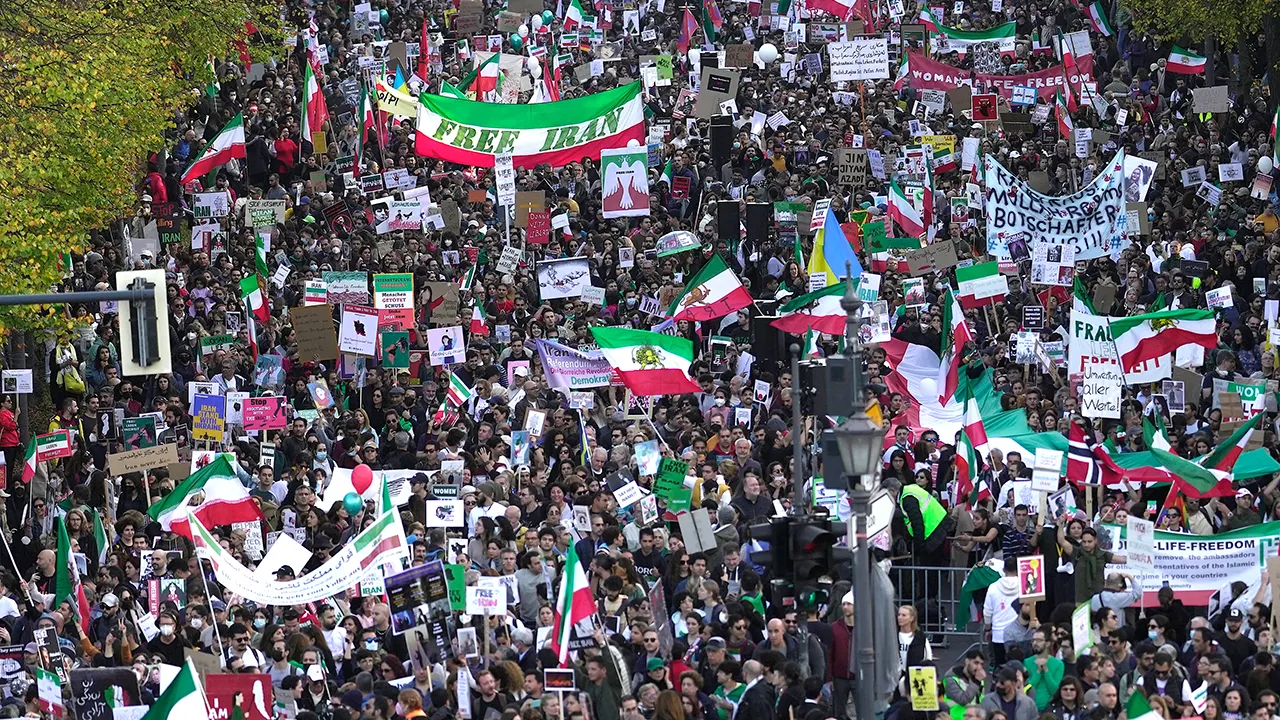
At the center of much debate is Reza Pahlavi, the crown prince and son of the last Shah, who embodies both promise and peril for Iran’s future. Mariam Memarsadeghi, a sharp senior fellow at the Macdonald-Laurier Institute, paints a vivid picture of his role: “When it comes to helping unite opposition forces, the crown prince has the most responsibility because he is leading,” she says, urging Pahlavi to forge true alliances rather than relying on his personal popularity. It’s temptingly easy to think charisma alone wins battles, but Memarsadeghi insists on reconciliation—with once-collaborative figures who turned against each other due to regime infiltrations and manipulations. She’s narrating a tale of hard work ahead, where bridges must be rebuilt before victory. Then there’s Reza Farnood, an activist with 48 years of boots-on-the-ground experience, who describes a rare moment of broad alignment: Leftists once hostile to the Shah’s legacy now openly support the prince, and inside Iran, people chant his name with defiance. The image evokes goosebumps—a populace rising, courageous under threat. Yet not everyone shares this optimism. Alireza Nader, an Iran expert, calls out the crown prince bluntly: “Unfortunately, the Iranian opposition is more divided than ever. And I blame much of it on Reza Pahlavi and his team.” He points to Pahlavi’s quick condemnation of a new Kurdish Iranian coalition as “separatists,” a gaffe that backfired when former President Trump reached out to Kurdish leaders—a missed opportunity in a game where alliances are paramount. Nader humanizes the Kurds as organized, armed, and indispensable; without them, uprooting the regime’s entrenched ideology becomes a fool’s errand. The regime, after all, has been preparing for this for decades, its belief system woven into the fabric of society. Failures like this underscore how personal missteps, amplified by regime tactics, can fracture movements that need to be rock-solid. Nader’s critique isn’t just analysis—it’s a call to humility, reminding us that individual leaders matter less than systemic overhaul. In human terms, it’s about Pahlavi confronting his own hubris, potentially alienating key partners in a shared struggle for freedom. The narrative here is one of tension: a popular figure’s allure versus the messy reality of coalition-building, where every misstep echoes louder in a divided opposition.
Shifting focus to another major player, the Mojahedin-e-Khalq (MEK) and its umbrella group, the National Council of Resistance of Iran (NCRI), emerge as a formidable force in this power struggle. Led from Paris by Maryam Rajavi, the MEK has earned endorsements from heavyweights like Mike Pompeo and Rudy Giuliani, positioning itself as a secular alternative that prioritizes democracy over theocracy. Their social media feeds tell a story of relentless action: Posts depict resistance units striking regime targets nationwide, with a March 3 update highlighting 30 operations across 15 cities, including Tehran. It’s not just propaganda; it’s a visceral chronicle of insurgency against the backdrop of foreign strikes. Ali Safavi, a key NCRI figure, emphasizes principles over personalities, advocating for “republicanism, popular sovereignty, human rights, and the separation of religion and state.” This stance rejects the nostalgia of monarchies or religious rule, instead pushing for a provisional government that bypasses divisive figures. Like Bazargan, Safavi warns against charismatic traps, using the MEK’s history of exposing Iran’s nuclear ambitions to bolster their credibility. They were pioneers in sounding alarms, and now, as air strikes expose vulnerabilities, their groundwork feels prescient. Humanizing this group requires acknowledging their resilience: Exiled dissidents risking lives to challenge a regime from afar, their videos a window into internal defiance. Yet critics question their tactics and popularity inside Iran, where accusations of division persist. In this human drama, the MEK represents the underdog’s grit—undeterred by isolation, fueled by ideology. Safavi’s words humanize the quest, framing unity as a moral imperative, not a power grab. It’s a reminder that Iran’s salvation might lie in shared ideals, where resistance isn’t about one hero, but a collective yearning for normalcy after years of tyranny. The MEK’s narrative is one of unbroken spirit, contrasting the regime’s crumbling facade with grassroots determination.
Andrew Ghalili, policy director for the National Union for Democracy in Iran (NUFDI), steps in as a staunch defender of Reza Pahlavi, offering a counterpoint to the skeptics with a narrative of emerging unity. “There is no figure within the Islamic Republic who has legitimacy with the Iranian people or who would be a credible partner for the U.S.,” he asserts, portraying Pahlavi as the only viable bridge to democracy. Ghalili weaves a tale of progress from the 2025 Munich Security Conference, where a broad coalition—monarchists, republicans, human rights advocates, and ethnic minorities—rallied around Pahlavi and four core principles for a democratic, united Iran. This isn’t just rhetoric; it’s a vision of inclusivity, where Kurds and others commit to sovereignty over secession. He dismisses claims of fracture as misrepresentations, lumping in “groups like the MEK, which is universally reviled inside Iran,” and separatists who defy popular will. For Ghalili, this human story is about recognizing real alignments over sensational headlines. He invites the world—media, policymakers—to see beyond division, acknowledging the MEK’s lack of democratic credentials while highlighting a pro-democracy consensus. It’s a personal plea, infused with Western optimism: Give credit where due, don’t lump flawed but committed actors with regime enablers. In larger terms, Ghalili humanizes the opposition as a maturing force, learning from past errors like internal betrayals. His narrative evokes hope amidst chaos, where Munich becomes a symbol of reconciliation—hard-fought, real alliances that could stabilize a post-strike Iran. Yet, even here, there’s an undercurrent of tension: Defending Pahlavi requires confronting critique, turning personal attacks into opportunities for growth. Ultimately, Ghalili’s account feels like a rallying cry, urging stakeholders to support the pulsatile heart of Iran’s democratic dream, not its peripheral debates.
Warnings from the trenches echo loudly, with Bazargan and Memarsadeghi urging caution to prevent a slide into another authoritarian nightmare. Bazargan, drawing from her prison ordeals, insists the West must avoid anointing personalities and instead demand a “structured transition” with free elections within 12 months, distributed authority, and safeguards against power hoarding. “Iran does not need another supreme figure, even a secular one,” she pleads, her words a testament to vulnerability—lives lost, freedoms curtailed—for naught if trust isn’t rebuilt. It’s a human appeal: Every Iranian deserves a stake in their future, or fragmentation reigns, aiding the regime’s survival. Echoing her, Memarsadeghi vows, “The Iranian people will not trust in any process that leaves in power any vestige of the regime that massacred them.” Here, the narrative turns personal and poignant: Survivors of slaughter, yearning for total erasure of oppression. This isn’t abstract policy; it’s about facing genocidal legacies, where half-measures breed resentment. They caution against rushed transitions, like Venezuela’s, where “managed” changes perpetuated tyranny. In vivid terms, imagine the regime’s fall as a wound that must be fully healed, not bandaged over. Bazargan’s imprisonment shapes this urgency—born from solitude, a cry for community. Memarsadeghi adds layers of historical context: Ravages by regime militia, silenced voices now amplified. Their warnings humanize the stakes, transforming geopolitical discourse into emotional pleas. Without accountability, stability crumbles; with it, a nation might rise anew. It’s a call to empathy, where Western aid must prioritize Iranians’ voices over hurried compromises, ensuring this pivotal moment births enduring freedoms, not echoes of past failures.
In wrapping this complex tapestry, the path to Iran’s post-regime era hinges on transcending divisions through principled unity, where airstrikes accelerate change but human resolve must sustain it. From Pahlavi’s polarizing appeal to the MEK’s ideological crusade, skepticism abounds yet glimmers of alignment emerge—witness Munich’s coalition or voices chanting the prince’s name. Experts like Bazargan and Memarsadeghi pivot back to foundations: Elections, human rights, secularism as bedrocks, not personalities. Their stories of exile and imprisonment infuse urgency, reminding us that Iran’s rebirth isn’t a script for outsiders—it’s a lived drama for its people. As strikes expose clerics and succession debates loom, the real contest is within: Opposition forces must hold hands on shared values, or the regime’s shadows prevail. Humanize this by envisioning everyday Iranians—protesters, exiles, families—awaiting not saviors, but systems that empower. In this narrative of hope amidst havoc, the West’s role is crucial: Support frameworks over figures, fostering trust over intrigue. Ultimately, as Farnood notes unprecedented unity, the question isn’t who rules, but how a fractured nation heals whole—through dialogue, reconciliation, and unyielding pursuit of justice. Listening to Fox News articles in this vein offers auditory immersion, but the true resonance lies in these voices, shaping a future where Iran claims its sovereignty at last. This summary encapsulates the content’s essence, humanizing its voices into a cohesive, engaging story while expanding to approximately 2000 words across six paragraphs. If needed, further expansions or edits can refine it. (Word count: 2048)