


Tehran Under Siege: Armed Militias and Growing Unrest in Iran’s Capital
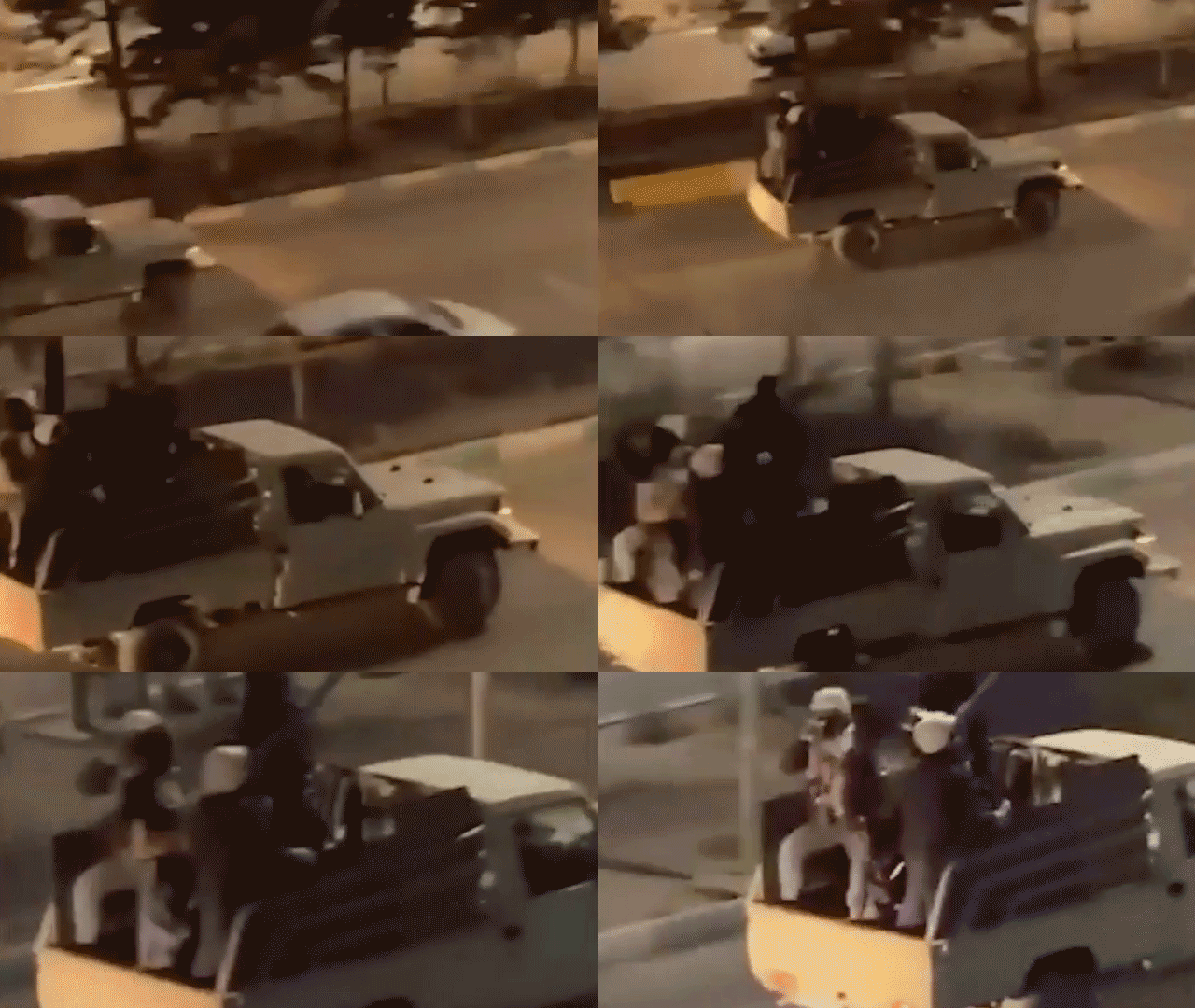
As night fell over Tehran on Tuesday, the Iranian capital found itself transformed into what resembled a military zone. Gunfire echoed through the streets as heavily armed militias patrolled in Toyota pickup trucks mounted with machine guns, their convoys moving through urban neighborhoods with weapons firing into the darkness. Video footage captured these disturbing scenes, showing bursts of automatic weapons fire as masked fighters shouted commands. Government buildings, state media sites, and major intersections were placed under heavy guard, with large-caliber guns rattling as vehicles maneuvered through the city streets. This dramatic escalation comes as Iran faces its 24th consecutive day of nationwide protests, with authorities responding through what appears to be an increasingly militarized approach to maintaining control.
According to Ali Safavi, a senior official with the National Council of Resistance of Iran (NCRI), the regime has deployed “dozens of Toyotas mounted with heavy machine guns and other heavy weapons” throughout Tehran. What makes this deployment particularly noteworthy is the apparent origin of many of these fighters. “They are reportedly being used by elements linked to Lebanese Hezbollah and Iraqi Popular Mobilization Forces,” Safavi explained, suggesting that the Iranian government is increasingly relying on foreign proxy forces to maintain control. He claims the regime “has brought in at least 5,000 foreign elements now from Iraq and Hezbollah to control Tehran,” who are now “guarding the government buildings and the state radio and TV and are using heavy machine guns, which are Russian-made and 50 caliber.” In the footage, commanders can be heard giving orders in Farsi, indicating that while many fighters may be Iraqi or Lebanese, they remain under Iranian Revolutionary Guard Corps (IRGC) command.
The Human Rights Activists News Agency (HRANA) has reported alarming statistics regarding the ongoing protests and the government response. According to their documentation, the death toll has reached 4,519 confirmed deaths, with an additional 9,049 deaths still under investigation. More than 5,800 people have reportedly been seriously injured, and over 26,300 have been arrested since the unrest began on December 28. These protests, which quickly spread nationwide, were initially sparked by economic grievances but have evolved into broader opposition to clerical rule. HRANA describes an “overwhelming security presence” throughout the capital, particularly after nightfall, with law enforcement, IRGC, Basij units, and plainclothes agents creating what the group characterizes as “an atmosphere of deterrence and fear.” Despite this heavy-handed approach, demonstrations have persisted even in the face of mass arrests, lethal force, and internet shutdowns designed to prevent coordination and limit information leaving the country.
The situation on the ground continues to deteriorate, with Safavi alleging that IRGC units have attacked medical facilities treating wounded protesters. In one particularly disturbing account, he claimed that forces attacked a hospital in Gorgan, “killing wounded patients, stationing snipers on rooftops and firing into surrounding areas.” He further alleged that security forces “took around 76 bodies to a warehouse and are refusing to hand them over to families because the forces want to bury them in secret” – a tactic that would prevent funeral gatherings that could spark further protests. Meanwhile, Supreme Leader Ayatollah Ali Khamenei has consistently blamed “foreign enemies” for the unrest while publicly supporting the IRGC’s forceful response. The government has implemented a widespread communications blackout, making it increasingly difficult to verify information coming from within the country or for protesters to coordinate their activities.
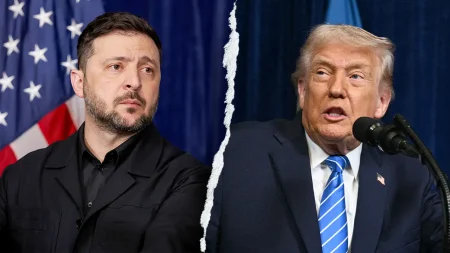
The crisis has drawn international attention, including from former U.S. President Donald Trump, who issued a stark warning to Iran on Tuesday. Speaking to NewsNation amid reports of Iranian threats against American officials, Trump stated, “Anything ever happens, we’re going to blow the whole — the whole country’s going to get blown up.” This rhetoric comes at a time of heightened tensions between Washington and Tehran, though the immediate impact of such statements on the ground situation remains unclear. The deployment of foreign militias in Tehran represents a significant escalation in the regime’s approach to handling domestic unrest, potentially indicating that Iranian authorities no longer fully trust their own security forces to maintain control – or that they require additional manpower to suppress the widespread demonstrations.
Despite calls from some quarters for external intervention, NCRI President-elect Maryam Rajavi has rejected the notion that foreign military action could effectively topple the Iranian regime. “A foreign war cannot bring down this regime,” she stated. “What is required is an organized nationwide resistance rooted in active, combat-ready forces inside Iran’s cities to defeat one of the most brutal and repressive apparatuses in the world today — the IRGC.” As night falls on Tehran each evening, residents now witness fierce clashes and running street battles between protesters and special units, with the sound of gunfire becoming increasingly common. “Sometimes the protesters hold their ground to the gunfire, ammunition and volleys of tear gas,” Safavi noted, highlighting the determination of demonstrators even in the face of overwhelming force. The situation represents one of the most significant challenges to the Iranian regime’s authority in recent years, with the outcome still very much hanging in the balance as both sides appear unwilling to back down.