





Regional Tensions Rise as Kurdish Groups Seek Entry to Iran Amid Ongoing Protests
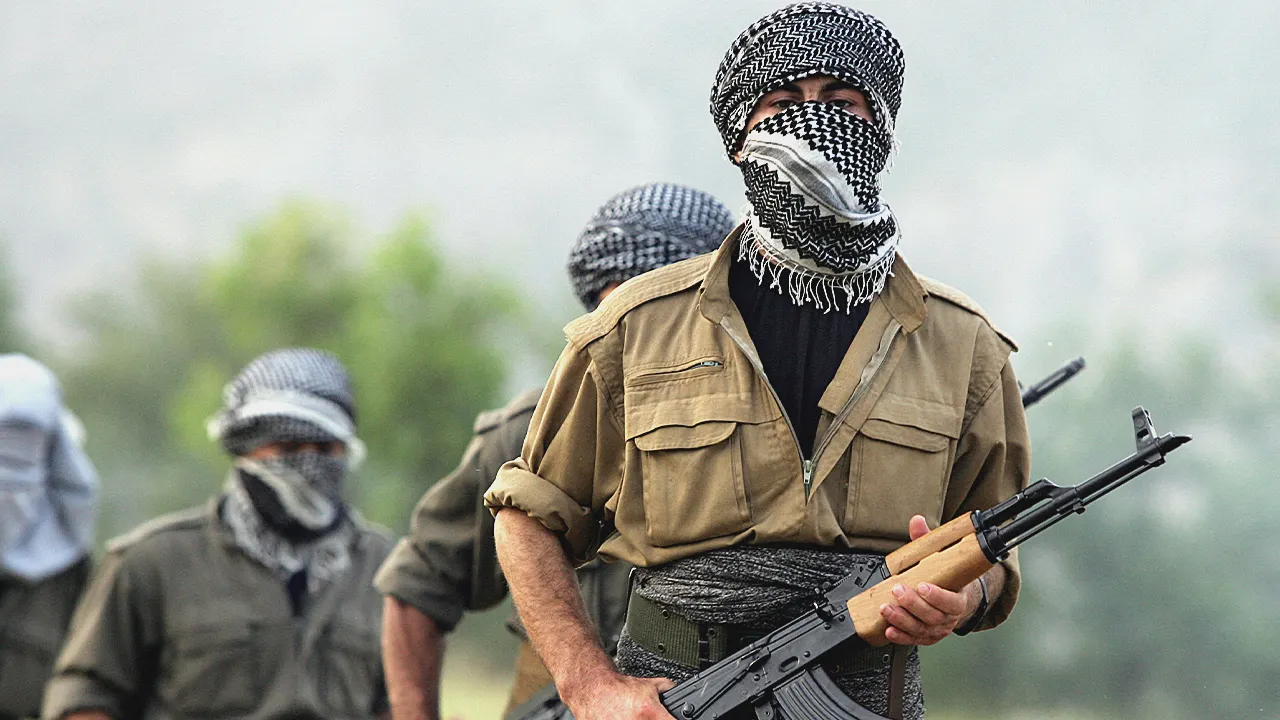
In a concerning development that threatens to further destabilize an already volatile region, armed Kurdish separatist groups have reportedly attempted to cross into Iran from neighboring Iraq during recent days. This movement comes at a particularly sensitive time, as Iran continues to grapple with widespread internal protests against the ruling regime. The attempted incursion raises serious concerns about the potential for Iran’s domestic unrest to attract foreign militant elements, potentially transforming an internal crisis into a regional security threat that could have far-reaching implications throughout the Middle East.
According to multiple sources, including a senior Iranian official, Turkey’s intelligence agency (MIT) warned Iran’s Islamic Revolutionary Guard Corps (IRGC) about Kurdish fighters attempting to breach the Iran-Iraq border. The IRGC has been at the forefront of the Iranian government’s response to the nationwide protests, implementing what observers characterize as a sweeping crackdown on dissent. Iranian authorities claim clashes erupted following the attempted border crossing and have accused the Kurdish fighters of opportunistically trying to exploit Iran’s current instability to further their own agenda. This accusation highlights the complex interplay between domestic unrest and regional separatist movements that have long sought autonomy or independence from the countries where Kurdish populations reside.
The Kurdish population, estimated at around 30 million people spread across Iran, Iraq, Syria, and Turkey, has a long history of seeking greater autonomy or independence. Turkey has been particularly aggressive in its approach to Kurdish militant groups, designating several as terrorist organizations and conducting cross-border military operations against Kurdish positions in northern Iraq. In a potentially significant development, the Kurdistan Workers’ Party (PKK) had indicated it would disarm and end its decades-long conflict with Turkey by 2025, though the current situation may complicate this commitment. Iranian authorities have reportedly reached out to both the Iraqi and Turkish governments, requesting intervention to prevent the movement of fighters or weapons into Iranian territory, underscoring the transnational nature of the security challenge.
The international community watches with growing concern as the humanitarian situation in Iran continues to deteriorate. According to the Human Rights Activists News Agency, the death toll from the government’s crackdown on protesters has reached at least 2,571 as of Wednesday. Despite these alarming figures, former U.S. President Donald Trump made a puzzling statement indicating he had been informed that the killings had stopped and that no large-scale executions were planned. When questioned about the source of this information, Trump vaguely referenced “very important sources on the other side,” without providing further clarification or evidence. The validity and context of this claim remain unclear, particularly given the continued reports of violence emerging from Iran.
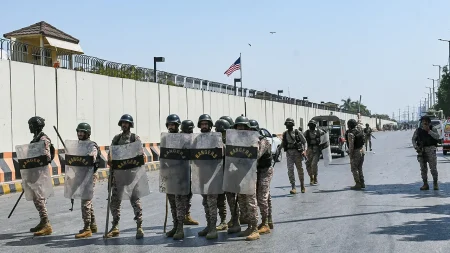
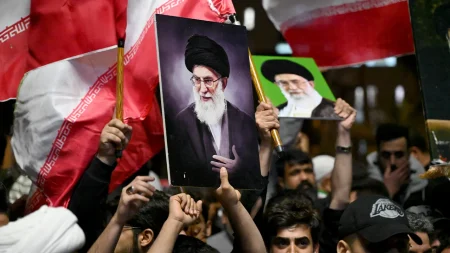
The current unrest in Iran represents one of the most significant challenges to the Islamic Republic since its founding in 1979. What began as protests against specific government policies has evolved into a broader movement questioning the legitimacy of the entire political system. The Iranian government’s harsh response has included mass arrests, violent suppression of public demonstrations, and the use of military force against civilians. This approach has drawn widespread international condemnation but has thus far failed to quell the protests entirely. The potential involvement of Kurdish separatist groups adds yet another layer of complexity to an already multifaceted crisis and could potentially serve as justification for even more severe crackdown measures by Iranian authorities.
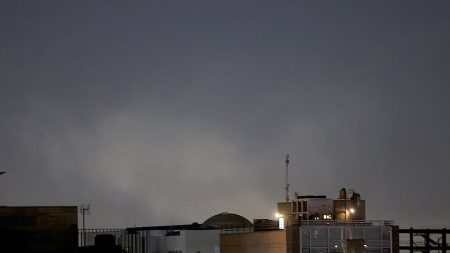
In a development potentially related to these escalating tensions, Iran temporarily closed its airspace to most flights on Wednesday, according to data from flight-tracking website Flightradar24. The closure lasted approximately two hours, though Iranian authorities did not provide an official explanation for this action. Such measures often indicate heightened security concerns or military operations, further suggesting that the situation within Iran remains highly volatile. As regional powers like Turkey and Iraq find themselves drawn into Iran’s internal struggles, and with the specter of foreign militant involvement growing, the international community faces increasing pressure to develop a coherent response that addresses both the immediate humanitarian crisis and the longer-term implications for regional stability. The coming days and weeks will be crucial in determining whether Iran’s domestic unrest remains contained or evolves into a broader regional conflict with unpredictable consequences.