





Iran’s Unrest Intensifies: Armed Protesters Clash with Security Forces
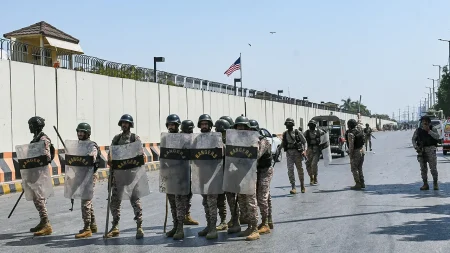
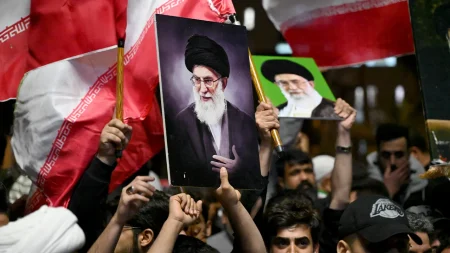
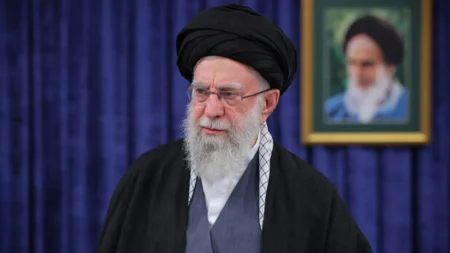
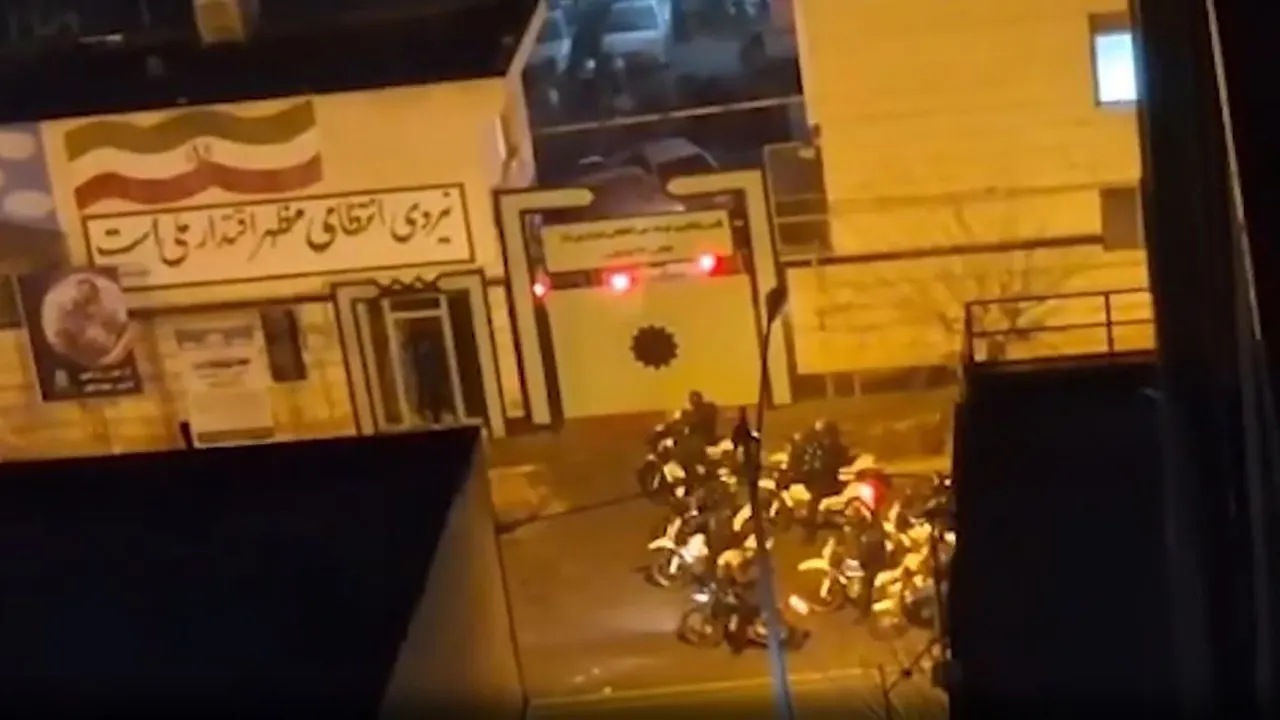
In a significant escalation of tensions in Iran, armed protesters clashed with security forces in Tehran’s Tehranpars neighborhood on Friday, marking a violent turn in the anti-regime demonstrations that have now entered their third week. Cellphone footage shared with Fox News Digital captured repeated gunfire echoing through the streets as Iran’s State Security Forces engaged with what officials termed “rebellious youth.” The dramatic scenes showed civilians running for cover amid shouts of “Death to Khamenei!” “Death to the dictator!” “Shame on you!” and “We are all together!” – clear indicators of the protesters’ growing boldness in directly challenging the supreme leadership of the Islamic Republic. This confrontation represents a critical moment in what has become one of the most significant challenges to the Iranian regime in recent years.
The human toll of these protests continues to mount at an alarming rate, with the Human Rights Activists News Agency in Iran reporting that by Friday – just 13 days into the demonstrations – 65 people had been killed, including children, while 2,311 had been arrested. In response to the spreading unrest, Iranian authorities have implemented a sweeping internet blackout, effectively cutting the country off from outside communication and observation. This digital isolation comes alongside increasingly severe threats of punishment from government officials, tactics that human rights organizations recognize as familiar methods the regime employs when preparing for harsher crackdowns. Despite these measures, the protests have shown remarkable resilience, expanding to 190 cities across Iran according to the National Council of Resistance in Iran, suggesting the movement has developed a momentum that may be difficult for authorities to contain.
The uprising has gained significant attention from dissident political figures both within and outside Iran. Maryam Rajavi, a prominent opposition leader, praised the demonstrators’ courage in a statement, saying, “By defending the demonstrators, the rebellious youths did not allow the flames of the uprising to be extinguished. They have shown their determination to triumph over the regime.” This sentiment reflects growing confidence among opposition groups that the current wave of protests might represent a genuine threat to the stability of the Islamic Republic, which has weathered numerous periods of unrest since its establishment in 1979. What distinguishes the current situation is both the geographic spread of demonstrations and the apparent willingness of protesters to directly confront security forces despite the known risks of detention, injury, or death.
International reactions to the unrest have been swift, particularly from the United States. Speaking at a news conference in Washington, D.C., President Donald Trump acknowledged the unprecedented nature of the protests, stating, “Iran’s in big trouble. It looks to me that the people are taking over certain cities that nobody thought were really possible just a few weeks ago. We’re watching the situation very carefully.” The President also issued a warning regarding potential mass violence by the regime against protesters, promising that the U.S. would “be hitting them very hard where it hurts. And that doesn’t mean boots on the ground, but it means hitting them very, very hard where it hurts.” This tough rhetoric suggests that the international community, particularly the United States, is positioning itself to potentially take more direct action should the Iranian government escalate its crackdown on civilians.
The growing instability in Iran has already had practical implications for international connections to the country. As of Saturday, seven major airlines – Lufthansa, flydubai, Turkish Airlines, AJet, Pegasus, Qatar Airways, and Austrian Airlines – had all suspended their flights to Iran. This isolation by air represents not only a practical challenge for Iranians seeking to leave the country but also symbolizes Iran’s increasing international isolation as the crisis unfolds. The suspension of flights by regional carriers like Qatar Airways and Turkish Airlines is particularly significant, as these airlines have historically maintained service to Iran even during previous periods of tension, suggesting that the current situation is being viewed with exceptional concern by Iran’s neighbors and commercial partners.
As the protests continue to evolve, observers are carefully watching for signs of either regime concessions or a more severe crackdown. The question of who might rule if the Islamic Republic were to fail looms large in discussions among policymakers and analysts. With no clear opposition leader having emerged from the current protests, the potential for various outcomes – from regime reform to revolution or even civil conflict – remains wide open. What is becoming increasingly clear, however, is that these demonstrations represent more than a momentary expression of discontent; they reflect deep-seated frustrations with economic hardship, political repression, and social restrictions that have been building for years. Whether this moment becomes a turning point in Iran’s history or another chapter in the regime’s ability to suppress dissent will likely be determined in the coming weeks, as both the protesters and the government appear committed to their respective positions with little room for compromise visible on the horizon.