

Argentina’s Hunt for Nazi War Criminals: A Tale of Bureaucracy and Missed Opportunities
In 2023, Argentine President Javier Milei released a collection of documents that shed light on Argentina’s complex relationship with Nazi war criminals who sought refuge within its borders during and after World War II. These declassified files tell a fascinating yet troubling story of how many of Hitler’s associates managed to avoid capture and build ordinary lives in South America, despite nominal efforts to bring them to justice. The case of Martin Bormann, Hitler’s influential private secretary and head of the Nazi Party Chancellery, stands as a particularly revealing example of Argentina’s ineffective investigation processes.
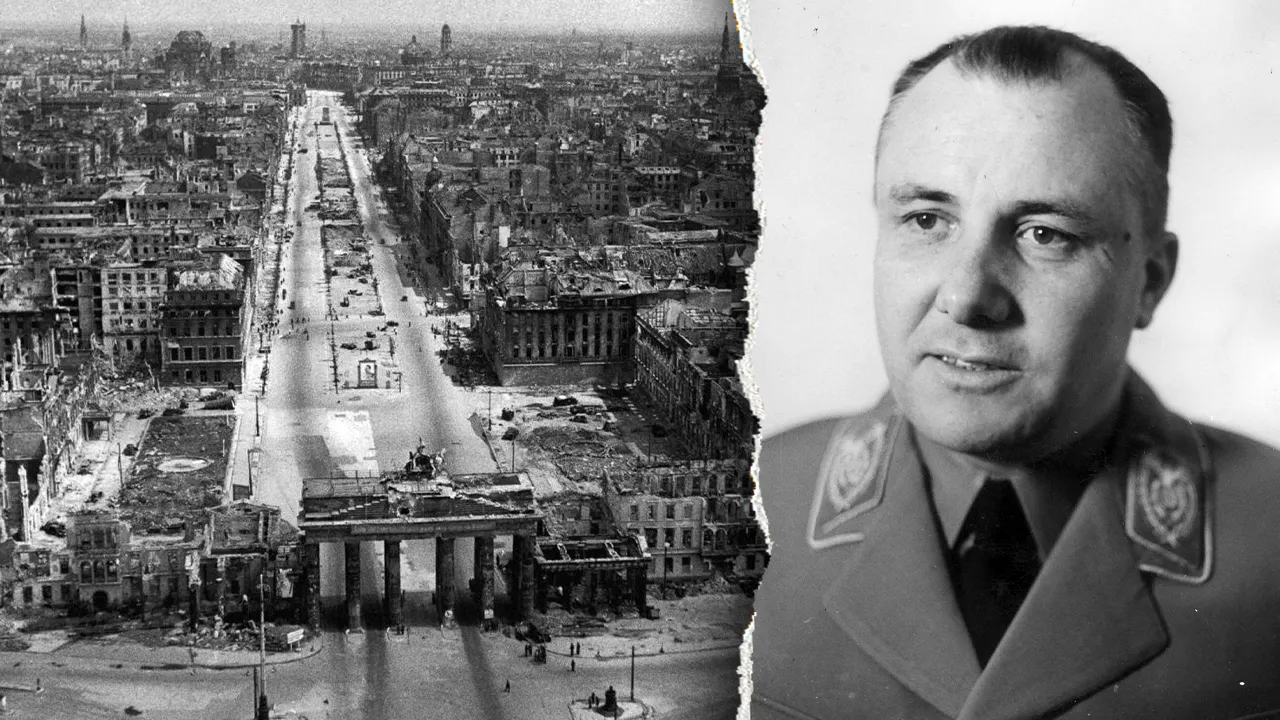
The Argentina that welcomed these fugitives was initially shaped by Juan Perón’s sympathetic government, which not only tolerated Nazi criminals but often provided them sanctuary. After Perón’s fall, the nation made halfhearted attempts to monitor these war criminals, but rarely with real conviction or success. Martin Bormann represented a rare exception where Argentine authorities actually devoted significant resources to an investigation. As Hitler’s right-hand man, Bormann wielded tremendous behind-the-scenes power in the Nazi regime, controlling access to Hitler and shaping policy through his administrative authority. He was particularly instrumental in implementing antisemitic measures and the Aryanization project. After disappearing during Berlin’s fall in May 1945, Bormann was sentenced to death in absentia at Nuremberg, but for decades, rumors persisted that he had escaped to Argentina via the “ratlines”—escape routes facilitated by Nazi sympathizers.
Unlike the indifference shown toward many Nazi fugitives, Argentina’s pursuit of Bormann appears more vigorous in the documents—yet reveals a deeply flawed approach. Rather than conducting methodical investigations, authorities primarily reacted to sensationalist press reports that claimed Bormann was hiding in Argentina. These often unsubstantiated newspaper articles triggered elaborate paper trails between various government agencies: the justice ministry, intelligence services, border control, federal police, and local authorities. The resulting investigations were disjointed, with different departments duplicating efforts, failing to communicate effectively, and moving at a bureaucratic pace that virtually guaranteed the subject would be long gone before any action could be taken. Instead of developing independent intelligence, Argentine officials found themselves perpetually responding to media speculation, creating an investigation driven more by rumor than by strategic law enforcement methods.
The documents reveal how wildly speculative some of these pursuits became. Officials took seriously claims about Bormann hiding in the jungles of Peru, Colombia, and Brazil, despite minimal evidence. One particularly telling incident occurred in 1972, when an elderly German man was detained in Colombia under suspicion of being Bormann. Despite skepticism from renowned Nazi-hunter Simon Wiesenthal, considerable resources were devoted to this mistaken identity case before the man was finally cleared and released. This pattern of chasing shadows reflected a deeper anxiety within Argentine officialdom, particularly after Israel’s Mossad agents captured Adolf Eichmann on Argentine soil in 1960—an operation that caused significant diplomatic embarrassment. Following the Eichmann incident, Argentina’s search for Bormann became less about justice and more about ensuring the country wouldn’t face international humiliation a second time.
Perhaps the most illuminating episode in Argentina’s misguided pursuit came in 1955, when authorities began investigating Walter Wilhelm Flegel as a potential Bormann match. The investigation relied on a fragile foundation of aging witness testimonies, intercepted correspondence, and local rumors. Flegel, who had entered Argentina through Chile, had a physical profile completely inconsistent with Bormann’s—he was missing an arm due to an accident, had been arrested multiple times for petty crimes, lacked education, and was of the wrong age. Nevertheless, in 1960, police arrested him in Mendoza and held him for a week before finally admitting the obvious: Flegel’s fingerprints, appearance, background, and every other identifying characteristic confirmed he was not Martin Bormann. This case exemplifies how even when Argentine authorities made arrests in their Nazi manhunts, they often targeted the wrong individuals based on flimsy evidence.
The irony of Argentina’s fruitless search for Bormann is that he never made it to South America at all. While Argentine officials continued chasing false leads and responding to newspaper speculation, Bormann’s fate had already been sealed in Berlin. Human remains discovered there in 1972 matched Bormann’s dental and cranial records, suggesting he had died during the city’s fall. Later DNA testing in the 1990s definitively confirmed these remains belonged to Hitler’s deputy, bringing final closure to Argentina’s misdirected investigation. The Bormann files stand as a historical testament to how the hunt for Nazi fugitives in South America was compromised by rumor, bureaucratic inefficiency, mistaken identities, and political considerations. While Argentina occasionally made genuine efforts to locate Nazi criminals, these efforts were undermined by disorganization and a reactive approach that prioritized responding to media reports over conducting thorough, independent investigations. The result was a system that allowed most Nazi fugitives to live out their lives in relative peace, despite their responsibility for some of history’s most heinous crimes.