

American OnlyFans Personality Kidnapped in Mexico Amid Alleged Cartel Connections
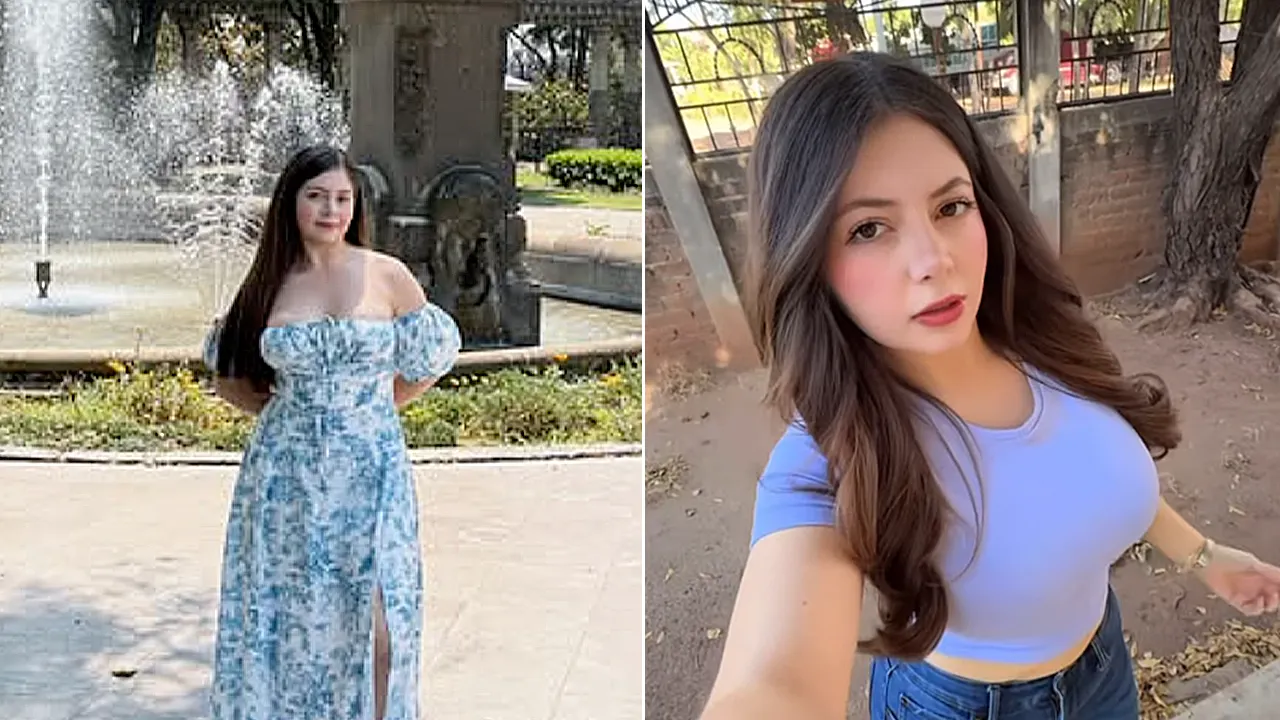
In a disturbing incident captured on vehicle cameras, 20-year-old Nicole Pardo Molina, a Mexican-American OnlyFans personality with over 180,000 Instagram followers, was abducted at gunpoint outside a shopping center in Culiacán, Sinaloa. The footage shows multiple armed men approaching Molina’s distinctive lilac Cybertruck, using tire spikes to stop her vehicle before forcibly removing her. The harrowing scene depicts Molina struggling against her attackers, desperately attempting to escape before being overpowered and forced into a white Toyota Corolla that quickly fled the scene. According to reports from Spanish outlet El Pais, at the time of her abduction, Molina was selling merchandise featuring the image of Joaquín “El Chapo” Guzmán, the notorious cartel leader, potentially connecting this incident to the complex and dangerous world of Mexican cartel rivalries.
The circumstances surrounding Molina’s kidnapping point to possible cartel involvement, as she resided in an area reportedly controlled by a rival faction of the Sinaloa Cartel. This geographic detail has led authorities to suspect the kidnapping may be linked to ongoing territorial disputes between competing cartel groups. “According to initial investigations, three armed men in a stolen white vehicle threw tire spikes at the SUV the victim was traveling in, intercepted it, and then forced the victim into the car,” officials stated. The Attorney General’s Office of the State of Sinaloa has acknowledged her disappearance and opened a missing persons case, explicitly noting that “her safety may be at risk, as she could be a victim of a crime.” The distinctive lilac Cybertruck that Molina drove made her instantly recognizable throughout Culiacán, potentially making her an easier target in a region where visibility can sometimes be dangerous.
Molina’s life straddled two worlds – born and raised in the United States with her parents residing in Phoenix, Arizona, she frequently traveled between her American hometown and Culiacán, Mexico. According to El Pais, following the COVID-19 pandemic, Molina chose to leave school in the U.S. to pursue business opportunities in Mexico, a decision that eventually led to her significant social media following and online presence. While there were no confirmed criminal connections prior to her abduction, the circumstances of her kidnapping – particularly that she was allegedly selling merchandise featuring El Chapo’s image in territory controlled by a rival faction – suggests potential entanglement, whether intentional or not, with cartel dynamics. Her dual nationality and cross-border lifestyle reflect the complex interconnections between American and Mexican cultures, especially in border states like Arizona, where many families maintain strong ties to both countries.
The disturbing nature of Molina’s abduction highlights the escalating violence facing women and social media personalities in cartel-controlled regions of Mexico. In 2025 alone, hundreds of women were kidnapped or disappeared in the state of Sinaloa according to official figures, representing a troubling pattern of gender-based violence in areas with strong cartel presence. Increasingly, social media influencers and content creators have become targets of cartel violence, particularly when their content appears to promote or reference specific cartel factions. In a tragic example earlier in 2025, influencer Valeria Marquez was murdered during a TikTok livestream, underscoring the deadly risks that can accompany online visibility in regions where cartels maintain strict control over their public image and territorial claims. The intersection of social media fame and cartel territories creates a particularly dangerous environment for young content creators.
For Americans with connections to Mexico, especially those with family ties to regions with significant cartel presence, Molina’s abduction serves as a stark reminder of the ongoing security concerns in certain areas. U.S. officials have increasingly warned travelers about the risks of violent crime in popular Mexican destinations. The case also illustrates the complex criminal landscape in Sinaloa, home to one of Mexico’s most powerful drug trafficking organizations, which has experienced internal fracturing following the capture and imprisonment of El Chapo Guzmán. The power vacuum created by his removal has led to intensified conflicts between rival factions, with civilians and those perceived to have allegiances to specific groups often caught in the crossfire. For content creators and influencers operating in these regions, even seemingly innocent business activities can potentially be interpreted as taking sides in these dangerous territorial disputes.
As Mexican authorities continue their search for Molina, her case has drawn attention to the broader diplomatic efforts between the United States and Mexico to address cartel violence. Recent agreements between the two countries include plans for Mexico to extradite 26 top cartel leaders to the United States, signaling increased cooperation in combating transnational criminal organizations. However, for individuals like Molina and their families, these larger diplomatic initiatives provide little immediate comfort. Her abduction represents not just a personal tragedy but reflects the broader humanitarian crisis created by cartel violence in regions like Sinaloa. The incident also highlights how social media fame, which can seem disconnected from physical reality, can sometimes intersect dangerously with real-world criminal enterprises, particularly for young creators who may not fully appreciate the complex and dangerous territorial dynamics in which they operate. As authorities continue their search, Molina’s family and followers can only hope for her safe return from a situation that tragically exemplifies the dangers faced by many in cartel-controlled territories.