





Trump’s Controversial Visit to Davos Sparks Violent Protests Across Switzerland
In the days leading up to President Trump’s scheduled appearance at the World Economic Forum in Davos, Switzerland, tensions have escalated dramatically across the Alpine nation. Violent protests erupted in several Swiss cities, with demonstrators burning American flags and clashing with riot police in scenes of urban unrest unusual for the typically peaceful country. The demonstrations highlight the polarizing nature of Trump’s presence at one of the world’s most prestigious economic gatherings, where he is expected to deliver a speech to assembled global leaders and business executives. This visit comes at a particularly sensitive time, as Trump has recently intensified his controversial push to acquire Greenland for U.S. national security purposes, a move that has strained relations with European allies and raised concerns about American foreign policy intentions.
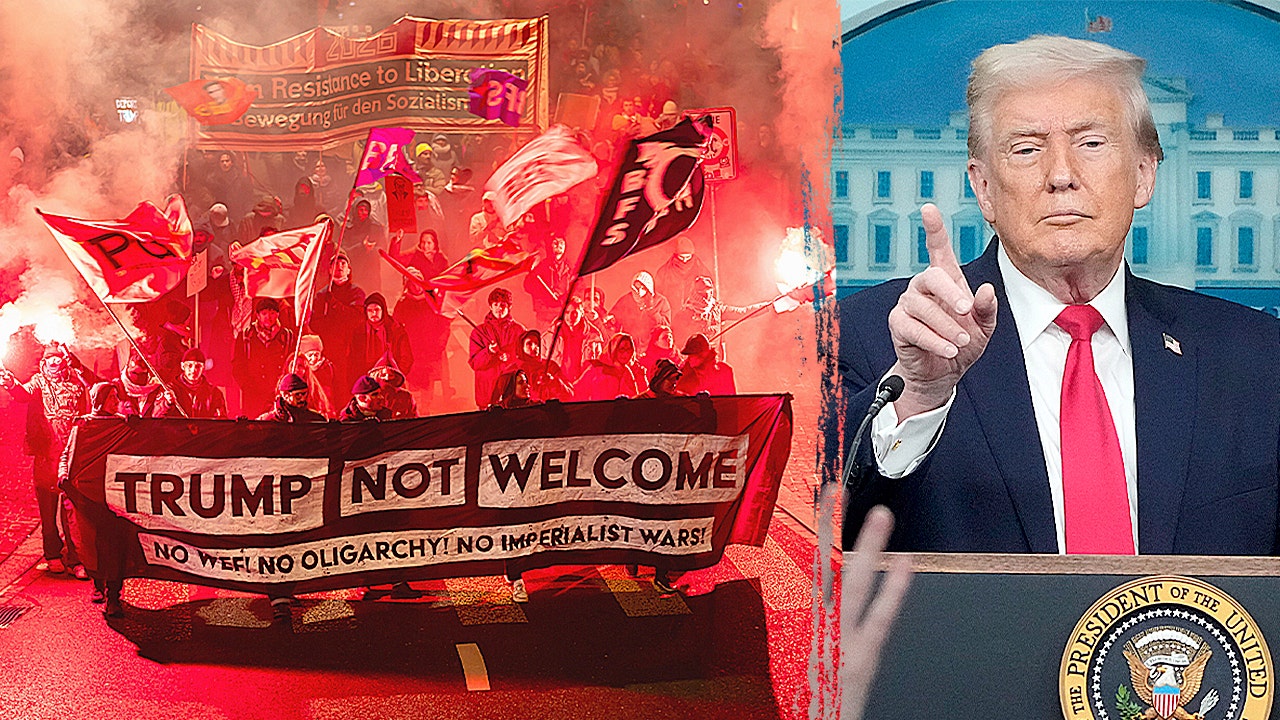
The annual World Economic Forum in Davos represents a confluence of global power and influence, bringing together heads of state, corporate CEOs, banking executives, and policy architects to discuss pressing issues of international trade, security challenges, and geopolitical developments. Against this backdrop of elite policy discussions, approximately 300 protesters marched through the streets of Davos on January 19th, chanting slogans and carrying banners declaring “Trump not welcome.” The demonstrators voiced their opposition not only to Trump’s appearance but to the forum itself, accusing Swiss authorities of legitimizing what they characterized as authoritarian and plutocratic politics by hosting the American president. The contrast between the exclusive, invitation-only discussions happening behind closed doors and the passionate public demonstrations in the streets underscores the growing divide between global decision-makers and segments of the population who feel excluded from these consequential conversations.
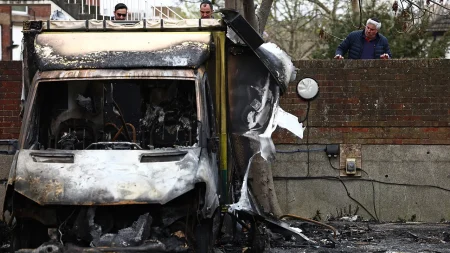
The protests took a violent turn as masked demonstrators set American flags ablaze while others damaged property throughout the city. According to local media reports, tensions escalated when Swiss police attempted to disperse the crowds, leading to confrontations where officers in full riot gear deployed water cannons, chemical irritants, and rubber bullets against protesters. Swiss outlet Swissinfo reported that law enforcement became targets of fireworks, while “paint bags were thrown at facades and shop windows were smashed” at a prominent intersection of Bahnhofstrasse and Uraniastrasse. The police statement noted that while two officers were struck by stones during the melee, they fortunately escaped injury. The full extent of property damage remains undetermined, but the violent nature of these demonstrations represents an unusual disruption in a country known for its stability and orderly civic life.
The unrest was not limited to Davos alone, as similar protests materialized in other Swiss cities. In the capital city of Bern, police intervention resulted in the demonstration being disbanded as authorities sealed off the city center to prevent further disturbances. Zurich saw thousands marching through the streets on Sunday night, with protesters carrying signs with messages like “Put the Trumpster in the dumpster,” clearly expressing their disapproval of the American president. Adding to the visual protests, activists from the Swiss NGO Campax projected a cartoon image of Trump onto a ski slope near Davos, labeling him the “Spirit of plutocracy.” This creative form of demonstration underscored the protesters’ view that Trump embodies the concentration of wealth and power that many critics associate with the Davos forum itself – an annual gathering often criticized for being an exclusive club of the global elite making decisions that affect billions of ordinary citizens worldwide.
The backdrop for these tensions extends beyond Trump’s mere appearance at the forum, as his recent statements regarding Greenland have intensified international concerns. Trump doubled down on his desire to acquire the autonomous Danish territory, declining to rule out military options and insisting on its strategic importance. In a social media post just before the summit, Trump declared: “As I expressed to everyone, very plainly, Greenland is imperative for National and World Security. There can be no going back — on that, everyone agrees. The United States of America is the most powerful country anywhere on the globe, by far.” This assertive stance has not only prompted protests in Greenland itself, where residents have expressed their opposition to American acquisition with statements like “We are not interested in being Americans,” but has also contributed to the atmosphere of apprehension surrounding Trump’s arrival in Switzerland. Further inflaming tensions, the U.S. Treasury Secretary defended the position by arguing that “Greenland needs US for defense because Europeans project weakness,” a statement likely to further strain already tense transatlantic relations.
As the World Economic Forum convenes, these dramatic protests serve as a visible reminder of the deep divisions in global politics and the controversial nature of Trump’s foreign policy approach. Trade tensions are expected to dominate the formal discussions at the summit, alongside conversations about the ongoing war in Ukraine and wider global security concerns. However, the scenes of burning American flags and riot police confronting protesters in the streets of Swiss cities may ultimately overshadow the official agenda. The juxtaposition of exclusive policy discussions occurring behind heavily guarded doors while demonstrations rage outside perfectly encapsulates the current state of global politics – a world where the decisions of a few increasingly provoke resistance from many who feel their voices are going unheard in shaping the future of international relations. As President Trump prepares to address this gathering of global elites, the question remains whether his message will bridge these divides or further entrench the polarization evident in both the conference halls and the streets of Switzerland.