




A Community in Crisis: The Rising Tide of Antisemitism in Australia
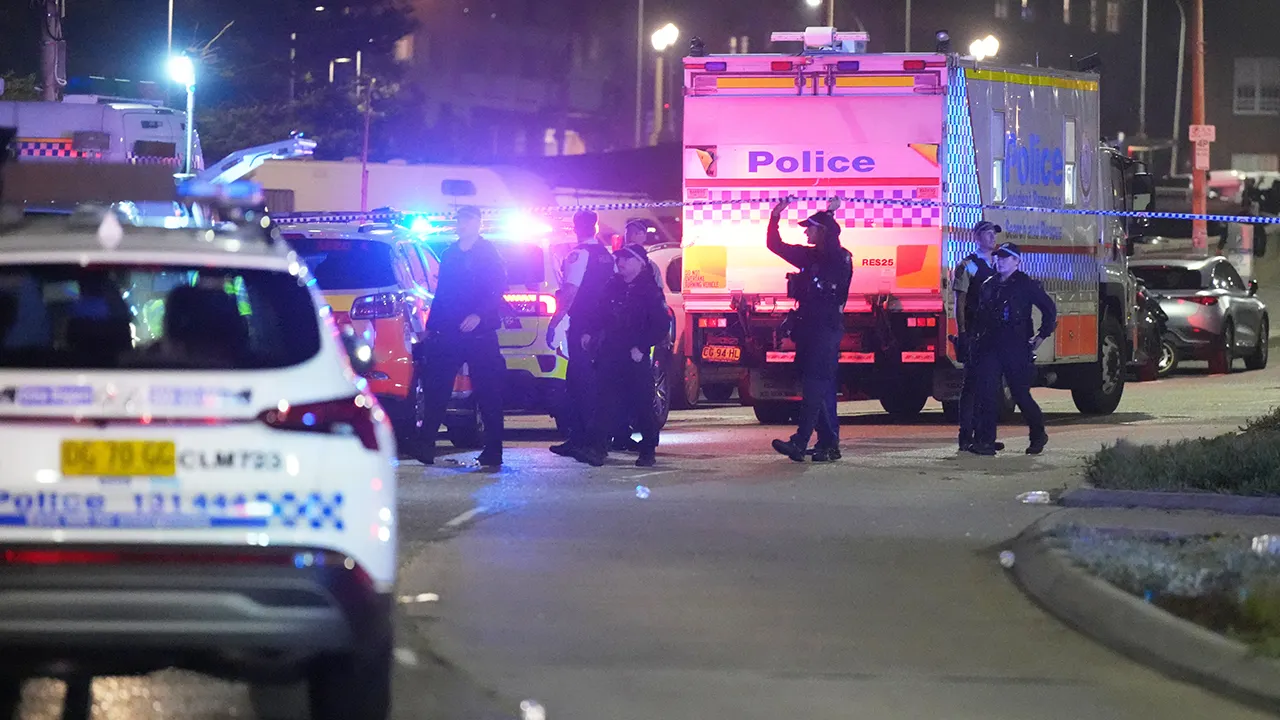
The Jewish community in Australia is reeling from a devastating terrorist attack in Sydney on the first day of Hanukkah—a tragic culmination of fears that have been mounting since October 7, 2023. This horrific event has brought into sharp focus the alarming surge in antisemitism across the country, leaving many Australian Jews questioning their safety in a nation they’ve long called home. While Prime Minister Anthony Albanese condemned the attack as “a targeted attack on Jewish Australians,” critics argue his government’s response to the growing wave of antisemitic incidents has been woefully inadequate.
Since the Hamas attack on Israel last year, Australia has witnessed a disturbing transformation in its social landscape. Avi Yemini of Rebel News Australia has documented this troubling shift, noting that within days of October 7, “mobs of Islamic extremists were already openly hunting Jews here in Australia, chanting, ‘Where’s the Jews’ outside the Sydney Opera House.” The situation has only deteriorated since then, with synagogues and childcare centers being firebombed while repeated warnings went unheeded. Yemini suggests a political calculation behind the government’s tepid response, claiming the Australian Labor government has been reluctant to take decisive action partly due to its “political reliance on Islamic community votes.” This perceived inaction has led many Australian Jews to the heartbreaking realization that Australia may no longer be the safe haven it once was, with some now considering relocation to Israel.
The Executive Council of Australian Jewry (ECAJ) has meticulously documented the surge in antisemitic incidents, reporting 1,654 anti-Jewish incidents across Australia between October 2024 and September 2025—coming on the heels of 2,062 incidents the previous year. These numbers represent a nearly five-fold increase from pre-October 7, 2023, levels. While there has been a marginal reduction from last year’s all-time high, the most serious categories of incidents—including arson attacks against synagogues, pre-schools, and other Jewish institutions—have reached unprecedented levels. The physical manifestations of this hatred have been particularly alarming, with masked individuals setting fire to Melbourne’s Adass Israel Synagogue while congregants were at prayer, causing widespread damage and injuring a worshipper. In Sydney, synagogues have been defaced with swastikas, a childcare center near a Jewish school suffered an arson attack with antisemitic graffiti left behind, and homes in Jewish communities have been vandalized with hateful messages.
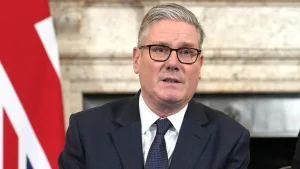
Prime Minister Albanese has found himself under increasing scrutiny for his government’s handling of the crisis. Critics point to a pattern of concerning decisions, including his government’s recognition of a Palestinian state, Labor ministers attacking the Israeli government while refusing to visit the sites of the October 7 massacres, and what some see as an equivocal approach in appointing special envoys for both Islamophobia and antisemitism. When confronted by a reporter about whether his government had taken antisemitism seriously, Albanese defended his record, stating, “Yes, we have taken it seriously. And we’ve continued to act. We’ve continued to work with Jewish community leaders. We’ve continued to take all the advice from the security agencies to put in place special measures, and we will continue to do so.” However, his initial statement following the Sydney attack drew criticism for failing to explicitly acknowledge that the deadly assault was directed at Jewish Australians, further fueling perceptions of governmental reluctance to address the specific targeting of the Jewish community.
Israeli Foreign Minister Gideon Sa’ar expressed his condolences to his Australian counterpart Penny Wong and emphasized that “security for the Jewish community in Australia will be achieved only through a real change in the public atmosphere.” Sa’ar highlighted the dangerous rhetoric that has become commonplace, arguing that calls such as “Globalize the Intifada,” “From the River to the Sea Palestine Will be Free,” and “Death to the IDF” are not protected forms of speech but rather antisemitic incitement that “inevitably lead to what we witnessed today.” His message was clear: the Australian government must take stronger action against these expressions of hatred if it hopes to prevent further violence against its Jewish citizens. This sentiment was echoed by Australian Senator Pauline Hanson, who criticized Albanese for never heeding the warning signs, including “weekly antisemitic protests across our nation, hate speech from certain religious clerics, our obnoxious universities and probable terrorist alert.” Hanson affirmed that the Jewish community in Australia deserves “the same right to live in peace and harmony as all Australians.”
The Sydney attack represents not just a tragedy for the victims and their families but a watershed moment for Australian society. It raises profound questions about the country’s commitment to protecting religious minorities and confronting extremism in all its forms. The documented escalation of antisemitic incidents—from verbal harassment to property destruction to violent attacks—reveals a troubling pattern that demands a more forceful and comprehensive response from authorities. For Australia’s Jewish community, whose history in the country stretches back generations, the sense of security they once took for granted has been shattered. The coming months will be crucial in determining whether Australia can reverse this tide of hatred and reaffirm its commitment to being a pluralistic society where all religious and ethnic communities can live without fear. For many Jewish Australians, the government’s actions—or inactions—in this critical period will influence their decision about whether to remain in the country they’ve long considered home or seek safety elsewhere.