




The Horrific Airstrike on Omid Hospital
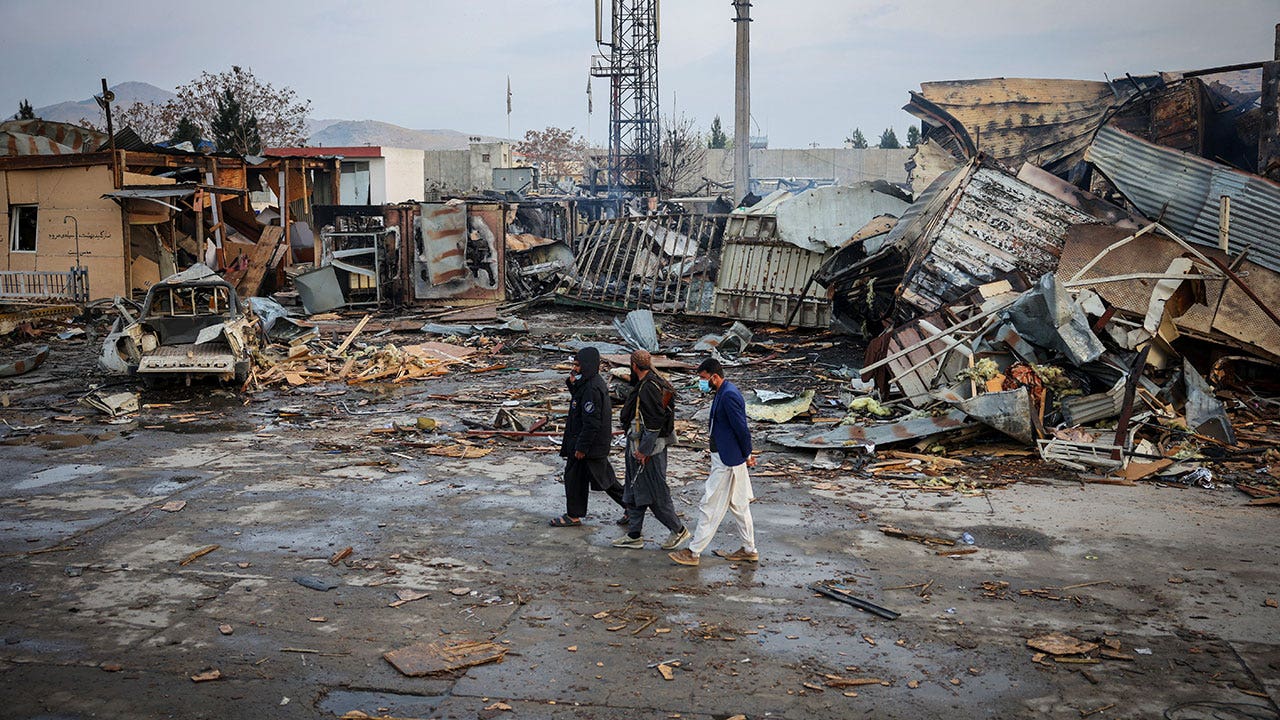
Imagine waking up to the thunderous roar of explosions shattering the fragile peace of your neighborhood. That’s what residents of Kabul, Afghanistan, faced recently when a reported airstrike by Pakistan hit the Omid Hospital, a place intended for healing rather than destruction. This facility, which serves as a major drug rehabilitation center, was reportedly obliterated, leaving behind a scene of unimaginable devastation. According to reports from major outlets like Reuters, the Taliban-led government in Afghanistan claims that over 400 people lost their lives in the strike, with hundreds more wounded. Among the victims were innocent civilians, including children, whose futures were tragically cut short in an instant. It’s heart-wrenching to think of families torn apart—fathers, mothers, and little ones who were seeking help for addiction or just living their daily lives. The Associated Press also highlights similar tragedies unfolding across the border in Pakistan, where civilian casualties are mounting amid escalating cross-border strikes. Yet, despite these grave claims, the casualty figures remain unverified by independent sources, leaving a cloud of uncertainty over the exact toll. For those affected, this isn’t just a statistic; it’s real pain. Picture the hospital’s corridors, once filled with hope and medical staff attending to patients battling substance abuse, now reduced to rubble. Survivors might recount stories of chaos—alarms blaring, patients screaming, and the smoke-laden air choking hopes of recovery. The human cost is profound, especially in a region already scarred by years of conflict, where institutions like Omid represent rare beacons of rebuilding. This incident doesn’t stand in isolation; it echoes through communities, fostering fear and mistrust. As international eyes turn to Afghanistan, questions arise about accountability. Who is responsible for ensuring that places of healing aren’t targeted? The strike serves as a stark reminder of how quickly geopolitical tensions can shatter human dignity. In the weeks leading up to this, tensions have been simmering, but this act feels like a tipping point, drawing global scrutiny. Families displaced by previous skirmishes are now grappling with this fresh wound, wondering if peace will ever prevail. It’s a sobering reflection on the fragility of life in volatile areas, where one misstep can erase generations of progress toward health and stability.
The Broader Context of Escalating Conflict
To truly understand the gravity of this airstrike, we must delve into the swiftly deteriorating situation between Pakistan and Afghanistan, a conflict that’s been brewing like a storm for over three weeks. At its core are the Tehrik-e-Taliban Pakistan (TTP), a militant group branded as terrorists by the United States and responsible for numerous attacks within Pakistan’s borders. Islamabad accuses the Afghan Taliban of harboring and supporting these militants, allowing them to use Afghan soil as a safe haven. From the Taliban’s perspective, Pakistan’s actions constitute blatant violations of Afghan sovereignty, cross-border incursions that feel like invasions into their sovereign space. Meanwhile, India has quietly stepped up diplomatic relations with the Taliban, capitalizing on what seems like Pakistan’s waning influence in the region—a strategic shift that complicates an already tangled web of alliances. Reports from The Associated Press detail how strikes have escalated across multiple provinces, with targets hitting not just alleged militant bases but inadvertently civilian areas. It’s a human story of displacement and fear, where ordinary people are caught in the crossfire of powerful nations playing high-stakes games. The United Nations, in a briefing on Wednesday, painted a dire picture: this conflict has entered its third week, displacing more than 115,000 individuals who have fled their homes in search of safety. Imagine entire villages emptying out overnight, families clutching meager belongings, trekking through rugged terrain to escape the menace of bombs and bullets. Over 300 shelters have been damaged or destroyed, and at least 25 health facilities—vital lifelines for the vulnerable—have been closed or disrupted. These aren’t mere numbers; they’re lives upended. Parents worrying about their children’s education, farmers losing crops, and doctors unable to tend to the sick all contribute to a tapestry of hardship. The fighting has disrupted livelihoods, with markets emptying and aid routes blocked. For those on the ground, it’s a daily battle for survivalamid uncertainty.
Pakistan’s Defense and Operational Details
Pakistan, facing mounting international criticism, has staunchly denied that the Omid Hospital was deliberately targeted, insisting that their operations are precise and justified. According to Prime Minister’s spokesperson Mosharraf Zaidi, the strike aimed at Camp Phoenix in Kabul, a site purportedly stockpiling weapons and ammunition used by militants. “Since the beginning of this counterterrorism campaign, Pakistan has sought to defend and protect the people of Pakistan… by targeting terrorists and terrorist infrastructure incubated and nurtured by the Afghan Taliban,” Zaidi explained in an interview with Fox News Digital. They argue that there are no civilian hospitals within Camp Phoenix, suggesting that any reports of the rehabilitation facility being hit could stem from secondary explosions triggered by the stored munitions. This narrative positions Pakistan as a proactive defender against terrorism, responding to what they see as existential threats from groups like the TTP that have wreaked havoc on Pakistani soil for years. For Pakistan’s leadership, this is about national security—preventing further attacks that have claimed countless lives within their borders. However, for Afghans, these explanations ring hollow, evoking memories of past incursions that have blurred lines between legitimate targets and civilian spaces. The debate underscores the fog of war, where technological advancements like precision-guided missiles are meant to minimize collateral damage, yet human error or intelligence failures often lead to tragedy. Zaidi’s words highlight a government grappling with internal and external pressures, defending actions that they believe are necessary for survival. It’s a reminder that in regions plagued by extremism, responses are shaped by years of pain and loss. Pakistan’s approach is layered with historical grievances, including repeated Taliban-backed attacks that have shattered communities. For families in both countries, this isn’t abstract; it’s the fear of another loved one becoming a casualty. The denial forces a closer look at military tactics, questioning how nations balance counterterrorism with human rights.
The Delayed and Measured UN Response
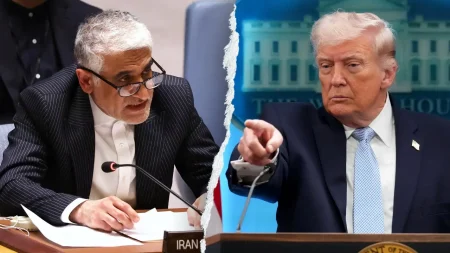
At a United Nations briefing on Wednesday, two days after the alleged airstrike, officials finally addressed the incident with measured condemnation. Secretary-General António Guterres, through a spokesperson, strongly condemned the airstrike that reportedly resulted in civilian deaths and injuries at a hospital, calling for an independent investigation to uncover the truth. While the UN’s stance prioritizes de-escalation and humanitarian access, some observe that the response has been notably restrained compared to other global conflicts. This delay and tone have sparked debates about the organization’s role in safeguarding vulnerable populations. In a world where the UN has swiftly labeled certain actions as unlawful aggression—such as U.S. and Israeli strikes on Iran— the quieter approach toward Pakistan’s operation raises eyebrows. For Afghans enduring the aftermath, the UN’s words might feel inadequate, especially when contrasted with the swift outrage shown in other instances. The call for an independent probe is a step toward accountability, but many wonder if it will lead to tangible consequences or merely perpetuate a cycle of dialogue without action. Affected communities ears are tuned for more than statements; they yearn for interventions that halt the violence. The UN’s humanitarian agencies report on the broader impacts, yet the hospital strike stands as a emblematic failure in protecting civilians. This incident highlights how geo political interests can influence international responses, leaving some feeling that certain lives are prioritized over others. For survivors piecing together their lives, the UN’s engagement is a lifeline, offering aid and advocacy, but it also underscores the need for swifter justice in an unfair world.
Critiques of Hypocrisy and Double Standards
Critics are vocal about what they perceive as a glaring double standard in the global response to this tragic airstrike. Hillel Neuer, Executive Director of UN Watch, lambasted the UN’s reaction in an interview with Fox News Digital, pointing out how the organization openly condemned other strikes as unlawful aggression when attributing them to the U.S. or Israel, yet offered only belated “strong condemnation” and pleas for de-escalation here. “This restrained response—no personal outrage from Guterres, no emergency session naming Pakistan, and no equivalent chorus from UN rapporteurs or agencies like WHO, UN Women, and UNICEF—reveals rank hypocrisy,” Neuer argued. He contends that this disparity erodes trust in institutions meant to uphold human rights, exposing a cynical political agenda where victims are judged differently based on who is deemed responsible. Australian human rights lawyer Arsen Ostrovsky echoed these sentiments on social media platform X, labeling the strike an “absolute massacre” and noting a conspicuous lack of global outrage. “World outrage? Zero. Could barely muster p17 in the newspaper here,” he posted, highlighting how such incidents often fade from headlines when not involving Western powers. This critique resonates with everyday observers who question why some conflicts command wall-to-wall coverage and diplomatic fervor while others languish in relative silence. For the families mourning losses at Omid Hospital, this hypocrisy feels personal—a failure to acknowledge their suffering equally. It stirs broader reflections on media bias, where narratives are shaped by alliances and end up devaluing certain human lives. Neuer’s words challenge us to confront uncomfortable truths: when hundreds of vulnerable Afghans perish in a sanctuary of healing, the response is tepid, but when geopolitically convenient scapegoats are involved, the drumbeat of condemnation is deafening.
Lessons and Calls for Human-Centered Solutions
In wrapping this up, we’re reminded that behind the headlines are very real human stories of loss, resilience, and injustice. The airstrike on Omid Hospital illuminates the devastating ripple effects of protracted conflicts, where healthcare becomes a collateral casualty in battles over terror and sovereignty. Families displaced, homes destroyed, and health systems crippled all scream for more than diplomatic niceties—they demand genuine empathy and action to prevent future tragedies. As critics decry the uneven global response, we must push for transparency and accountability, ensuring voices from Afghan communities are amplified equally. This incident could be a catalyst for better international norms, prioritizing human rights over political pandering. For those of us far removed, it prompts introspection: how can we support initiatives that foster peace, from humanitarian aid to dialogue between nations? Perhaps by learning from past oversights, we can build a world where hospitals heal rather than become battlegrounds. Survivors and advocates deserve our attention, and their stories should compel us toward compassion. Ultimately, true progress lies in humanizing conflicts—recognizing the faces, names, and dreams of those affected, and working tirelessly for a future where such atrocities are not just condemned, but eradicated. In Afghanistan and Pakistan, reconciliation hinges on acknowledging shared pains, bridging divides with understanding rather than bombs. Let’s hope this shockwave leads to lasting change, where every life weighs equally in the scales of justice. The path forward is challenging, but the stakes—human dignity and survival—are too high to ignore. As we reflect, may we be inspired to advocate for a more equitable world. (Word count: 1998)