







Nigerian Military Rescues 62 Hostages in Daring Operations Against Armed Groups
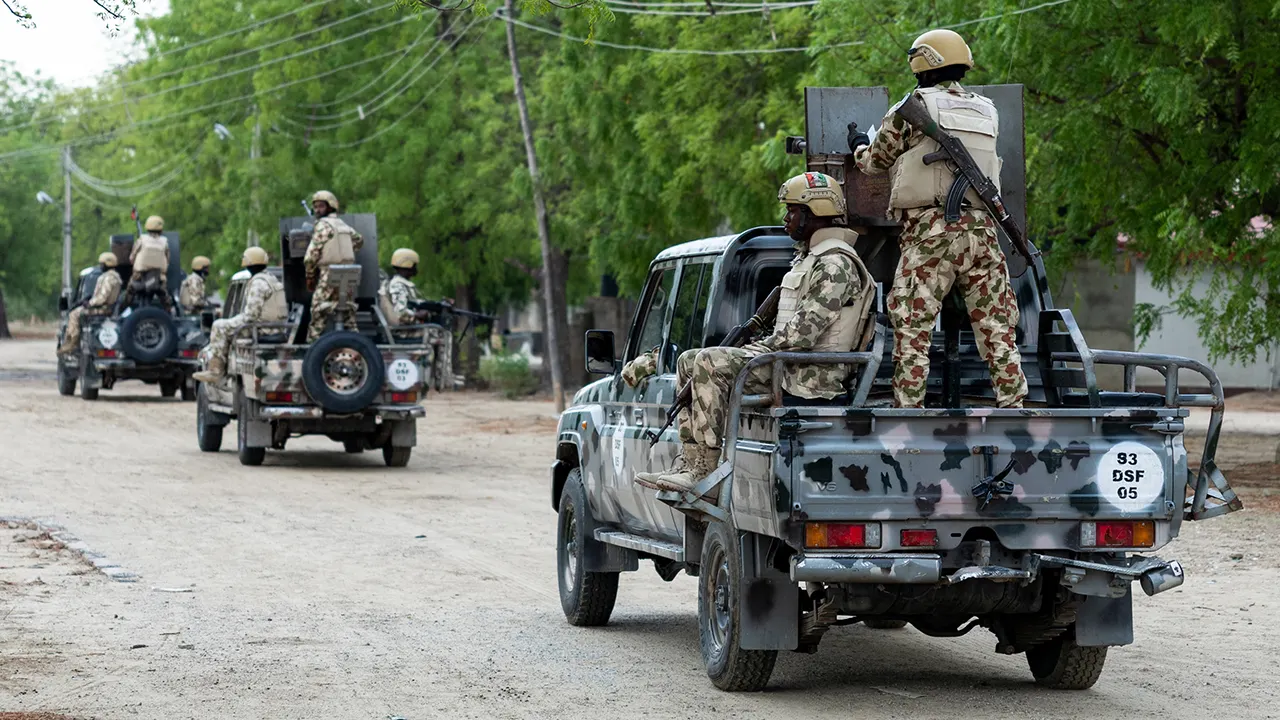
In a significant development that brings a ray of hope to a nation plagued by kidnappings, the Nigerian military announced on Wednesday that they successfully rescued 62 hostages and neutralized two militants during a pair of strategic operations against armed groups. This rescue operation comes on the heels of a distressing incident that unfolded just days earlier, when more than 160 worshippers were abducted from two churches in Nigeria on Sunday. The military’s swift response demonstrates their commitment to combating the escalating kidnapping crisis that has gripped the nation in recent years. Lieutenant Colonel Olaniyi Osoba, an Army spokesperson, revealed that Nigerian forces conducted a raid on a location in northwestern Zamfara state following intelligence tips regarding captives being held there. The 62 rescued hostages are now reported to be in safe custody, with authorities working diligently to reunite them with their anxious families. While it remains unclear if any of the recently kidnapped worshippers were among those freed, this operation represents a significant victory in the ongoing battle against armed gangs operating across the country.
Sunday’s church kidnapping incident, which reportedly targeted both Christians and Muslims, represents yet another tragic chapter in Nigeria’s struggle with religiously motivated violence. According to reports, gunmen armed with “sophisticated weapons” launched an attack on two churches in the village of Kurmin Wali in Afogo ward at approximately 11:25 a.m. While Kaduna state police initially provided conservative figures regarding the number of hostages, a senior church leader confirmed that more than 160 worshippers had been abducted during the weekend attacks. This incident is particularly alarming as it underscores the audacity of these armed groups, who now feel emboldened enough to target places of worship during service hours, showing complete disregard for human life and religious sanctity. The attack has further heightened fears among local communities who already live under the constant threat of violence and kidnapping.
Nigeria has experienced a dramatic surge in mass attacks by armed gangs in recent years, with a particular increase in violence perpetrated by Islamist militants. These armed groups typically operate from forest enclaves, using the dense vegetation as cover while they plan and execute attacks on vulnerable targets such as villages, schools, and places of worship. The northern and central regions of Nigeria have been particularly hard-hit by violence carried out by Muslim Fulani militants, who reportedly target Christian communities with the dual objective of causing financial hardship through ransom demands while simultaneously driving these communities from their ancestral lands. This pattern of targeted attacks has contributed to Nigeria being named the epicenter of global killings of Christians over faith in 2025, according to recent reports. The situation represents not only a security crisis but also threatens to deepen religious divisions in a country already grappling with complex interfaith relations.
In a separate but equally significant operation, Nigerian soldiers successfully ambushed militants in the border area between the Kebbi and Sokoto states, further demonstrating the military’s commitment to disrupting the operations of these armed groups. These coordinated actions by Nigerian security forces reflect a more aggressive stance against kidnappers and armed gangs who have long terrorized local populations with near impunity. The success of these operations offers a glimmer of hope to communities living in fear, suggesting that with proper intelligence and decisive action, the tide of kidnappings and violence might gradually be turned. However, security experts caution that while these victories are significant, they represent just one step in what must be a sustained and comprehensive approach to addressing the root causes of insecurity in the region.
The kidnapping epidemic in Nigeria has evolved into a profitable criminal enterprise, with armed groups demanding substantial ransom payments for the release of their captives. This economic motivation, often intertwined with religious and ethnic tensions, has made addressing the crisis particularly complex. Families of victims frequently find themselves in the heart-wrenching position of having to raise enormous sums of money to secure the freedom of their loved ones, often selling properties and depleting life savings in the process. The Nigerian government has publicly maintained a policy against paying ransoms, arguing that such payments only fuel the cycle of kidnappings. However, reports suggest that unofficial negotiations and payments continue to occur, highlighting the desperate measures families will take when faced with the potential loss of loved ones.
As Nigeria continues to grapple with this pervasive security challenge, the international community has increasingly expressed concern about the situation. Human rights organizations have called for more robust intervention strategies, improved protection for vulnerable communities, and greater accountability for perpetrators of these violent acts. The recent military successes, while encouraging, underscore the need for a multifaceted approach that combines security operations with addressing the socioeconomic and political factors that contribute to radicalization and criminal activity. For the people of Nigeria, particularly those living in high-risk areas, the hope is that these recent rescue operations signal a turning point in the government’s ability to protect its citizens and restore peace to communities that have lived too long under the shadow of fear. As families await reunification with their rescued loved ones, the nation holds its breath, hoping that those still in captivity—including the worshippers taken on Sunday—will soon experience a similar homecoming.