





The Long Road Home: The Final Hostages of Gaza
In a heartbreaking development in the ongoing aftermath of the October 7, 2023 attacks, Israeli authorities confirmed that remains returned on Wednesday belonged to Sudthisak Rinthalak, a Thai national who had been working in Israel to support his family back home. His identification leaves just one hostage remaining in Gaza – Israeli police officer Ran Gvili. Rinthalak’s body was taken from the orchards at Kibbutz Be’eri, one of the communities that suffered devastating losses during the Hamas attacks, and was subsequently held by Palestinian Islamic Jihad (PIJ), the second-largest terror organization in Gaza. The Israeli government has expressed its profound sorrow to the Rinthalak family and the Thai people, pledging to coordinate the return of his remains to Thailand for a proper burial in collaboration with the Thai Embassy in Israel.
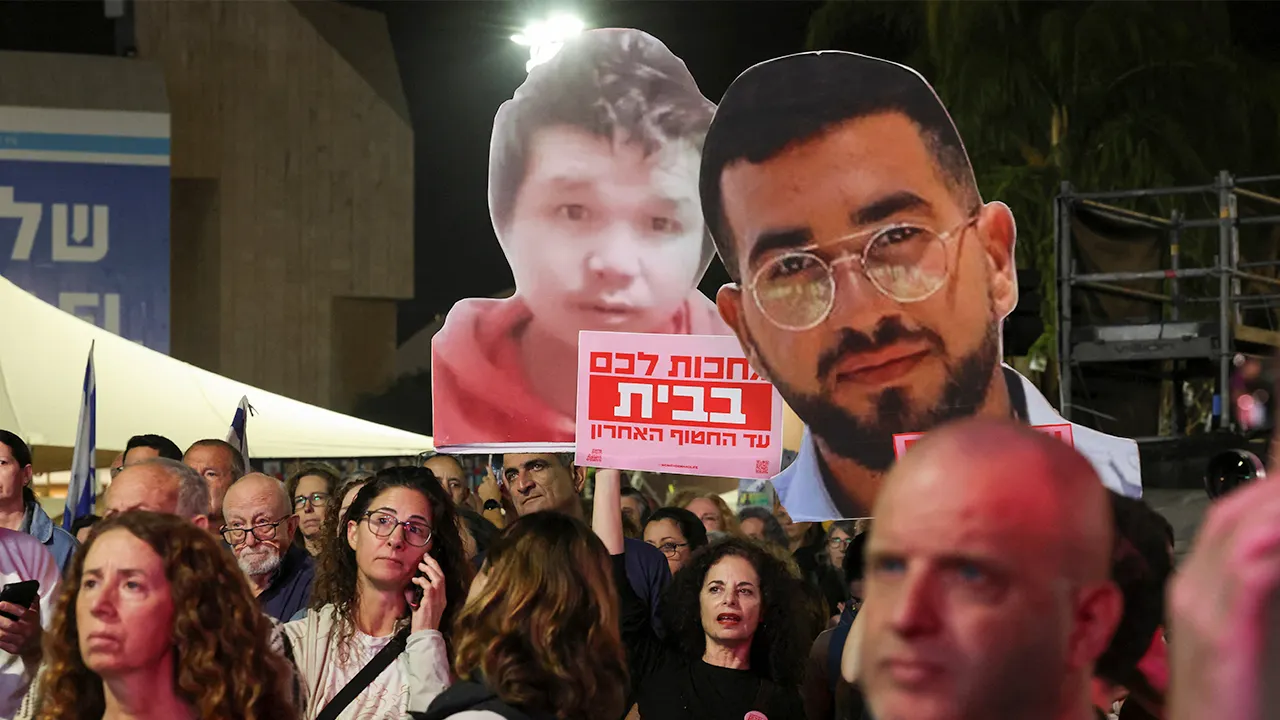
Rinthalak’s story is deeply personal – a man from Rattanawapi in Thailand’s Nong Khai province who traveled thousands of miles to create a better life for himself and his family. According to the Hostages and Missing Families Forum, he enjoyed simple pleasures like omelets with tomatoes. He leaves behind his parents and a brother who have been waiting in agonizing uncertainty since that fateful October day. His mother, On, shared with Israeli news outlet Ynet that she had spoken with her son just ten days before the attack. During their conversation, he had expressed his desire to save a bit more money before returning home to Thailand permanently. “I want my son home as soon as possible. I wait for him every day,” his mother told reporters, her words capturing the universal anguish of families separated by violence and conflict.
The confirmation of Rinthalak’s death narrows the focus to Master Sgt. Ran Gvili, now the last hostage remaining in Gaza. Gvili, an officer with Israel’s National Counter-Terrorism Unit, was killed during the October 7 attacks, and his body was taken into Gaza where it has been held for nearly a year. His mother, Talik Gvili, recently expressed her deepening fears in an emotional op-ed: “When this nightmare began, there were 255 hostages. Their families became one big family. We held each other through every unbearable moment.” Her words reflect not just personal grief but the collective trauma experienced by all the hostage families, who have formed a tight-knit community bound by shared suffering and hope.
The Israeli government’s statement emphasized their unwavering commitment to bringing Gvili home, stating they are “determined, committed, and working tirelessly” to return him for a proper Jewish burial. This dedication speaks to a broader national priority in Israel, where recovering citizens who have been taken hostage or killed in conflict has long been considered a sacred obligation. The Directorate for the Hostages and the Missing continues to coordinate these efforts, despite the immense challenges posed by the ongoing conflict in Gaza and the complex negotiations with multiple militant groups who have held hostages across the territory.
In many ways, the story of these final hostages encapsulates the human toll of the October 7 attacks and their aftermath. Rinthalak represents the often-overlooked foreign workers who were caught in the violence – individuals who came to Israel seeking economic opportunity and instead became casualties in a conflict not of their making. His mother’s simple wish to see her son again, even in death, underscores the universality of grief that transcends borders, nationalities, and the politics that divide the region. Similarly, Gvili’s mother’s fear that her son will be “left behind” after so many others have been returned speaks to the anxiety that accompanies being last – the worry that attention will fade, that momentum will be lost, and that the urgency to resolve all cases might diminish as numbers dwindle.
The gradual return of hostages, whether alive or deceased, has provided incremental closure for some families while highlighting the ongoing pain for others. From the initial 255 hostages taken during the attacks, each return has been both a victory and a reminder of those still missing. As Talik Gvili poignantly expressed, “Every time someone returned, there was a feeling that part of us came back.” This sentiment captures the solidarity among the families, who have experienced both collective relief with each homecoming and renewed determination to bring everyone back. Now, with just one hostage remaining in Gaza, the Israeli government faces the challenge of maintaining international attention and pressure to secure Gvili’s return, honoring their commitment that no one will be forgotten or abandoned in the pursuit of bringing all hostages home.