



The Irony of Tapping Out: Becky Lynch’s Playful Response to John Cena’s Final Match
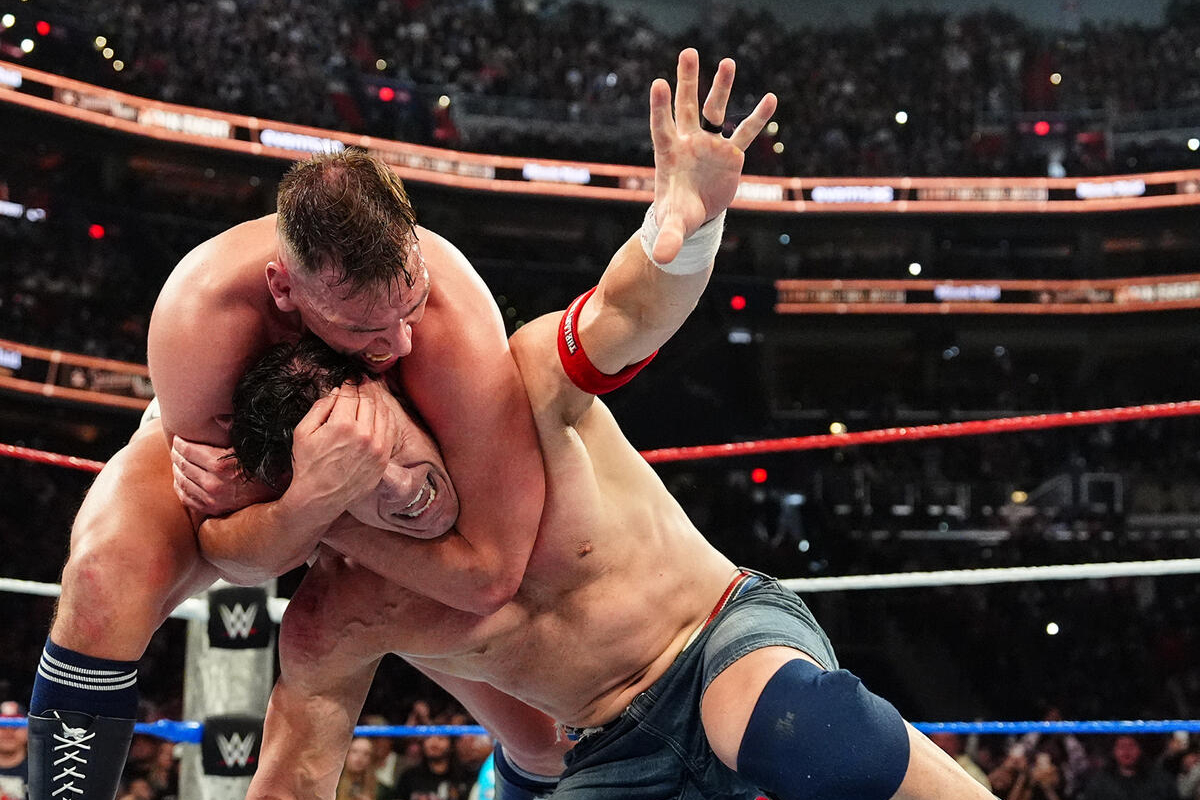
In a moment that shocked the wrestling world, WWE legend John Cena’s career ended not with a triumphant victory but with something few fans ever expected to see – Cena tapping out. The sixteen-time world champion, whose “Never Give Up” mantra defined his two-decade career, submitted to Gunther’s punishing hold during his retirement match at “Saturday Night’s Main Event.” The Washington D.C. crowd’s stunned silence quickly transformed into vocal disapproval, with some fans even directing their frustration at WWE’s chief content officer Triple H, who had entered the ring to honor Cena following the match. Amid this emotional atmosphere, one voice emerged with a lighthearted take on the situation – former WWE Women’s Intercontinental Champion Becky Lynch.
“I still can’t believe John Cena tapped,” Lynch wrote on social media platform X. “I WOULD NEVER!” The statement dripped with irony that wrestling fans immediately recognized, as Lynch herself had recently tapped out during the women’s WarGames match at Survivor Series 2025. There, she found herself trapped in AJ Lee’s signature Black Widow submission hold, ultimately surrendering to the returning superstar. Lynch’s playful jab at her own recent defeat while commenting on Cena’s submission loss showcased the self-awareness and humor that has made “The Man” one of WWE’s most engaging personalities both in and out of the ring.
The parallel between these two submission losses speaks to a fascinating narrative thread in professional wrestling – the powerful storytelling potential of showing vulnerability, even from the company’s biggest stars. Cena, whose character was built on determination and resilience, chose to end his storied career by putting over Gunther, demonstrating the wrestling tradition of veterans elevating the next generation on their way out. Similarly, Lynch’s recent submission loss to returning star AJ Lee created a compelling storyline that has driven her character’s actions in the weeks since. Following her defeat, Lynch has refused to appear on “Monday Night Raw,” demanding that current Women’s Intercontinental Champion Maxxine Dupri be stripped of the title and referee Jessika Carr face suspension.
The fan reaction to Cena’s submission loss underscores the deep emotional investment wrestling audiences have in their heroes. For two decades, Cena embodied perseverance and determination, becoming the face of WWE during one of its most transformative periods. His catchphrase “Never Give Up” wasn’t just marketing – it represented the essence of his character. To see that character finally surrender, even in his farewell match, violated an unwritten contract between the performer and his audience. The hostile reaction from fans, including apparent anger directed at Triple H, reflects not just disappointment in the match outcome but perhaps a deeper sadness about seeing this chapter of WWE history officially close.
While Lynch’s social media comment provided a moment of levity, it also highlights the fascinating psychology behind wrestling narratives. Both Lynch and Cena have built personas that thrive on defiance and resilience. Their rare submissions become significant plot points precisely because they run counter to their established characters. For Lynch, her recent submission loss has fueled a compelling character evolution, as she now refuses to appear on Raw without specific demands being met. This development showcases how wrestling storytelling continues beyond the confines of a single match, with characters’ actions and reactions creating narrative threads that span weeks, months, or even years.
As WWE moves forward, both of these submission moments will likely take on different meanings in the company’s history. Cena’s tap-out marks the definitive end of an era, a passing of the torch to Gunther and the current generation of WWE superstars. Lynch’s submission, meanwhile, represents another chapter in her ongoing story, potentially setting up future confrontations and character developments. What links these two moments is how they demonstrate professional wrestling’s unique ability to generate authentic emotional responses from audiences through carefully crafted storytelling. Even as Cena takes his final bow and Lynch continues her journey, both performers have reminded fans of wrestling’s fundamental power – to make us feel deeply about the triumphs and defeats of the characters we’ve come to care about.