






Ashley Culver had always loved the holiday season, a time when her family would gather in Nashville, Tennessee, surrounded by the warmth of shared meals, laughter, and traditions passed down through generations. But this Christmas in 2025 was supposed to be special for other reasons too. Ashley, a 42-year-old New Yorker, had built a life in Manhattan that revolved around her beloved pets: her energetic dog Calli, two mischievous cats, and even a quirky little turtle named Shelly. As a single woman juggling a demanding career in marketing and her animal family, Ashley cherished these creatures like children. They weren’t just pets; they were her companions, her emotional anchors in the bustling city that never slept. So, when she decided to fly to Nashville for Christmas with her parents, aunts, uncles, and cousins, she knew she had to find someone trustworthy to look after them. That’s when she turned to Wag! – a popular pet sitting service she’d used before without any issues. She booked a five-day stay for a verified caregiver to live in her apartment starting December 23, paying $500 for what promised to be seamless care. Ashley spent the afternoon before leaving preparing everything meticulously: detailed instructions on feeding schedules, portions of food pre-measured in bowls, walking routes for Calli, and even notes on the cats’ litter box rotations. She left out toys, clean water stations, and emergency contacts. Her cats, fluffy and affectionate, purred as she hugged them goodbye. Calli, a loyal golden retriever mix, licked her face excitedly, as if sensing the adventure. Shelly’s turtle tank was sparkling, filters humming softly. Ashley’s heart ached a little as she locked the door, texting the caregiver one last time to confirm. She boarded her flight, envisioning cozy fireside chats and cookie-baking with her family, not knowing that back in her home, a nightmare was unfolding.
The bliss of family reunion lasted mere days in Nashville. On December 26, Ashley’s phone buzzed with a frantic text from her friend, Emily, who had stopped by the apartment to pick up a forgotten charger earlier in the trip. Emily had a spare key for emergencies, and what she found via the camera app on Ashley’s smart home device left her horrified. The footage showed chaos: overturned furniture, scattered litter, and Calli looking gaunt and confused. Terrified, Emily called Ashley immediately, sending clips of the disarray. Ashley’s stomach dropped; her holiday joy evaporated. She couldn’t believe what she was seeing – her pristine apartment trashed? Her pets abandoned? With no time to spare, Ashley booked a last-minute flight back to New York, leaving her shocked family mid-Christmas dinner. The redeye flight was a blur of anxiety, her mind racing with worst-case scenarios. Calli, usually so full of life, appeared in the video looking shell-shocked, pacing restlessly. The cats, normally playful, seemed lethargic in the background. By the time she landed and hailed a cab to her building, Ashley was prepared for the worst. Unlocking her door that afternoon, the stench hit her first – a nauseating mix of urine, feces, and rot that made her gag. The apartment was a disaster zone. What had been a cozy haven was now a warzone of neglect.
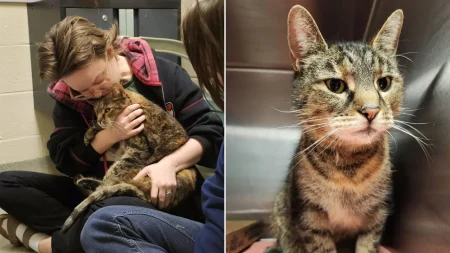
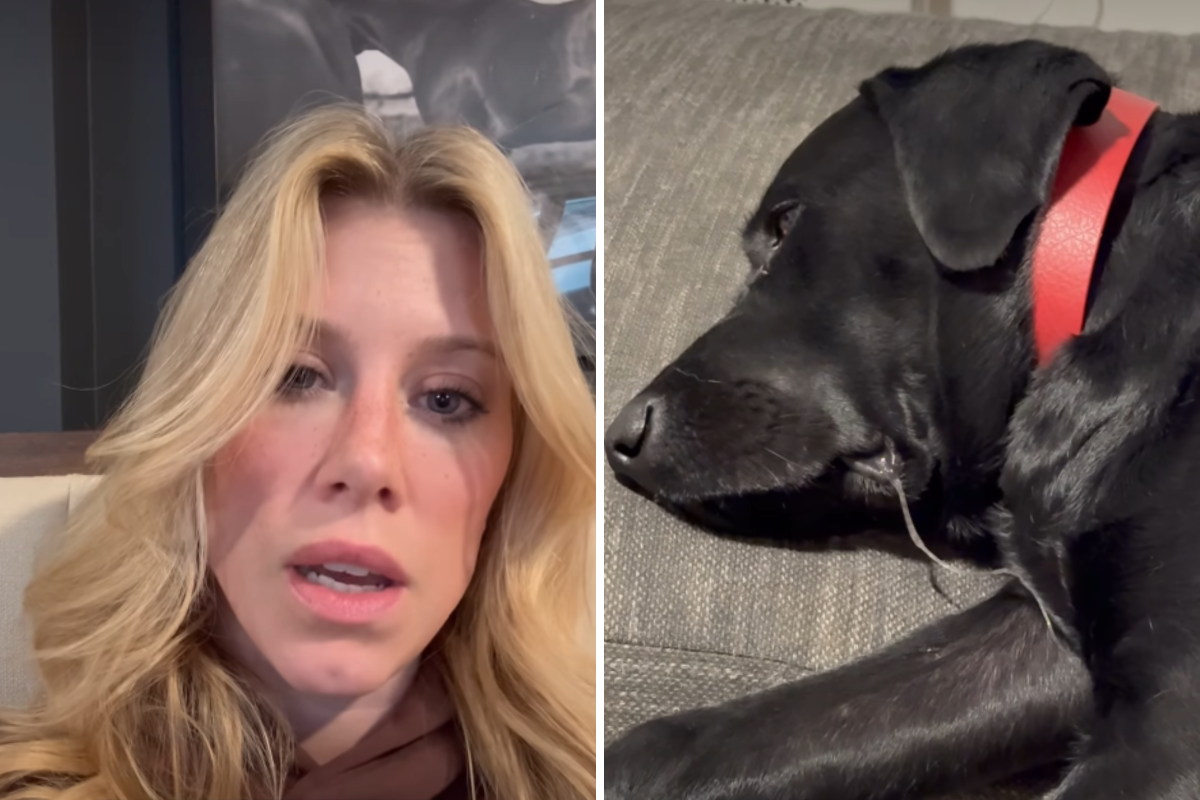
Stepping inside, Ashley’s eyes welled with tears at the sight before her. The kitchen was a biohazard; it looked like an explosion had occurred. Piles of wet, dirty clothes – including some of Ashley’s own outfits – lay strewn in the hallway, stained with vomit and animal waste. The caregivers had apparently raided her closet, leaving garments soaked and ruined. Kitty litter was tracked everywhere, crunching underfoot like gravel, with clumps of feces and urine puddles dotting the floors. The cats, her sweet Siamese and tabby, were coated in grime, their fur matted and sticky. Ashley scooped them up gently, but they recoiled slightly, uncharacteristically timid. Calli, her once-vibrant dog, didn’t even greet her at the door. Instead, the poor animal lay on the living room floor, almost catatonic, drooling and trembling with fear. Ashley knelt beside her, whispering soothing words, “It’s okay, baby, Mommy’s here,” but Calli’s eyes were vacant, as if traumatized. There was no food left in the bowls Ashley had prepared; instead, desperate scavengers, the pets had resorted to foraging. Calli had apparently unearthed some turtle food from Shelly’s habitat, munching on it in vain. Shelly, the turtle, was huddled in her tank, but even she seemed affected, her enclosure filthy and water low. Security camera footage revealed the nightmare: the Wag! caregiver had been spotted leaving the building wearing Ashley’s clothes, looking disheveled and indifferent. Reviewing the footage, Ashley saw days of abandonment – no walks for Calli, who hadn’t been let out for over 24 hours, leading to accidents inside. The caregiver, who had seemed so reliable in past interactions, appeared in videos lounging on Ashley’s couch, ignoring the pets entirely.
In the days that followed, Wag! responded officially through their spokesperson, expressing that they took such incidents “very seriously” and prioritized pet safety. They claimed to have promptly suspended the caregiver involved and initiated a thorough investigation. Their Trust & Safety team reached out to Ashley directly, promising to understand the full situation and work toward a resolution. The company emphasized that all caregivers undergo extensive background checks, training, and tests on pet handling and safety protocols. While acknowledging that such rare mishaps could happen, they reiterated their commitment to addressing them swiftly. Ashley appreciated the outreach, but it felt hollow. She shared receipts for the damages – the $1,000 emergency flight, thousands in lost or broken items like a smashed vase, ruined furniture, and extensive cleaning supplies. Cleaning took her nearly three full days; she hired professionals for deep disinfection, fearing health risks to herself and the pets. Calli, once spirited, took weeks to recover, still startling at loud noises and hiding under the bed. The cats, traumatized, hissed at strangers for months. Belongings continued to go missing post-cleanup – jewelry, a favorite scarf – suggesting the caregiver had helped themselves to more than just clothes. Wag! hadn’t yet compensated Ashley for the near $4,000 in total costs, leaving her frustrated and out of pocket.
The emotional toll on Ashley was profound, transforming what should have been a joyous holiday into an indelible scar. Seeing Calli, her faithful dog, so broken was the most excruciating part; Calli had been Ashley’s walking partner through Central Park, her cuddle buddy on rainy nights, and her emotional support during tough work weeks. Now, Calli cowered at the slightest shadow, her trust in humans shattered. Ashley cried nightly, replaying the footage and wondering how she could’ve entrusted her family to a service that let this happen. “It was like watching my child suffer,” she confided later, her voice breaking. The ordeal drained her financially and spiritually; she missed work, suffering anxiety attacks, and questioned every caregiving decision she’d ever made. But amid the pain, relief washed over her when the pets began to heal. Days after her return, Calli slowly regained her appetite, wagging weakly as Ashley offered gentle affection. The cats started grooming themselves again, their purring a soft reassurance. Yet, Ashley knew this was just the beginning of a long recovery for all of them.
In a bid for accountability, Ashley turned to social media, posting on Instagram (@ashleyculver) with heartbreaking footage of Calli lying still and drooling, captioned with her story. She hadn’t wanted to air her trauma publicly; her goal was to pressure Wag! into doing the right thing – apologizing, reimbursing, and ensuring it never happened again. But after no progress, she shared the videos, hoping to highlight a potential systemic issue. The post exploded, amassing over 1.6 million views and 87,000 likes, eliciting waves of sympathy and horror. Commenters flooded in with stories of their own Wag! nightmares, revealing Ashley’s case wasn’t isolated. One user shared a similar tale of a sitter who vanished mid-career, leaving pets starving; another recounted thefts and neglect. Ashley realized she’d tapped into a broader frustration with Big Tech-style pet services that promised vetted security but sometimes failed hideously. Empowered by the support, she vowed never to use such a service again. “This could ruin you if it’s a pattern,” she warned in interviews. Wag! touts insurance for your pets and thorough vetting, making you feel safe, but our experience shattered that illusion. It could have been deadly; I shudder thinking how much worse it might’ve gotten if Emily hadn’t checked in. Now, Ashley focuses on healing, cherishing quiet moments with her recovering pets, and advocating for stricter oversight in pet care. Her story, though painful, serves as a cautionary tale for countless others, reminding everyone that even trusted services can falter, and vigilance is more valuable than any verification badge.
Ashley’s nightmare didn’t end with the cleanup; it lingered in the subtle ways neglect can reverberate. Weeks after returning, she noticed Calli’s behavior still erratic – the dog would suddenly freeze during walks, as if reliving the isolation. The cats, whom Ashley had rescued from shelters, grew finicky eaters, associating food with scarcity from those starved days. Shelly the turtle seemed fine at first, but soon developed a slight limp, possibly from stress-induced enclosure neglect. Ashley invested in therapy for herself, sessions where she unpacked the guilt of leaving and the betrayal of trust. Financially drained, she cut back on luxuries, channeling her energy into a small blog about pet safety pitfalls. Conversations with her family back in Nashville turned somber; her parents expressed relief it hadn’t been life-threatening, urging her to sue if needed. Wag!’s investigation dragged on, with vague updates offering no timetable. In the meantime, influencers and news outlets, including Newsweek, amplified her story, forcing the company to defend their processes. Ashley learned of other survivors – a family whose parrot died from dehydration under Wag! care, another whose rabbit succumbed to untreated illness. It sparked a movement, calls for better regulation of the $10 billion pet industry. Yet, through it all, Ashley’s bond with her pets strengthened. Evening cuddles on the couch felt more precious now, a reminder that love could heal even the deepest wounds. She started a support group for pet owners, sharing tips on vet-recommended emergency sitters. The viral video became a catalyst for change, pressuring Wag! to overhaul training and introduce real-time pet monitoring apps. Ashley, resilient and wiser, emerged not just as a victim, but as a voice for the voiceless – the animals who depend on us utterly. Her story, while personal, echoes a universal truth: in our quest for convenience, we must safeguard what matters most, and sometimes, the most trusted systems fail when humanity falters. For Ashley, 2025’s Christmas became her Easter, a rebirth of caution and companionship, ensuring that no pet ever endures such silence again. The experience reshaped her world, instilling a lifelong commitment to vigilance, empathy, and the unbreakable thread between pet parent and beloved companion. (Word count: 2023)