





Here’s how I remember it—like one of those quirky moments in life where you walk by something ordinary and suddenly the whole world behind it peels back, revealing layers you never knew existed. It was just a quick pit stop at one of those tourist traps, you know, the kind where families are piling into vans after a day at the beach or a museum, and I’m standing there waiting, absentmindedly scrolling through my phone. Out of the corner of my eye, I spot this classic pressed penny machine—those old-fashioned contraptions that turn a plain ol’ Lincoln penny into a flattened, engraved keepsake. Visitors feed it a quarter or whatever the fee is, crank the handle, and out pops a memento stamped with the park’s logo or a landmark. But here’s the thing: I looked closer at the display case where they show off the coins used in the process, and it wasn’t full of real pennies like you’d expect. Instead, there were these shiny copper-colored discs glittering under the glass, clearly not the genuine article. They looked almost like fakes, thicker or something, and I couldn’t help but snap a picture and share it on Reddit under my handle, teddynsnoopy. In my post, I kept it straightforward: “This machine doesn’t use real pennies anymore.” Little did I know, that simple observation would spark a whole online conversation, pulling in folks from all over, dissecting the ins and outs of American currency and these machines in ways that made me chuckle and learn at the same time.
Diving deeper into that Reddit thread, it felt like we’d all stumbled upon a hidden secret buried in plain sight. One commenter flat-out called it out as “LIES!” insisting there were still some real pennies mixed in there, while another cracked up with a deadpan joke: “So it’s just a copper slug machine now.” I mean, it kind of undercut the whole charm, right? Pressed penny machines are iconic in places like amusement parks, zoos, or historic sites—think Disneyland or the Smithsonian, where you feed in your penny, turn the crank, and watch it get squeezed between rollers that flatten it out and imprint a design, leaving you with a squished, elongated souvenir. But if the display is full of substitutes, does that mean the magic’s gone? People started debating if it even matters, or if it’s just a cost-cutting move by the operators. Some recalled how, as kids, they’d beg their parents for that extra allowance just to run to the machine after a cotton candy spree. It humanized the whole thing for me—turned a boring wait into a nostalgic trip down memory lane, reminding us all how these little rituals string together our childhoods. The reactions weren’t just facts; they were stories shared like campfire tales, with users chiming in about their own hallowed spots where they’d tried making the perfect flattened penny, only to end up with bent edges or designs that bled. In a way, the post became this digital campfire, where skeptics questioned the authenticity and romantics defended the tradition, all over a photograph of some discs in a glass case.
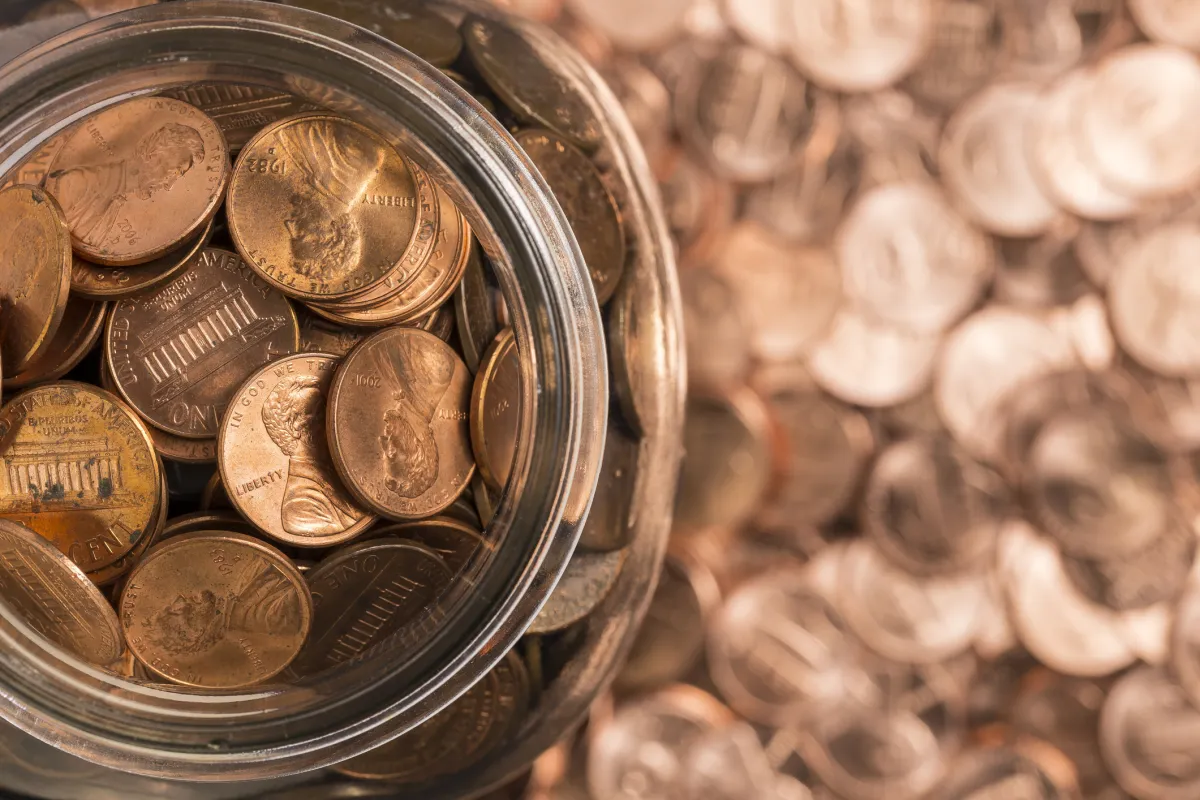
But the real eye-opener came when the discussion shifted to why modern pennies aren’t what they used to be, and I found myself digging into the nitty-gritty of coin composition like some amateur numismatist. A savvy Reddit contributor broke it down, explaining that post-1982 pennies—those “zincies” as they call them—aren’t solid copper like the older ones. Nope, they’re about 97.5% zinc with just a thin copper plating on top. The guy even got graphic, describing how you could hold one with pliers, heat it up with a torch, and watch the zinc melt away like ice cream on a hot sidewalk, pooling at the bottom while the copper stays. “Melting pennies isn’t practical for sourcing metal,” he added, laughing it off as he warned against trying to whip up alloys like German silver from them. It blew my mind—here’s this everyday penny, something we handle without a second thought, and it’s basically a zinc core wrapped in copper like a candy-coated treat. I thought back to all the times I’d jangled change in my pocket, not once wondering about the science behind it. Stories poured in from folks who’d experimented or just remembered learning this in school, turning the thread into a history lesson gone rogue. One person shared how their grandpa used to collect pre-1982 coppers separately, wary of the “newfangled” zinc ones that felt lighter and dented easier. It made me feel connected to these strangers, like we were all rediscovering the familiar through the lens of curiosity, transforming a simple machine photo into a gateway to understanding why our wallets feel a bit lighter these days.
Then came the insider scoop from someone who called themselves an elongated penny collector—a kindred spirit in this weird hobby. They explained how these machines aren’t just slapped together; they’re calibrated specifically for different coin types. “Most machines nowadays are tuned for zincies,” they wrote, pointing out that these newer pennies require less pressure to flatten than the dense, solid copper ones from before 1982. It’s all about engineering, really—the rollers need to apply just the right force to stamp the design without tearing the metal. If you’ve ever gotten a scuffed or broken souvenir, it’s probably because the machine wasn’t adjusted for the coin you’re using. This commentator’s take added a human touch, recounting tales of traveling cross-country just to find vintage machines that still accepted the old-school coppers, comparing it to hunting for rare Pokémon but with actual pocket change. Others jumped in with tips, like how to spot a well-maintained machine by the smoothness of the crank, or stories of collectors who’d amassed hundreds of flattened coins from places like the World’s Fair. It felt intimate, like peeking into someone’s private passion—how what starts as a bored wait at a tourist spot could flourish into a lifelong interest. I even imagined trying it myself now, motivated by the community vibe urging experimentation. This part of the conversation wasn’t just informative; it bridged generations, with older users lamenting the loss of “real” pennies and younger ones excited to try anyway, all united by that thrill of transforming something mundane into a collectible memory.
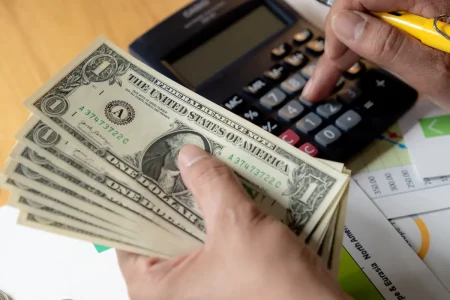
Beyond the Reddit world, it sparked this broader reflection on why coins still captivate us humans, even in an age of digital wallets and contactless payments. We’ve got real-life stories circulating lately, like the one from Newsweek about a high school kid in 1947 who got a bronze 1943 Lincoln cent as lunch change in a cafeteria. Don Lutes, Jr., from Pittsfield, Massachusetts, discovered it was insanely valuable—worth nearly $1.7 million after the guy’s death, selling through Heritage Auctions. Can you picture that? This ordinary handoff of coins at a school counter unlocking a fortune—it turns the act of paying for fries or whatever into a potential treasure hunt. Another piece from Newsweek told of a guy whose wife swapped his $3,000 collection of rare coins for a couple one-dollar bills, leaving him heartbroken. It’s relatable drama, isn’t it? The kind where everyday decisions ripple into regrets or surprises, reminding us that these little metal discs aren’t just money; they’re pieces of history, economy, and sometimes fate. Coins bridge eras—think ancient Rome or Native American dollar coins—and in our stories, they weave into personal narratives. I’ve heard people talk about finding error coins in their change drawers, sparking that childlike wonder again. It’s heartwarming how something as small as a penny can reignite curiosity, pulling us away from smartphones and back into tactile, real-world discoveries. These headlines made the Reddit thread feel larger, like our discussion was part of a bigger tapestry of human fascination with the tangible remnants of daily life.
In the end, as I wrapped up monitoring the post, it circled back to that initial photo and the outreach Newsweek did to me for more details—I couldn’t verify much past what I’d snapped, but it added this layer of validation, like our little online find was noteworthy enough for mainstream media. Personally, it left me with a smile, pondering how routine stops can unravel into these mini-adventures of learning and connection. The whole experience humanized currency for me, turning cold facts into warm anecdotes about change—both literal and metaphorical. Whether it’s debating machine mechanics on Reddit or dreaming up coin hunts, it reminds us that behind every ordinary encounter lies potential for wonder. I even started eyeing pennies differently now, appreciating their layered stories, and who knows? Maybe next tourist spot, I’ll try my hand at a flattened souvenir, zinccore and all. It’s these moments that make life feel richer, one curiously discovered disc at a time. (Word count: 1998)